US Hepatitis B Birth Dose Vaccination Declines, Affecting 400,000 Infants Annually.

Hepatitis B Vaccination Rates for Newborns in the US
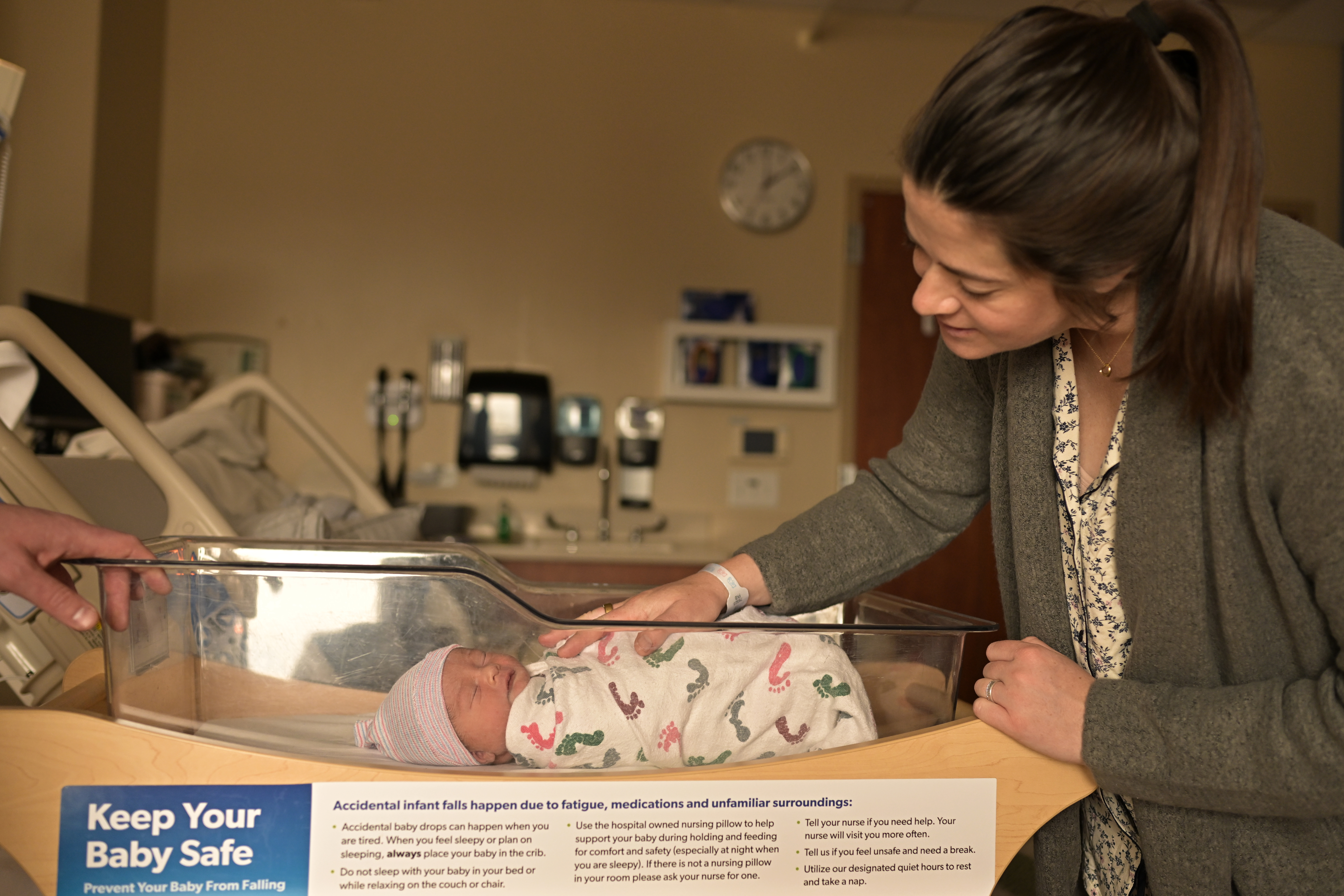
According to Vox - Загальний: A recent study reveals that the rate of newborns receiving the hepatitis B vaccine in the United States has dropped from 83.5% to 73.2% over the past two years. This decline means roughly 400,000 infants annually are now missing or delaying this critical immunization. This trend coincides with updated guidance from the Centers for Disease Control and Prevention (CDC), which may have influenced vaccination practices.
The universal hepatitis B vaccination program for newborns began in the US in 1991, becoming a cornerstone of pediatric public health. Prior to this, in the 1980s, only pregnant women deemed high-risk were screened for hepatitis B. The shift to universal vaccination has been highly successful, reducing annual infections to fewer than 20 cases. The study, published on February 23, tracked data from 12.4 million newborns across all 50 states.
Trends and Concerns
However, the research shows the proportion of newborns receiving the hepatitis B vaccine fell to 73.2% between 2023 and mid-2025, raising significant concern among medical experts. As Joshua Rothman noted,
“This is roughly equivalent to the entire population of Minneapolis forgoing or postponing vaccination each year.”The CDC's revised immunization schedule, which reduced the number of universally recommended vaccines from 17 to 11, is also considered a potential factor in the declining rate.
These findings highlight the urgent need to investigate the causes behind this drop and to develop strategies for improving vaccination coverage among US newborns. The hepatitis B vaccine is a safe and effective defense against a virus that can cause lifelong liver disease.
The situation underscores a critical public health issue, as lower vaccination rates could lead to a resurgence of hepatitis B infections with serious long-term consequences for children's health. Further research and tailored public health messaging are essential to identify barriers to vaccination and implement effective solutions.
Read also
- Ukraine's Smoking Population Drops Sharply: From 8.5 Million to 6.6 Million in Six Years
- Swimming Banned at Lake in Lviv Region After Infection Outbreak Hospitalizes 20 Children
- Mykolaiv Region Faces 20% Doctor Shortage: Officials Offer State Housing as Incentive
- U.S. Mortality Hits Historic Low as Life Expectancy Climbs to 79 Years
- G1 Geomagnetic Storm Forecast for July 4: What It Means for Ukraine
- What Science Reveals About Ultra-Processed Foods and Their Health Impact