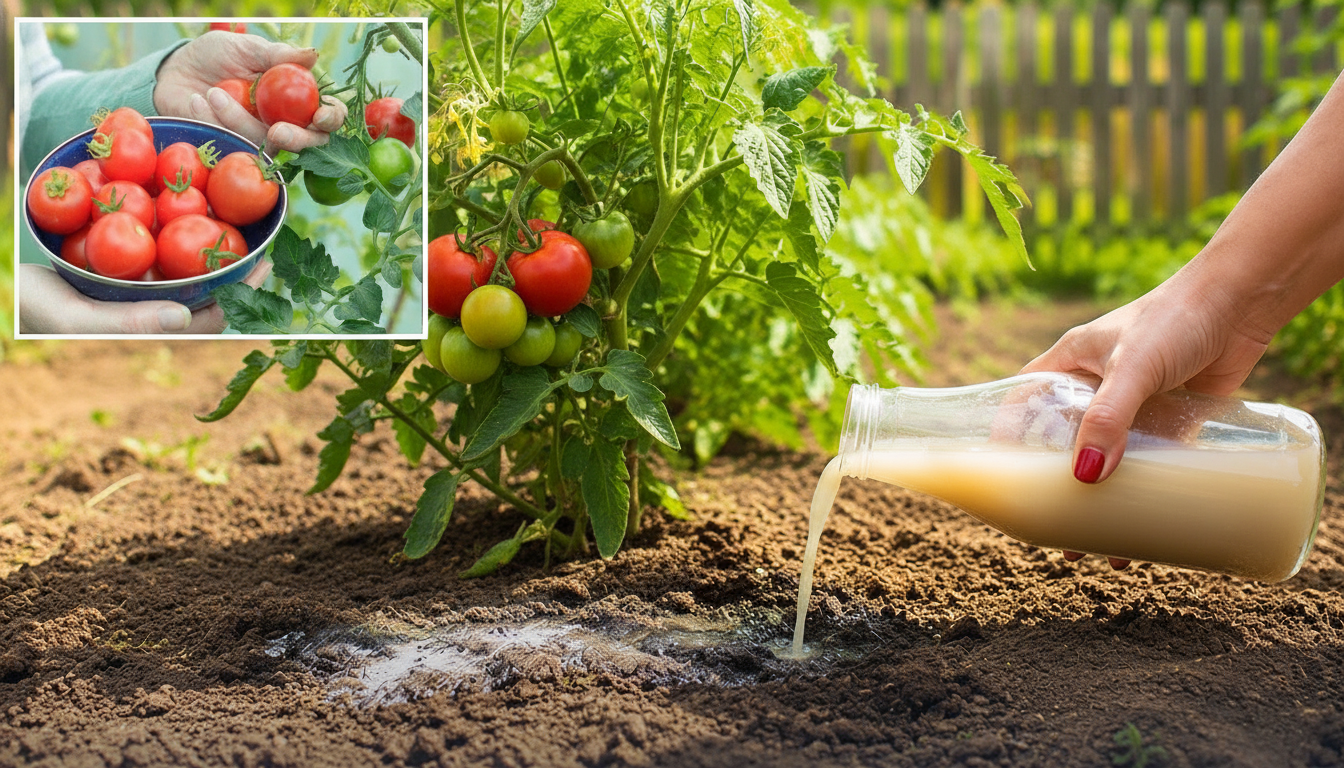








Why Liming Your Soil is Essential for a Bountiful Harvest.
The Core Principle and Significance of Soil Liming
According to TSN.ua: Liming is a vital agricultural practice for improving vegetable cultivation. This technique involves adding calcium-based materials to the earth to reduce its acidity. Beyond simply adjusting pH, liming enhances soil structure and fosters the growth of beneficial microorganisms crucial for plant health. Acidic soil can block a plant's ability to absorb nutrients, which severely stunts growth and reduces crop yields. For many gardeners and farmers, managing soil pH is the first step toward a successful season.
Lime Types and Application Guidelines
The most commonly used material for liming is carbonate lime. Dolomitic lime, which contains magnesium, is another popular option as it positively influences plant development. It is critical to spread the lime evenly and mix it thoroughly into the top layer of soil. This ensures the most effective reduction in acidity and improvement of the soil's physical properties.
When liming, avoid combining the process with applications of nitrogen fertilizers or fresh manure. Such a combination can undermine the benefits of liming and harm the overall soil condition. The timing for liming can vary depending on specific circumstances, but adhering to recommended practices is key to achieving optimal results. This careful management prevents chemical reactions that can release harmful gases or lock away nutrients.
Soil liming is a critically important stage in agriculture, as it can substantially influence both the quality and quantity of the harvest.
Therefore, soil liming is a necessary procedure for creating the optimal conditions for growing vegetables, promoting their health and productivity.
Given climate change and rising demands for food security, proper soil resource management, including liming, is becoming increasingly relevant. Implementing modern agronomic practices can help farmers boost the efficiency of vegetable cultivation and ensure stable results in a changing environment.
Read also
- 30-Minute Baked Zucchini: A Simple Recipe from 'Kitchen with Marina'
- A Quick and Easy Salad with Young Cabbage and Radishes for Lunch or Dinner
- Jeans That Secretly Make You Look Heavier: Who Should Avoid Them
- 30-Minute Potato Dough Pies with Cheese and Ham: A Quick Family Recipe
- Chocolate Cake with Nut Caramel: A Recipe from Gospodynka
- 5 Key Composting Mistakes That Prevent Decomposition and How to Fix Them