Shipping Costs for Russian Oil Skyrocket to Over $60 per Ton.

Soaring Freight Rates for Russian Crude
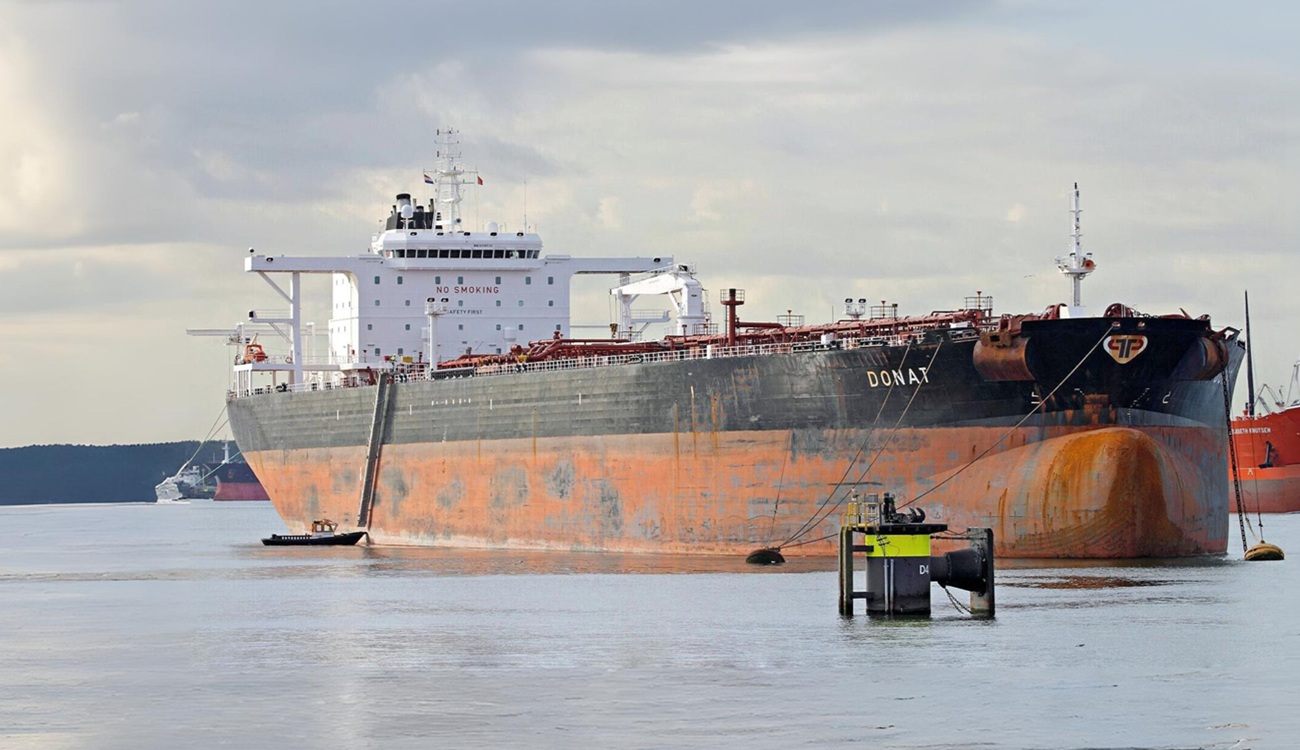
According to UATV: The cost of shipping Russia's Urals crude oil has surged dramatically, exceeding $60 per ton by late 2025. This sharp increase is a direct consequence of US and EU sanctions, which have removed hundreds of tankers from the market, creating a shortage of approximately 53 vessels. At the start of 2024, transport costs were around $25 per ton, but new logistical challenges have fundamentally altered the landscape. This price spike reflects the mounting pressure on Russia's ability to export its oil profitably.
Market Adaptation and International Response
In response to the vessel shortage, major shipowners have begun deploying new tankers to transport Russian oil to Asia. Greek companies, including Dynacom Tankers Management and Capital Ship Management, have directed new vessels to meet the rising demand. For instance:
- The tanker Argeus I delivered roughly 700,000 barrels of Urals crude to the Indian port of Paradip.
- Other vessels, Rodos and Samothraki, completed similar voyages to China and India in December and January.
This situation has raised significant concerns among European nations. The President of Ukraine has emphasized that European countries must intercept tankers belonging to Russia's shadow fleet. Furthermore, the French Navy detained a Russian shadow fleet oil tanker in the Mediterranean Sea, as confirmed by President Emmanuel Macron.
These events underscore the critical importance of controlling the shipment of Russian oil under international sanctions and increasing market pressure. - The President of Ukraine
The rising transport costs and the proactive moves by Greek shipowners highlight attempts to adapt to the new market realities created by sanctions. Concurrently, actions by European countries to restrain Russia's shadow fleet demonstrate a continued policy of limiting Russia's access to international oil markets. This evolving dynamic is likely to have a substantial impact on the global energy market and on relations between nations that support or oppose the sanctions regime.
Read also
- Russia’s Oil and Gas Revenue Set to Surge by 60%—Here’s What’s Driving the Jump
- IMF Disburses $690 Million Second Tranche to Ukraine: Where the Funds Are Going
- Russia’s Budget Deficit Could Hit 7 Trillion Rubles—What Are the Default Risks?
- Expert Sets Critical Threshold: 60% of Russia's Oil Refining Capacity Must Be Destroyed
- Russia Faces Imminent Fuel Crisis: Why Refinery Recovery Is Nearly Impossible, Expert Warns
- Economist identifies Russia's point of no return: why it can never reclaim its place among global economic leaders