MIT Researchers Uncover How Ocean Bacteria Break Down Bioplastics.

Massachusetts Institute of Technology Study
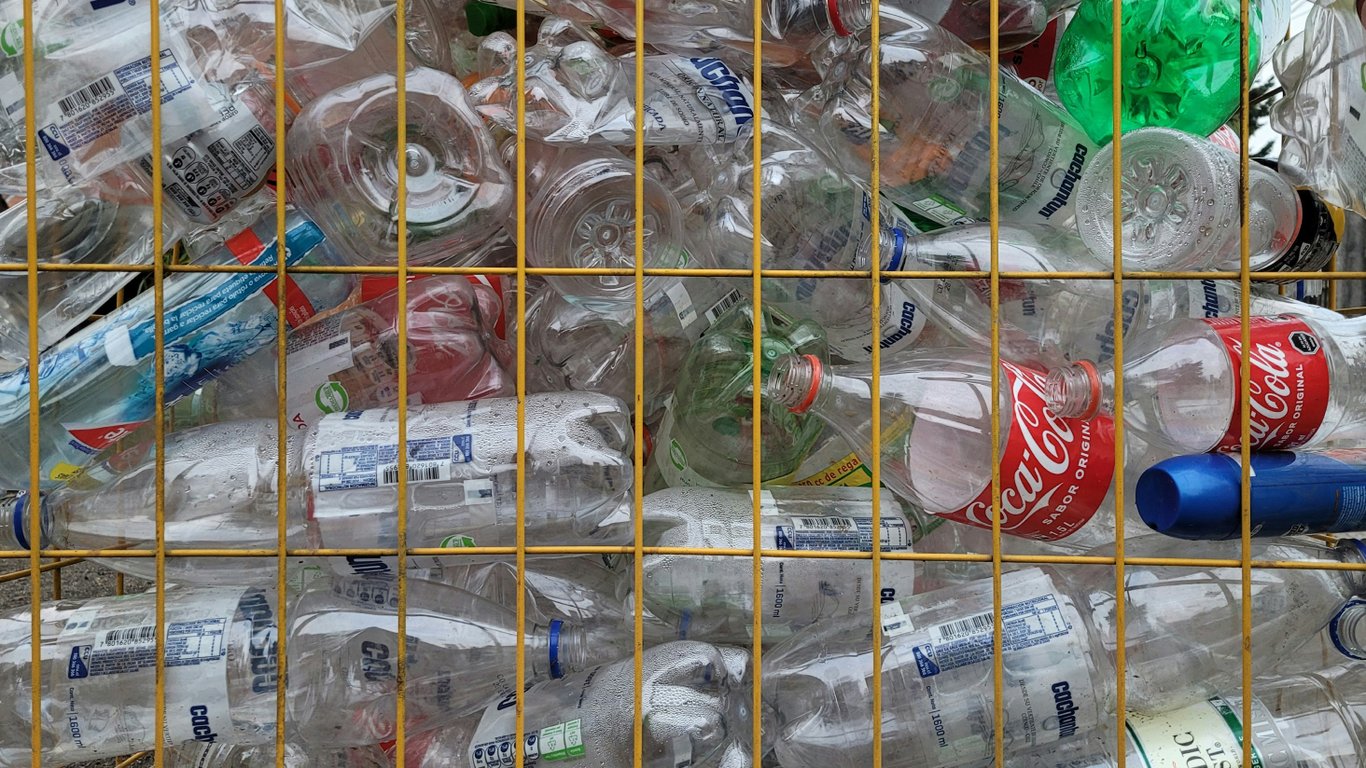
According to Novyny.live: A team from the Massachusetts Institute of Technology has discovered how multiple species of ocean bacteria work together to degrade biodegradable plastics, specifically aromatic aliphatic copolyester (AAC). Published in the journal Environmental Science & Technology, the study examined 30 types of bacteria found living on the surface of biodegradable plastic.
One major finding revealed that the bacterium Pseudomonas pachastrellae can effectively break the polymer down into simpler components. The researchers determined that a combination of five bacterial species was the most efficient at decomposing the plastic. This discovery highlights the critical role microbial interactions play in the biodegradation process.
Why This Research Matters
The breakdown of plastic depends not only on the specific mix of microorganisms but also on the material's chemical properties. Bioplastic degradation is a complex, multi-stage process that requires further investigation. This study could open new pathways for developing more effective disposal methods for biodegradable materials and reducing their environmental footprint. As biodegradable plastics become more common across industries, identifying the right microbes to break them down could help cut ocean pollution and improve ecosystem health.
Conducted at MIT, this research carries significant environmental implications. With plastic waste remaining a pressing global issue, these findings may lay the groundwork for new recycling technologies that support sustainable development.
Read also
- Google to Build America's Largest Solar Farm: 2.5 GW Facility to Power Data Centers
- Turn Your Old Phone Into a Smart Display: Inside the New ScreenWall Web Platform
- Speed Record Set by Bombardier Global 8000: Los Angeles to Farnborough in Just 8 Hours 46 Minutes
- A New Augmented Reality Platform Lets You Read and Build 3D Comics
- How Artificial Intelligence Is Unlocking Billions in Real Estate Value
- Ukraine’s Air Defense Gets a Boost: New 'Hot Dog' Drone Takes Down Over 300 Targets