Ukrainian websites received Klizma: why activists criticize popular brands.

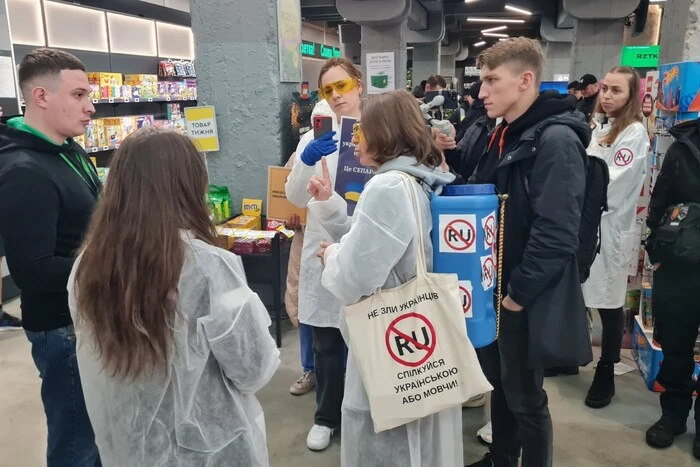
According to inkorr.com: In Ukraine, activists received 'Klizma' for websites that use the Russian language. They believe that since all Ukrainians understand Ukrainian, the Russian version of sites is unnecessary and sometimes even harmful. This opinion was expressed by Ukrainian writer and educator Larysa Nitsoia.
Yesterday, activists checked Ukrainian web resources and pointed out those that continue to use Russian. For them, 'Klizma' was introduced – a symbolic 'award' for supporting the aggressor.
'The question is, for whom is the website's Russian version? Is there anyone in Ukraine who does not understand the Ukrainian language? They might not use it, but everyone understands it', activists note.
The list of websites that received 'Klizma' includes Rozetka, Apteka 911, SushiYa, Aromacawa, Techno Yizhak, Luxoptika, and others.
'The website's Russian version is unnecessary and harmful to Ukraine. Everyone understands Ukrainian, and no one needs the Moscow language', language activists emphasize.
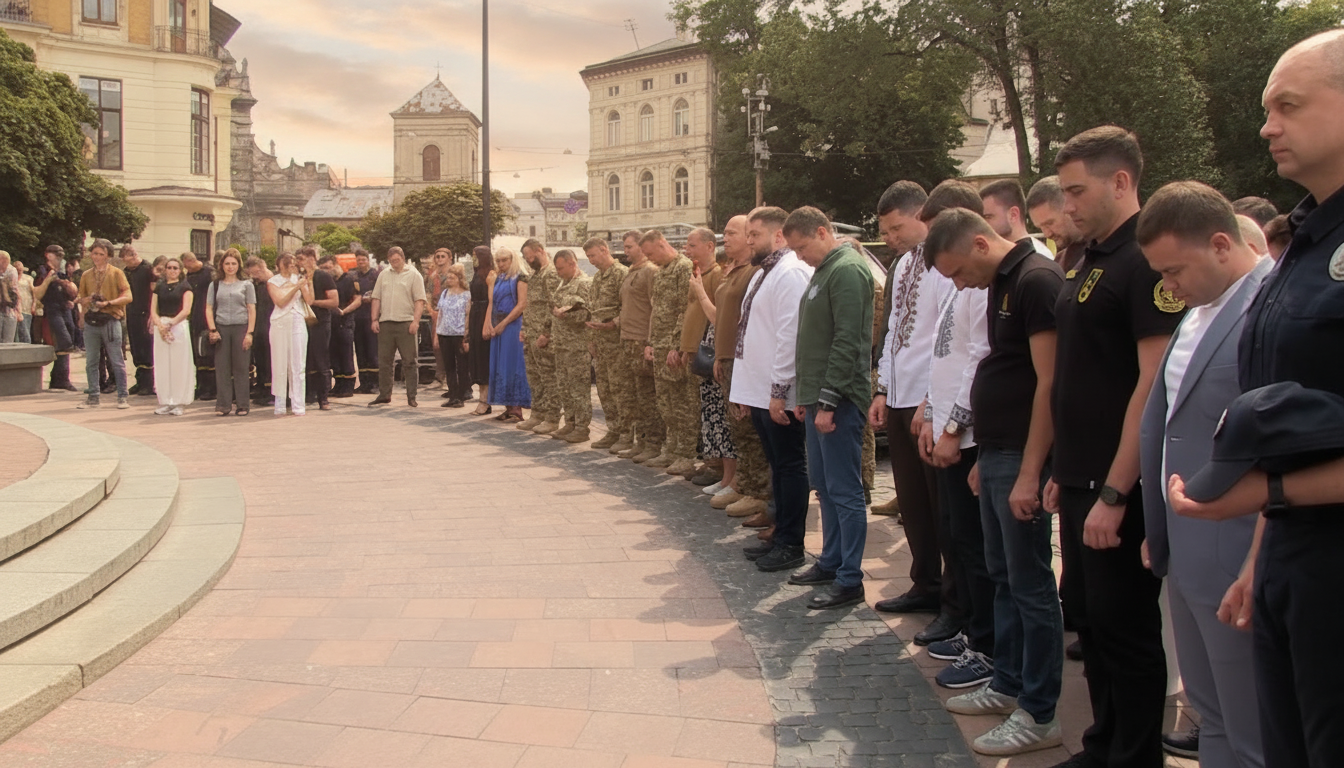
After their action, activists honored the memory of fallen defenders of Ukraine with a moment of silence.
Statistics on violations of language legislation in Ukraine
During the first three quarters of 2025, Ukrainians filed 2227 complaints about violations of language legislation, which is 27% more than last year. The most violations were found in online stores, advertising, and services. Complaints were also received regarding violations in education, culture, and medicine.
The results of the activists' actions indicate a growing sensitivity of society to the language issue in Ukraine. During checks, they emphasize the importance of supporting the Ukrainian language, especially in the context of modern aggression. Alongside activists' actions, statistics show an increase in public awareness of violations of language rights. This indicates that Ukrainians want to see their native language in all areas of everyday life.
Read also
- 501 Fallen Repatriated to Ukraine; Over 300 Died While in Captivity
- Ukraine Receives 522 Bodies in Its Largest-Ever Repatriation Operation
- Statehood Day Marked Across Ukraine with Prayer Services and Public Gatherings
- From Survival to Growth: How Education and Its People Are Reshaping Kharkiv
- 23 Children Rescued from Occupied Territories: A New Win for Ukraine’s Bring Kids Back UA Initiative
- How Adaptive CrossFit Helps a 3rd Brigade Veteran Master His Prosthetic