NATO Allies Bolster Baltic Defense as UK Expands Troop Presence in Estonia.

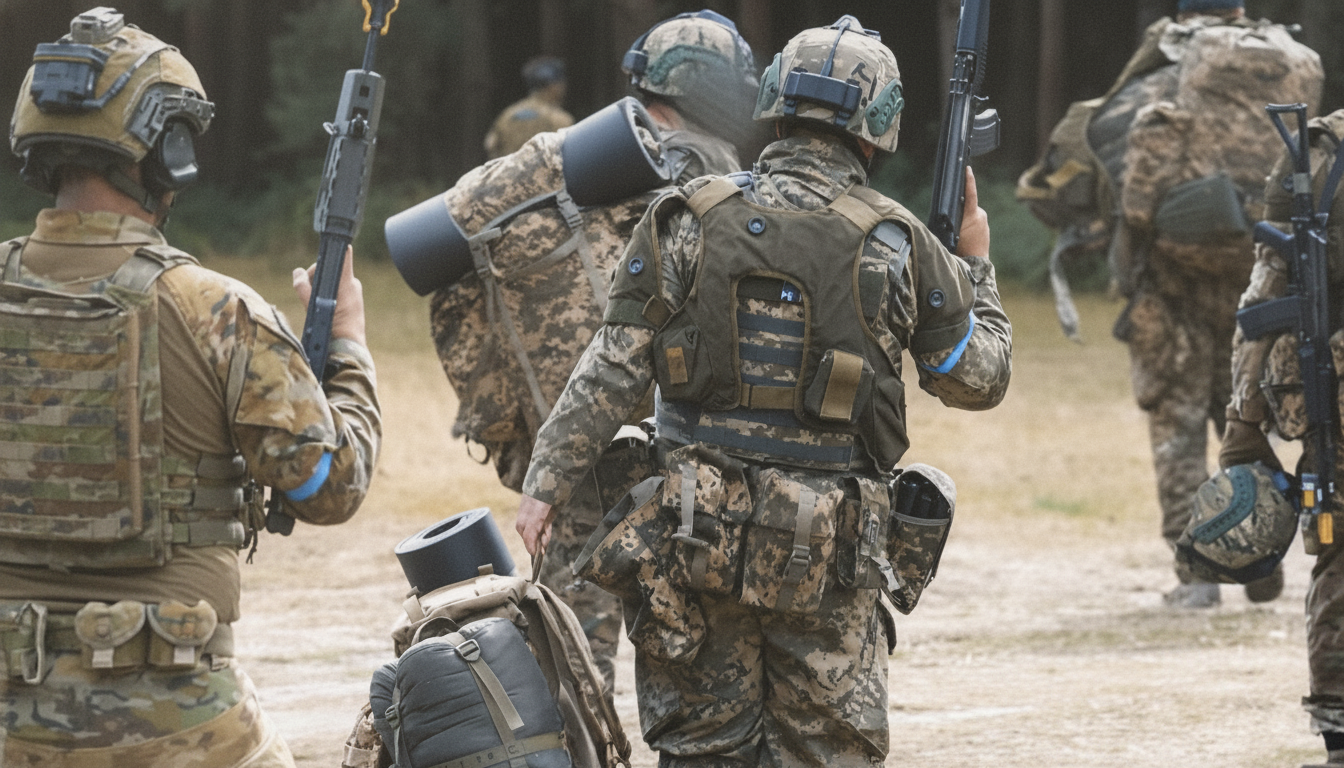
UK Military Buildup in Estonia: A Closer Look
According to UATV: The United Kingdom has signed a new defense cooperation roadmap with Estonia, increasing its military contingent in the Baltic nation to 1,200 personnel. This move, announced by UK Defense Minister Dan Jarvis and his Estonian counterpart Hanno Pevkur, is a direct response to the shifting security landscape across Europe and the pressing need to strengthen allied defenses in the region. The agreement also covers the delivery of advanced military equipment, including anti-tank systems and drones.
British forces will be stationed at Estonia's Tapa military base. This reinforcement comes as the United States has withdrawn several hundred of its own troops from Estonia, reducing the American military footprint in the country. With these changes, NATO's collaborative defense efforts in the region remain critically important as Europe's security environment continues to evolve.
Strengthening Defense Capabilities Across Europe
In parallel, Germany and France have moved forward with nuclear partnership agreements. This past July, the German and French air forces conducted their first joint exercises, marking a significant step in bilateral cooperation. In October 2026, the Bundeswehr will participate for the first time in France's strategic nuclear exercise, Poker—a move that underscores Europe's broader push to enhance its nuclear security posture.
“There is no doubt that the methods of warfare are changing, and our response must change with them.” — Dan Jarvis
The strengthening of military presence and coordination among allies continues to be a cornerstone of European security.
This expansion of British forces in Estonia signals London's intent to take a more active role in regional security, especially amid rising geopolitical tensions. At the same time, the reduction of U.S. troops may require European allies to step up their own efforts to maintain stability in the Baltic region. The situation highlights the importance of collective action within NATO and the need to adapt to emerging security challenges in Europe.
“We have strengthened the bilateral and European agenda, focusing on a number of priority issues.” — Emmanuel Macron
Read also
- Ukrainian Drone Strikes Hit Russian Fuel Depot and Wildberries Warehouses in Moscow Region
- Russia Escalates Air Operations in Southern Ukraine: What the Occupiers Aim to Achieve
- Russia Pulls Air Defenses from Frontline to Protect Its Fleet After Ukraine’s ‘MoLoChKa’ Operation
- U.S. Missile Strike Hits Iranian Observation Tower at Chabahar Port
- Strikes on the Azov Sea and Crimea: Ukraine Disrupts Russian Military Supply Lines
- Civilian Ship Under Marshall Islands Flag Hit in Missile Strike on Odesa Region