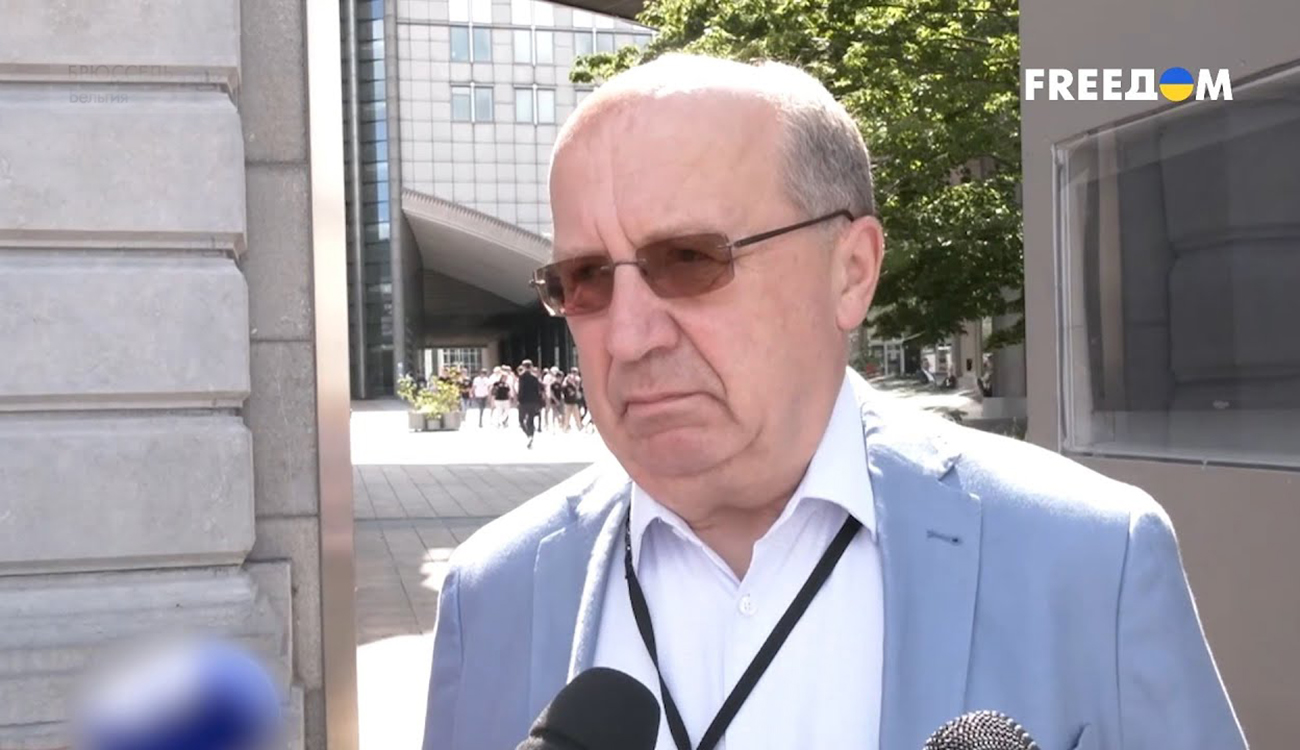
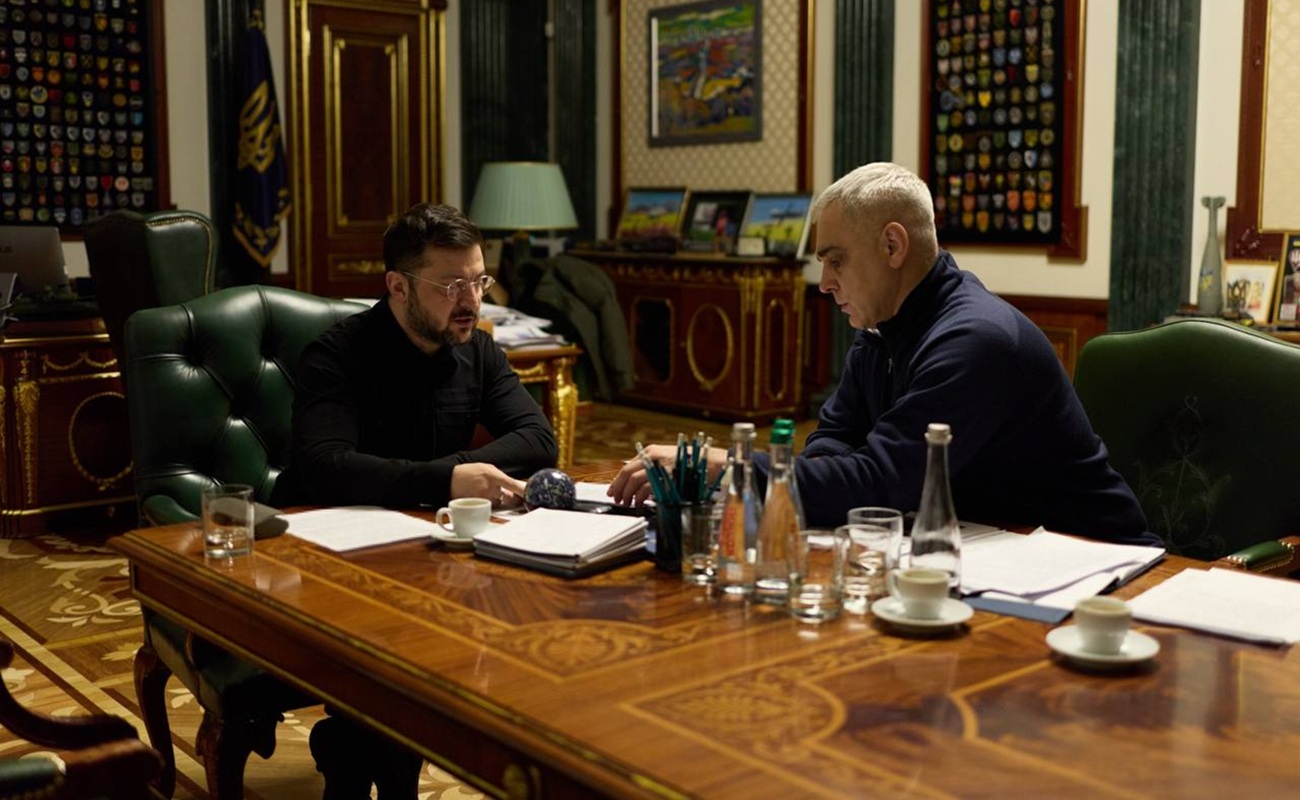
EU's 20th Russia Sanctions Package Stalled by Hungarian Veto.

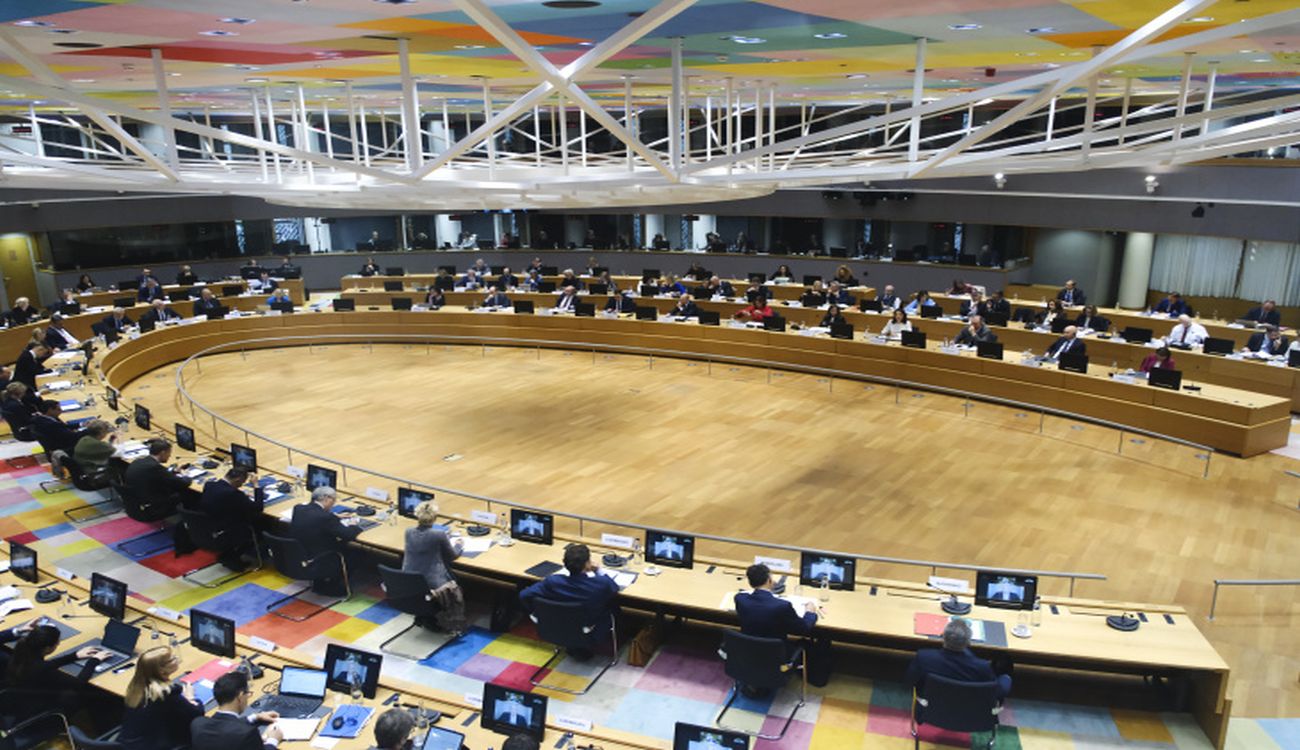
EU Sanctions Against Russia at an Impasse
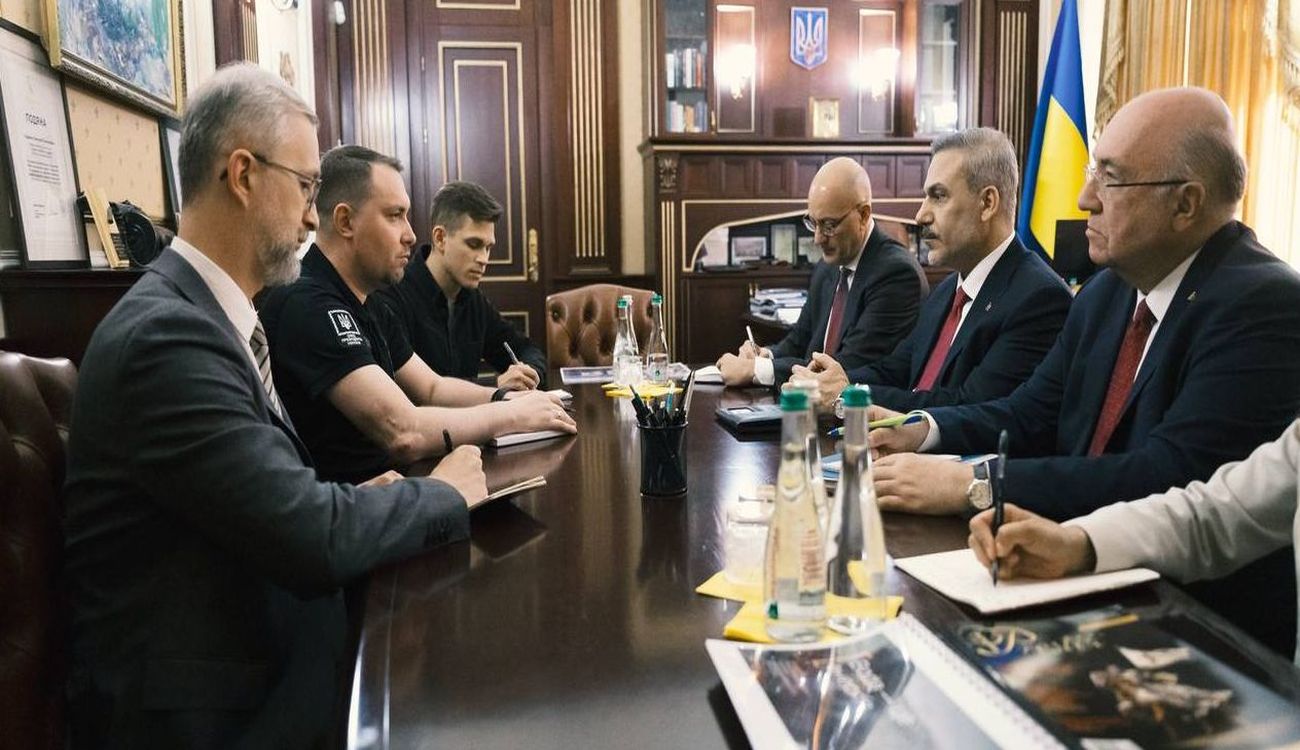
According to UATV: Hungary is blocking the European Union's adoption of a 20th package of sanctions against Russia. Hungarian Foreign Minister Péter Szijjártó confirmed his country's intent to veto the measures, demanding the restoration of oil transit via the 'Druzhba' pipeline. This issue may be discussed on February 23, 2023. However, the EU's High Representative for Foreign Affairs and Security Policy, Kaja Kallas, noted that 'tomorrow marks four years since the start of this terrible war.' The 'Druzhba' pipeline is a critical Soviet-era infrastructure project that has been a point of contention in EU energy policy for years.
Kallas also stated that, despite discussions on the 20th sanctions package, 'there will be no progress on this issue today.' She emphasized that 'we will certainly take steps to move it forward,' indicating that while talks continue, significant obstacles to consensus among EU member states remain.
Hungary Also Blocks Ukraine Aid
In a related move, Hungary is also obstructing the technical finalization of financial aid for Ukraine. This comes despite the European Parliament's prior approval of a decision to provide Ukraine with 90 billion euros in assistance for the 2026-2027 period. These actions threaten to complicate not only the sanctions regime but also the EU's broader support for Ukraine amid the ongoing war.
Kaja Kallas: 'Looking at the signs, I do not share this optimism because the negotiators on the Russian side are not very serious and are unwilling to discuss political issues.'
These comments underscore the need for a serious approach to negotiations and a unified front on matters of foreign policy and economic sanctions.
The situation surrounding sanctions against Russia and financial aid for Ukraine illustrates the complexity of EU internal politics, where the interests of individual states like Hungary can significantly impact collective decisions. Blocking sanctions and aid could delay or even hinder support for Ukraine and efforts to isolate Russia internationally. These events highlight the critical importance of unity among EU member states in the face of contemporary geopolitical challenges.
Read also
- Orban Accuses Former Foreign Minister Szijjarto of Treason Over Alleged Moscow Ties
- BYD Offers Top Job to Hungary's Former Foreign Minister Peter Szijjarto
- Hungary Accuses Ukraine of Targeting TurkStream Pipeline: The Threat to Regional Energy Stability
- Sibiha Slams Szijjártó for 'Disgusting' Reporting to the Kremlin from EU Meetings
- Leaked Calls Reveal Hungarian Minister Shared EU Sanctions Data with Russia’s Lavrov
- Hungary Presses EU to Drop Sanctions on Russian Oligarchs as Szijjártó Engages Lavrov