U.S. Supreme Court Takes Up Post-Election Ballot Case: What’s at Stake.

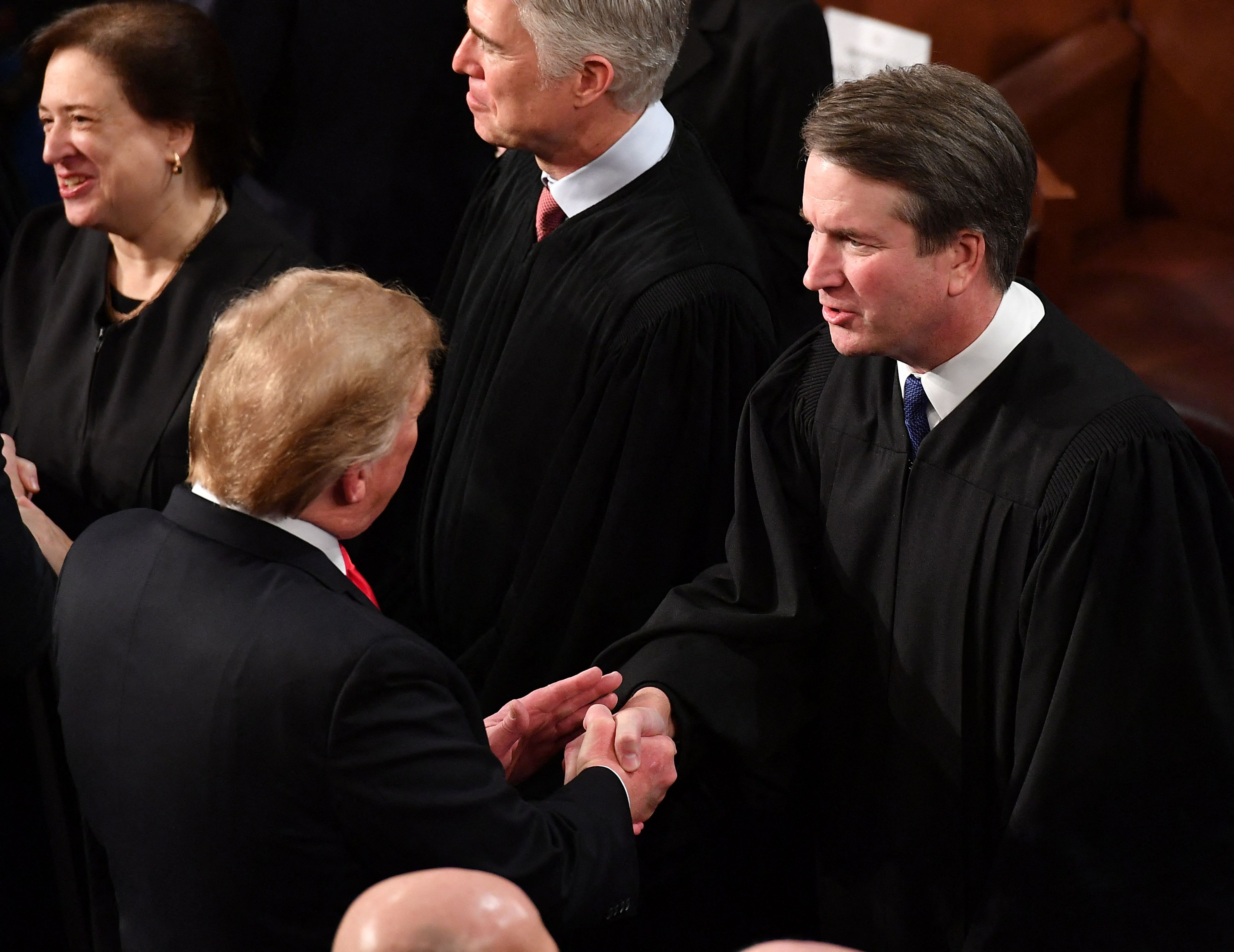
The Case: 'Watson v. Republican National Committee'
According to Vox - Загальний: The Republican National Committee launched the lawsuit 'Watson v. Republican National Committee,' challenging a Mississippi law that permits the counting of certain ballots received after Election Day. This dispute centers on whether such a practice is legally valid. The party’s core argument is that federal statutes prohibit tallying ballots that arrive after the designated election deadline.
Background and Historical Context
Congress has barred states from counting many absentee ballots since 1845. In Mississippi, ballots mailed before Election Day can still be counted if they arrive within five business days afterward. State documents indicate that 'nearly 30 states and the District of Columbia' similarly allow late-arriving ballots to be counted, provided they were sent before the election.
The U.S. Supreme Court, where at least four justices—all appointed by Republican presidents—may side with the Republican Party’s arguments, is hearing the case. However, Chief Justice John Roberts and Justice Amy Coney Barrett have expressed skepticism toward the party’s position. As Justice Sonia Sotomayor noted,
“the true example of absentee voting happened during the Civil War.”This remark underscores the historical backdrop and the need to modernize voting laws, which, according to an unnamed source, “began in the early 20th century.”
Ultimately, 'Watson v. Republican National Committee' represents a pivotal moment in the ongoing debate over voting regulations and the legitimacy of counting ballots received after Election Day. The outcome could significantly reshape U.S. electoral practices, especially for future elections, as the question of absentee ballot validity remains contentious across many states. Observers see this case as a potential indicator of broader national voting law reforms to come.
Read also
- EU Accession and Black Sea Threats Top Agenda in Ukraine-Moldova Talks
- Is Moscow in Range? Russia Bolsters Air Defenses as Ukraine's Missile Program Advances
- Ireland’s Prime Minister Arrives in Kyiv for Talks with Zelenskyy—Here’s What’s on the Agenda
- Ukraine’s Military Leadership Shake-Up: Zelenskyy Appoints Drapatiy as New Commander-in-Chief and Skybyuk as Chief of General Staff
- EU Agrees on 21st Sanctions Package Against Russia: Fresh Curbs Targeting Finance and Energy
- Trump Approves Nuclear Deal with Saudi Arabia, Allowing Enrichment Without IAEA Oversight