Zelensky named the conditions for elections: the possible deadline is 60 days after the agreement.

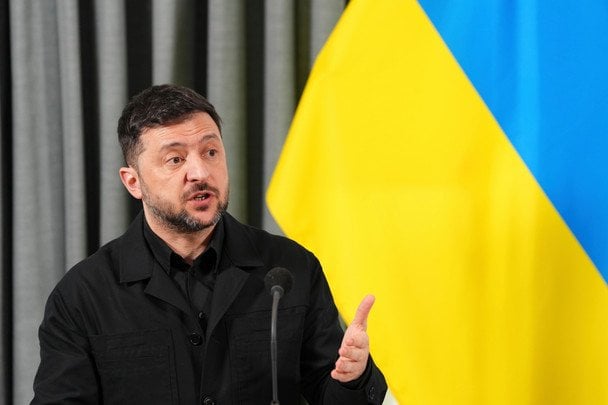
According to ТСН: Ukraine is ready to hold elections as soon as possible after signing a security agreement, if the situation and agreements with partners require it. However, the process must take place with respect to democratic standards and in safe conditions.
This information was stated by the President of Ukraine Volodymyr Zelensky during communication with journalists.
It is worth noting that the urgent holding of elections in Ukraine is the 18th item in the draft peace agreement.
Zelensky on the possible terms of presidential elections
The head of state noted that international partners support the idea of holding elections "as soon as possible" after the signing of the agreement. Zelensky assured that the Ukrainian government is approaching this process responsibly and does not intend to delay it.
"Ukraine can hold elections and do so in the interest of Ukraine as a democratic country. There should be no doubts among partners in Ukraine — especially regarding the issue of elections. Therefore, we approach this responsibly. I do not want to cling to the position, I have said this," the president emphasized.
He also noted that the Verkhovna Rada can develop a mechanism to shorten the voting deadlines for the election date — for example, within 60 or 90 days after the creation of security conditions.
Why parliamentary and local elections are more complicated
Zelensky also distinguished the possibility of holding presidential elections and a complete reboot of power, including the parliament and local councils. While the president can be elected sooner, there are serious obstacles regarding other levels related to the Constitution and the scale of the process.
"If we talk about presidential elections, that is one thing. Elections for parliament and local elections — that’s another matter, and you can’t just organize it like that — there are constitutional restrictions regarding the parliament, and concerning local elections — it’s a completely different scale of participation in the elections, and not the right to vote, but the right to be elected," the head of state explained.
He added that parliamentary and local elections are only possible after the complete lifting of martial law restrictions.
The key factor remains the situation at the front. The president emphasized the danger of losing control over the military during the transitional period.
"We need a special state, while they leave, not leave, while it ends. Mobilization can be transformed or not done in conditions when there is an agreement and it is being implemented. But the most important thing is not to lose the military for some time, not to lose positions. This is very dangerous," Zelensky warned.
Journalists also asked the president whether a referendum could be conducted simultaneously with the presidential elections. Zelensky allowed for such a possibility.
"I think so. I can’t say technically right now. If we sign an agreement, and if there is a referendum. We sign it, and then it goes to referendum. So even if I signed it as president, and it goes to a referendum, the decision of the referendum will be higher than my signature," Volodymyr Zelensky summed up.
Recall that at the beginning of December, in an interview with Politico, US President Donald Trump stated the necessity to hold presidential elections in Ukraine. According to him, Kyiv "is using the war to avoid holding elections."
The situation with possible elections in Ukraine remains complicated due to the impact of military conditions and international agreements. Defining the timing of elections and their organization directly depends on the security situation and the support of international partners, highlighting the importance of national stability in the face of modern challenges.
Read also
- Budanov Calls Kakhovka Dam Destruction an Act of Ecocide That Demands Accountability
- Virginia Supreme Court Overturns Redistricting Plan—What Comes Next
- Kyrylo Budanov to Lead New Presidential Advisory Council: Its Mission Explained
- How Kremlin Propaganda Distorts the Truth About the Kakhovka Dam Attack, According to a Lawyer
- Hungary Lifts Its Veto: EU Set to Open First Negotiation Cluster for Ukraine’s Accession
- Beijing Launches Naval Operation Near Taiwan: What Triggered China’s Response