










Global Food Crisis Looms as Middle East Conflict Disrupts Fertilizer Supply.

Fertilizers gone, hunger threat

Middle East War Threatens to Trigger a World Food Emergency

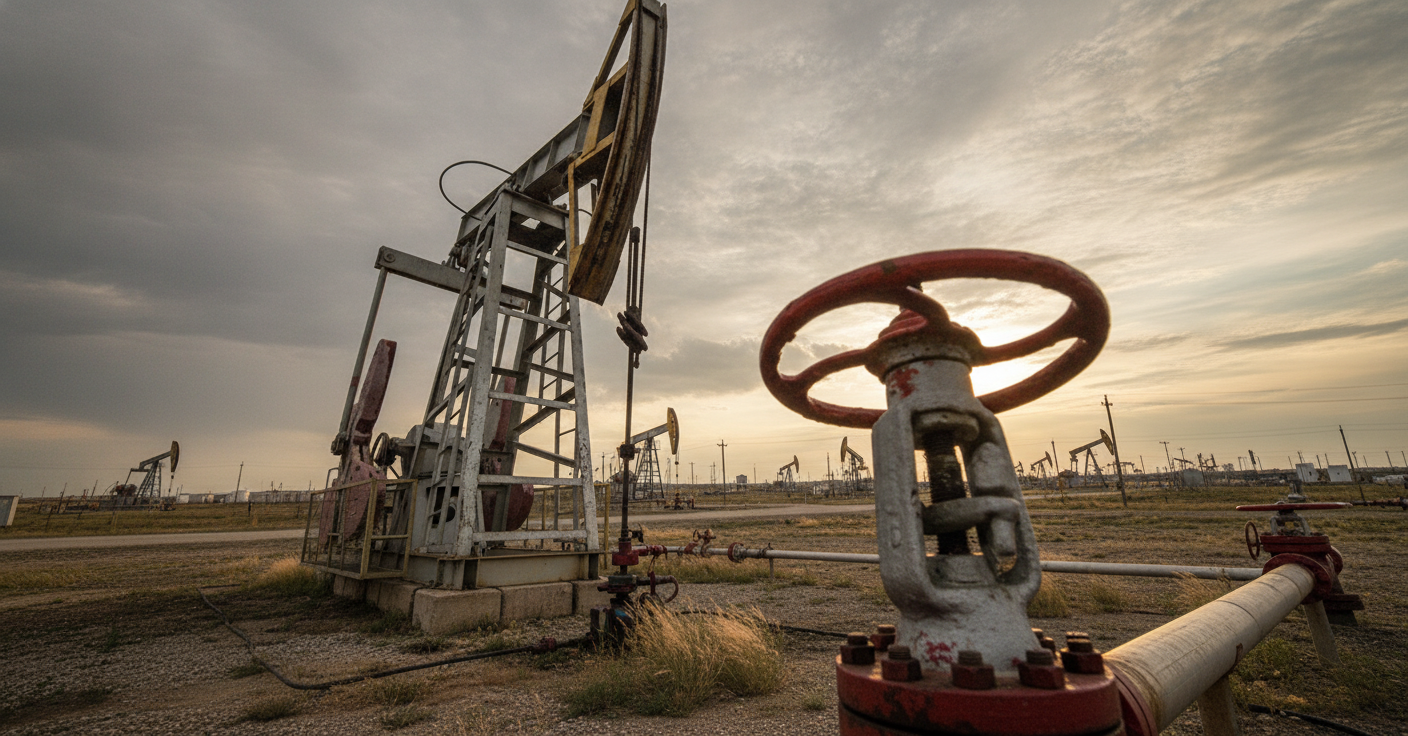
According to TSN.ua: Experts are warning that the ongoing conflict in the Middle East could spark a global food crisis, as it has already severely disrupted fertilizer production and international food supply chains. The war has halted urea manufacturing in the region, a key agricultural input, raising alarms about market stability worldwide.

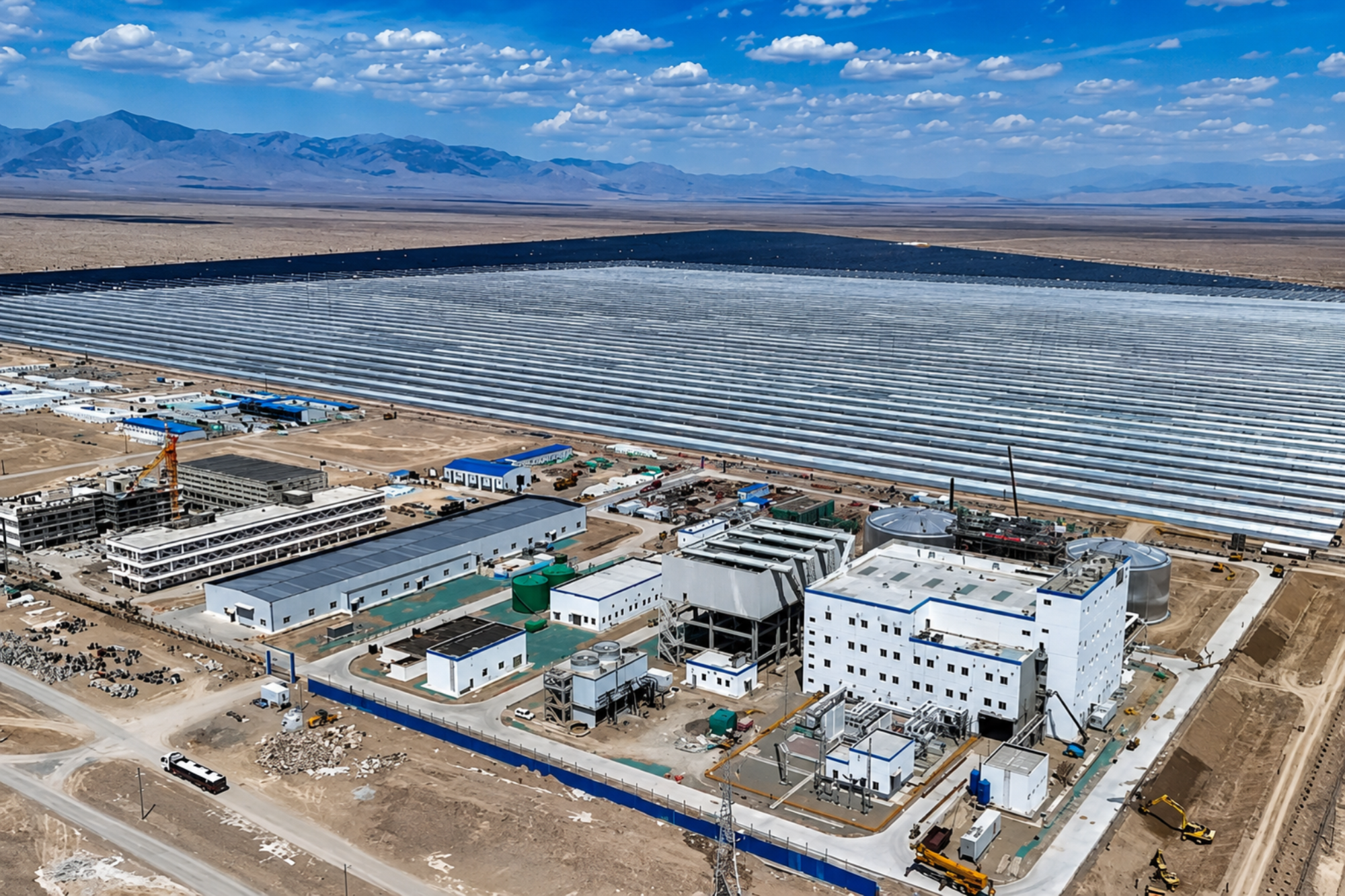
Iranian strikes have forced the suspension of urea production across the Middle East, creating a fertilizer shortage. Producers in South Asia are now cutting output due to a lack of natural gas. Over the past two weeks, roughly half of the 2.1 million tons of urea intended for global markets failed to ship. This is critical because about one-third of the world's urea exports pass through the Strait of Hormuz. More than 1.1 million tons of fertilizers and raw materials remain stranded in the Persian Gulf, compounding the crisis.

Qatar's QAFCO company has shut down a urea plant with an annual capacity of 5.6 million tons, further straining supply. In India, gas usage at fertilizer plants has dropped to roughly 70% of normal levels. Since the conflict began, these factors have driven urea prices up by more than 40%.

'Even a temporary spike in fertilizer prices can leave lasting scars on global food production.' Alvaro Lario

Additionally, Dubai now has only 10 days' worth of fresh produce in stock, heightening the risk of food instability. As Veronica Nigh notes, 'if disruptions continue, this will be far worse than in 2022.' Chris Lawson emphasizes that 'the world could face a much more severe situation than in 2022.' Raj Patel also observes that 'all of this means global hunger will definitely increase this year.'

Global Food Security at Risk

The fertilizer and food market remains under severe strain, and experts are urging immediate action to prevent a deeper crisis.

This report highlights the serious consequences the Middle East war could have for global food security. Given urea's importance to agriculture, delays in fertilizer shipments could reduce crop yields in many nations, especially those reliant on imports. Rising fertilizer prices and fresh food shortages may create socioeconomic challenges, including increased poverty and hunger across various regions of the world.


Read also

Advertising