







Trump Announces New Strikes as US-Israel Campaign Against Iran Continues.

Trump announces new strikes on Iran

The US-Israel War on Iran

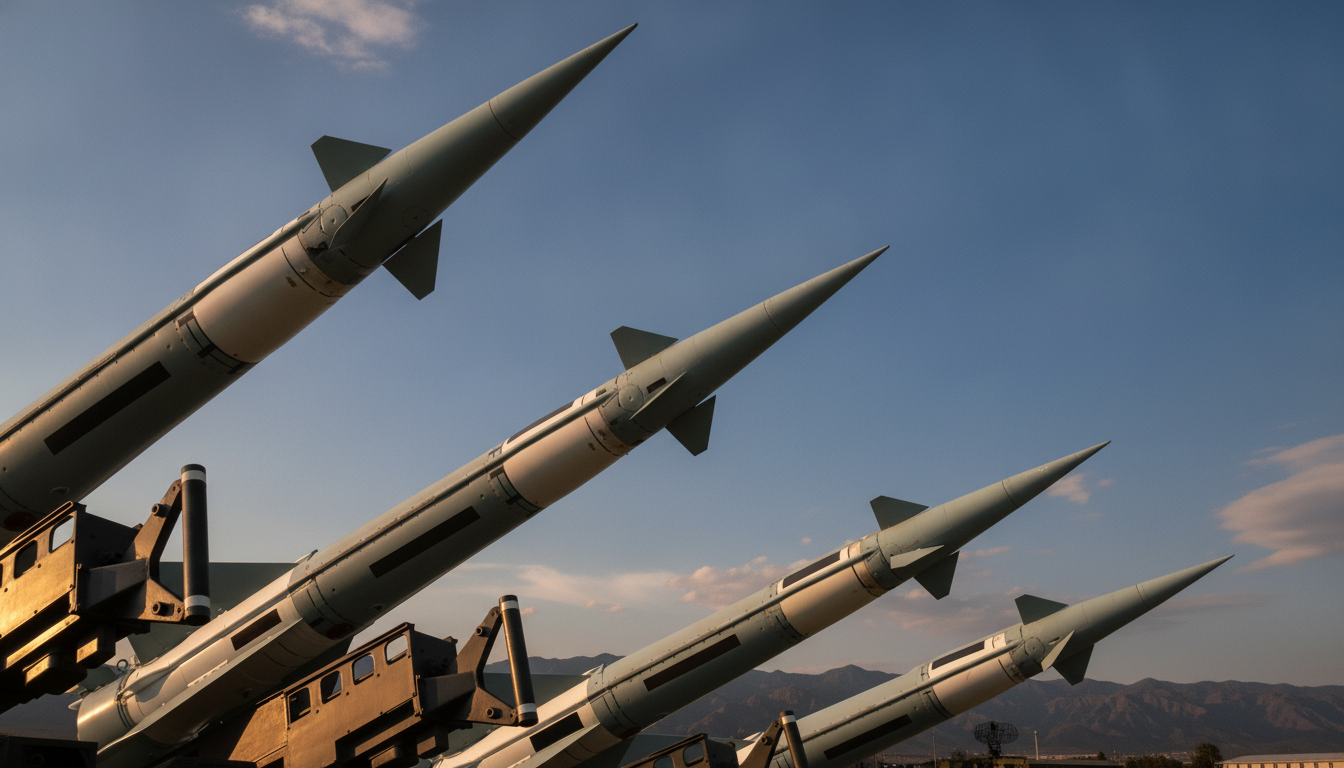
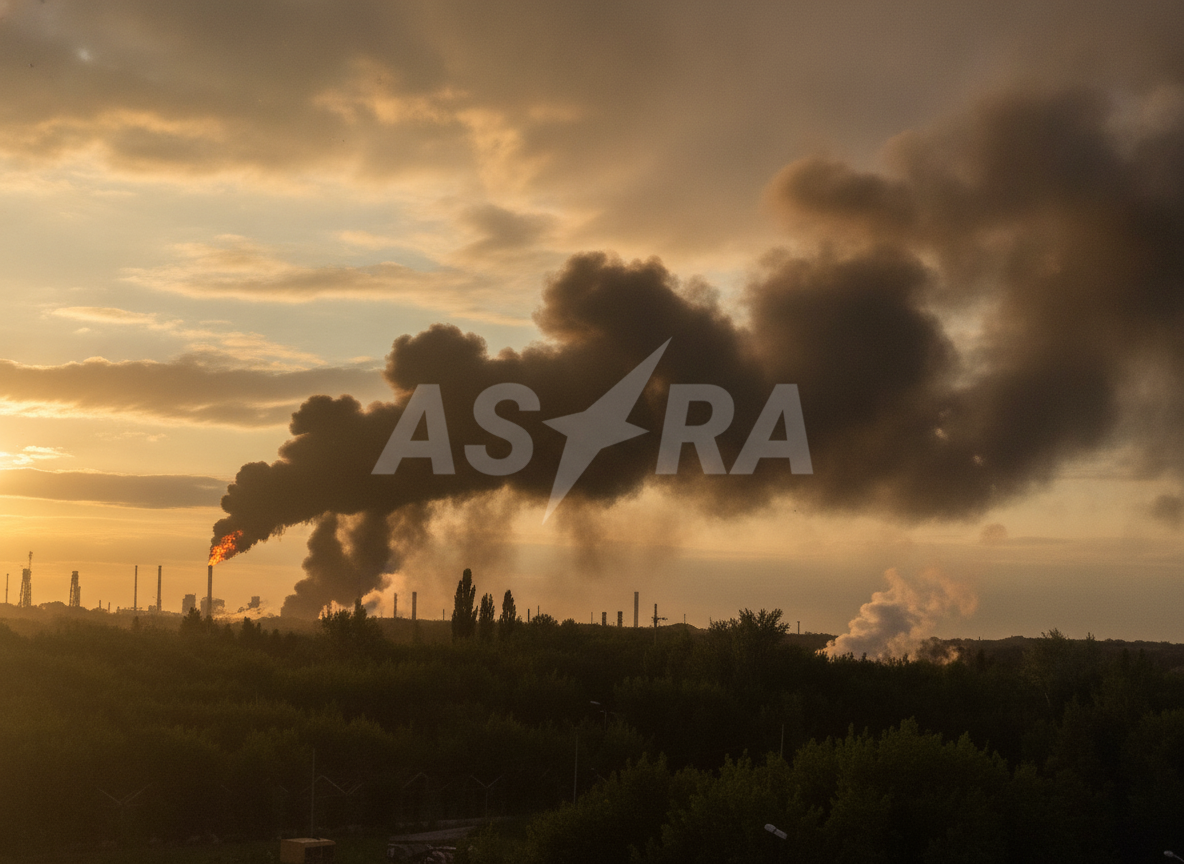
According to TSN.ua: Dubbed "Epic Fury," the joint military campaign by the United States and Israel against Iran entered its third week on March 11, 2026. On that day, US President Donald Trump declared victory in the conflict, yet simultaneously announced further military strikes. The operation's primary objectives are dismantling Iran's nuclear program and toppling the country's ayatollah-led regime.

The war began with major military actions that are still ongoing, and analysts project the US-Israel operation will last another three to four weeks. In response to the conflict, Iran has blocked the Strait of Hormuz, a critical chokepoint through which over 20% of the world's oil and gas supplies transit. This blockade has sent energy prices soaring:

  • Oil prices have already surpassed $100 per barrel;
  • Gas prices have climbed to $570.

Experts warn that crude oil could reach $150 per barrel, exceeding the historic record of $147 set in 2008.

Economic Fallout from the Conflict

The economic repercussions are reverberating across global markets. Trump stated:

"America benefits from rising energy prices."
In response to the price surge and market instability, the US president announced on March 12, 2026, a 30-day suspension of sanctions on Russian oil. This decision is expected to reshape supply dynamics and influence energy prices in the near term.

The situation remains volatile, and the course of events in Ukraine and worldwide will hinge on the military campaign's outcome and the international community's response. Meanwhile, US administration official Steve Witkoff noted that

"Russia is not sharing intelligence with Iran,"
highlighting the intricate geopolitical dynamics at play.

The conflict between the US, Israel, and Iran carries profound consequences not only for the belligerents but also for the global economy, especially the energy sector. The closure of the Strait of Hormuz threatens the stability of oil and gas supplies, potentially driving prices even higher and worsening global economic conditions. A key factor will be how the international community reacts to the military operations, as that response could shape future phases of the conflict and alter diplomatic relations between nations.


Read also

Advertising