The $40 Billion Price Tag of America's War with Iran: How It Hit U.S. Households.

The Economic Fallout from the U.S.-Iran Conflict
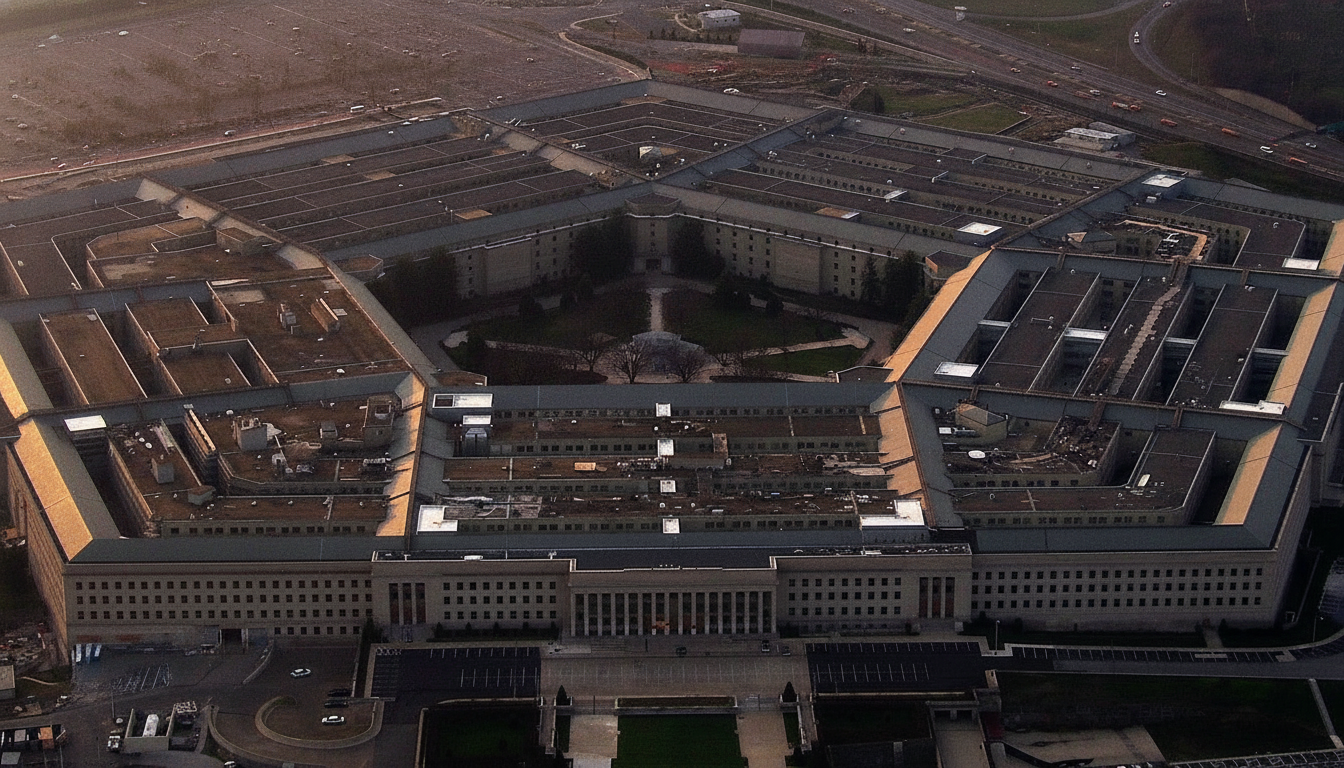
According to UATV: The financial toll of the U.S.-Iran war has sparked widespread discussion, as the Department of Defense alone spent roughly $40 billion. For context, the proposed U.S. operational budget for fiscal year 2026 is approaching one trillion dollars. Meanwhile, the Department of Homeland Security and the Department of Veterans Affairs each allocated about one billion dollars to support active troops and veterans.
American consumers also felt the impact directly. The average price of gasoline in the United States jumped from under three dollars to over four dollars per gallon. As a result, the typical U.S. household paid an extra $253 due to higher fuel costs. On the global stage, roughly 1.15 billion barrels of oil were lost because of disrupted supplies from the Middle East, further straining energy markets.
Inflation and Operation 'Epic Fury'
Inflation in the U.S. exceeded 4% for the first time in three years, a direct reflection of the conflict's economic ripple effects. Operation 'Epic Fury,' launched by the U.S. and Israel on February 28, 2026, involved approximately 900 airstrikes on its first day. That same day, Ayatollah Ali Khamenei was killed. The active phase of the operation concluded on May 6, 2026, and on June 17, 2026, the U.S. and Iran signed a memorandum to end hostilities.
However, on June 20, 2026, Iran once again closed the Strait of Hormuz, threatening to trigger further economic hardships. The war's consequences are thus felt not only on the political front but also economically, raising serious concerns about the stability of the U.S. financial system and the global economy at large.
The economic repercussions of the conflict are likely to linger, especially as defense and social support costs climb and inflationary pressures mount. The closure of the Strait of Hormuz could worsen the energy crisis, affecting global markets and consumer prices, and creating additional hurdles for the American economy. In this context, close monitoring of regional developments and their global economic impact remains essential.
Read also
- Khamenei’s Funeral Procession Reaches Iraq: Supreme Leader’s Coffin Taken to Shia Holy Sites
- Hundreds of Thousands Gather in Iran for Khamenei’s Funeral: July 4 Date Was No Coincidence
- Iran’s New Supreme Leader Mojtaba Khamenei Still Missing from Public View: What’s Going On?
- Trump Signs Landmark Deal with Iran: Ceasefire, Sanctions Relief, and Nuclear Terms Take Center Stage
- Over $3 Billion Unlocked for Iran by UAE in Deal to Halt Attacks
- Western Intelligence Assesses Iran's Remaining Missile Capabilities