Hundreds of Thousands Gather in Iran for Khamenei’s Funeral: July 4 Date Was No Coincidence.

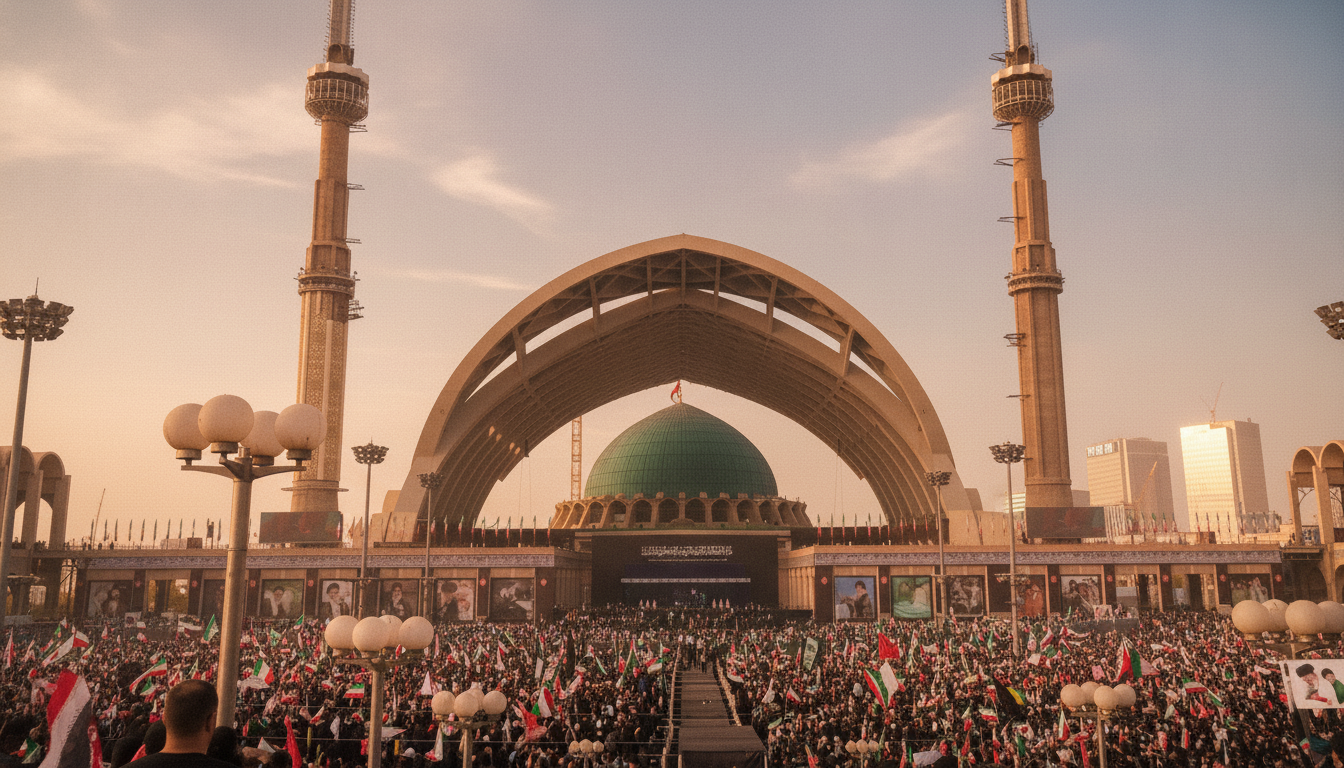
Funeral of Ayatollah Ali Khamenei
According to Espreso.tv: Tehran is hosting the funeral of Ayatollah Ali Khamenei and his family members, who were killed in an airstrike on the first day of the American-Israeli war against Iran. The ceremony is scheduled for July 4, which coincides with the 250th anniversary of the founding of the United States. Hundreds of thousands of mourners are expected to attend to pay their respects to the deceased.
Ayatollah Ali Khamenei died on February 28, 2026, in an airstrike carried out by Israel, which targeted Tehran that day. The funeral services will take place at the Grand Imam Khomeini Mosque (Mosalla) until July 6. A prayer service for the deceased is planned for Sunday. On Monday, Khamenei’s body will be carried through the streets of Tehran, and the burial will occur on Thursday at the shrine of Imam Reza in Mashhad.
Reaction to the Death
At the ceremony, participants chanted slogans, including:
- Death to America!
- Death to Israel!
This funeral holds significance not only for Iran but also for the international community, as it underscores the tensions between Iran, the United States, and Israel. The reaction of Iranian society to Khamenei’s death could influence the future trajectory of the conflict, as the country may take retaliatory measures in response to the aggression. The ceremony will serve as a key indicator of national unity and readiness for a potential escalation of military actions in the region.
Read also
- Iran Blockades the Strait of Hormuz: Houthis Shut Down Bab el-Mandeb in 2026
- Trump Approves Nuclear Deal with Saudi Arabia, Allowing Enrichment Without IAEA Oversight
- Pentagon Requests $67 Billion More as US War Costs Against Iran Hit $37.5 Billion
- Iran Faces Infrastructure Bombing Under New US Strategy Announced by Trump for Strait of Hormuz Attacks
- Ukraine’s Air Defense Gets a Boost: New Interceptor Missiles for Patriot Systems Discussed with NATO
- Putin Abandons Plans to Return Occupied Lands to Ukraine: What We Know About the So-Called 'Buffer Zones'