How Conflict in Iran Could Cripple Russia's Military Arsenal.

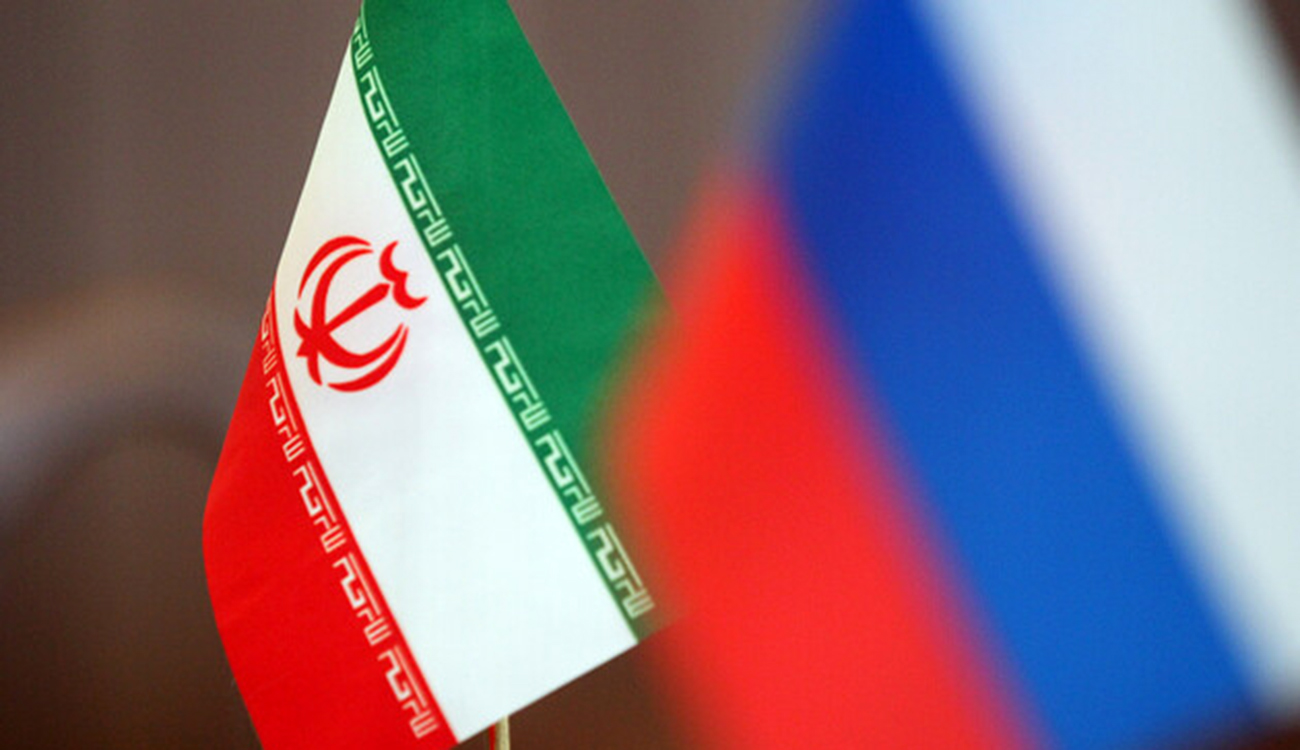
How Iran's Instability Threatens a Key Russian Military Partnership
According to UATV: Military and technical cooperation between Russia and Iran, a crucial lifeline for Moscow's war effort in Ukraine, faces severe disruption due to the conflict in Iran. This could have profound consequences for the Russian army, potentially altering the production capabilities of its military-industrial complex, including drone manufacturing. This partnership has become increasingly vital for Russia as it seeks to circumvent Western sanctions and sustain its military operations.
Currently, Russia's military-industrial complex can produce up to 400 drones per month. However, forecasts for 2025 suggested a dramatic increase to roughly 50,000 drones annually, a target heavily reliant on Iranian components. The Yelabuga plant in Tatarstan currently has an annual capacity of 10,000 drones, while the 'Kupol' plant in Izhevsk and the 'Kronstadt' plant in Dubna, Moscow region, can each produce up to 15,000.
The military conflict in the Persian Gulf has now negatively impacted this collaboration. Iran has halted supplies of artillery shells and tank ammunition to the Russian army. This disruption also threatens the supply of aeroballistic munitions, such as the 'Fateh-110' missiles.
'The war in the Persian Gulf primarily strikes the Russian Federation in the context of its military-technical cooperation with Iran.' Dmitry Snegirev, International Relations Expert
Beyond weapons, the total trade turnover between Russia and Iran was projected to reach about $5 billion in 2025, with Russia also supplying Iran with approximately 20 million tons of agricultural products. As Snegirev emphasizes:
'Iran is a primary strategic partner of the Russian Federation' and 'is also a strategic trading partner of the Russian Federation.' Dmitry Snegirev, International Relations Expert
However, he adds that, 'Now we can also say that Iran will be unable to transfer aeroballistic munitions to the Russian Federation.'
Consequently, the impact of the Iranian conflict on Russia's military industry and its capabilities in Ukraine is a significant factor to monitor. The situation underscores Russia's growing dependence on Iran for military supplies, particularly for its ongoing war. Uncertainty in this relationship could substantially affect the quality and quantity of military hardware reaching Russian forces, making further developments in Iran and the region a critical variable for Moscow's military planning.
Read also
- Europe and Ukraine Launch Joint Defense Initiatives: Missile Cooperation and Security Guarantees Take Center Stage
- Concrete fortifications and anti-tank ditches: Ukraine reinforces its border with Belarus
- Moldova and Romania Outraged by German Ambassador’s Remarks on Language and Religion
- Protests Erupt as Defense Minister Fedorov Resigns: Military and Public Push Back
- Germany Raises Threat Level to 'High' and Launches Joint Nuclear Drills with France
- Ukraine’s Ombudsman Calls for Mobilization Overhaul, Warns Impunity at Recruitment Centers Is Radically Polarizing Society