Drivers are deprived of the right to drive due to violations of the military registration of driver's licenses.

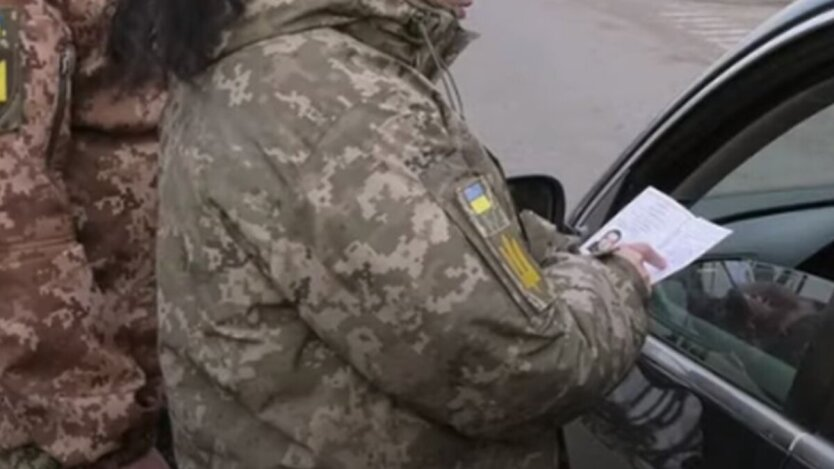
Ukrainian drivers lose the right to operate vehicles when they violate military registration. Using the search engine of the court register, 41 court proceedings related to this issue were found regarding Babushka.
Most proceedings are returned for revision for technical reasons, such as the non-payment of court fees by territorial recruitment centers. Lawyer Valentina Slobodyanyuk explained that this situation is temporary and will appear in the budgets of the TCK in 2025.
'The TCK may not have planned funds for court fees in such lawsuits, as there were changes in the law in 2024. The chances of success in court will increase if the cost item appears in the TCK budget,' Valentina Slobodyanyuk explained.
This is an important precedent in the judicial practice of Ukraine, where for the first time a court refused a driver the right to operate vehicles due to a violation of military registration rules. The restriction remains in force until the requirements of the TCK are met or the court decision is overturned.
It has been established that such a practice of restricting driving rights is not new; it is already applied against individuals who evade alimony obligations.
The court decisions are anonymous, making it difficult to verify the information. There is a draft law that aims to restrict access to information about court proceedings related to mobilization.
'In criminal proceedings, during closed court cases and in court rulings concerning the conduct of secret investigations, there are rules regarding the anonymity of the parties involved. For this purpose, instructions from the SBU, government orders, and requests from the command of the armed forces can be used,' the lawyer noted.
Ukrainians can check information about lawsuits against themselves through court services in the 'Diia' application or in their personal account in the electronic system 'ESud'.
We remind you that the rules for mobilization in Ukraine have changed.
Read also
- Azerbaijan Boosts Gas Exports to the EU by 65%: Can Supply Keep Up with Demand?
- Ukrainian Strikes Drive Russia’s Oil Refining to Its Lowest Level in 18 Years
- Fuel Sales in Crimea to Proceed Without Schedules as Power Outages Hit Day 12
- Russia Adopts Euro-3 Fuel Standards Amid Refinery Strikes and Growing Gasoline Shortages
- Oil Prices Could Hit $200 Per Barrel, Analyst Warns: What It Means for Ukraine
- Europe Paid Up to €6 Billion for Russian Gas — Who Bought the Most?