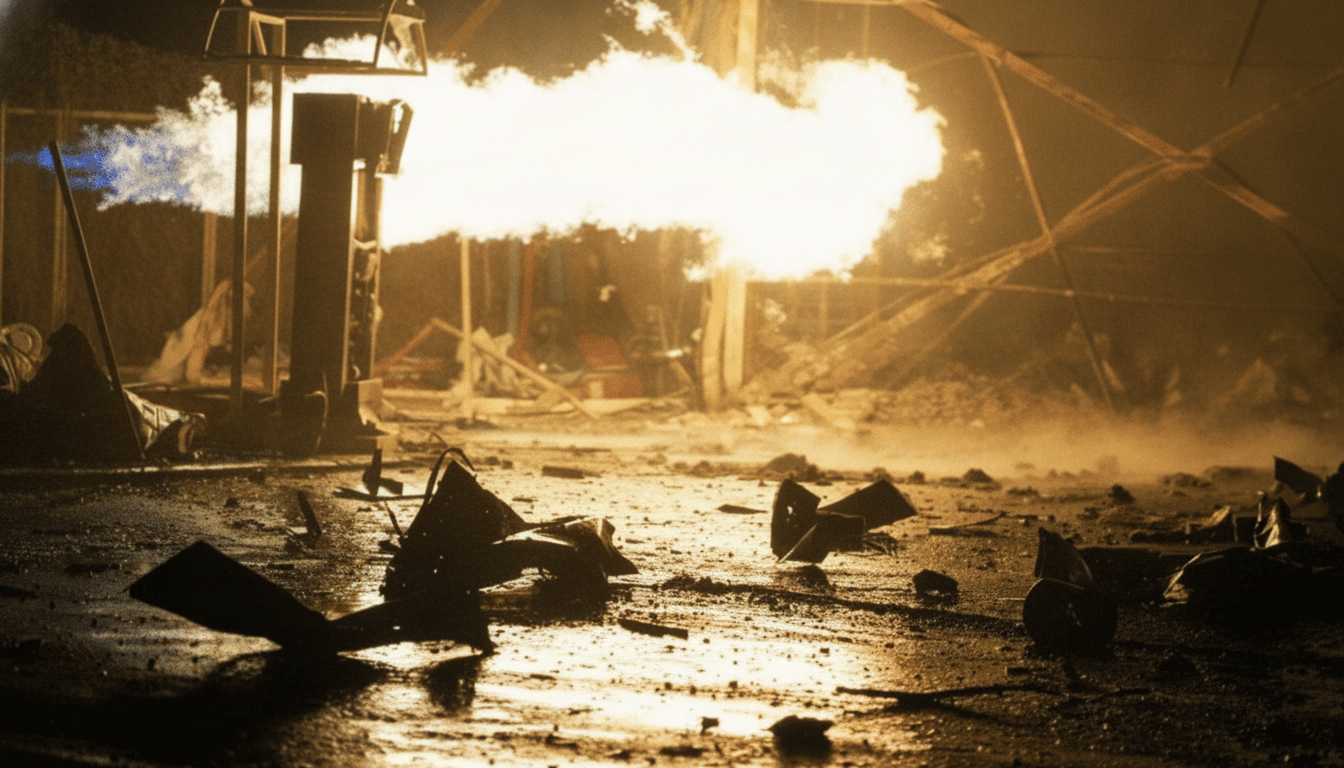
Logistics from Crimea Deteriorates for Russian Forces: Artillery Strikes Plummet on Zaporizhzhia Front.

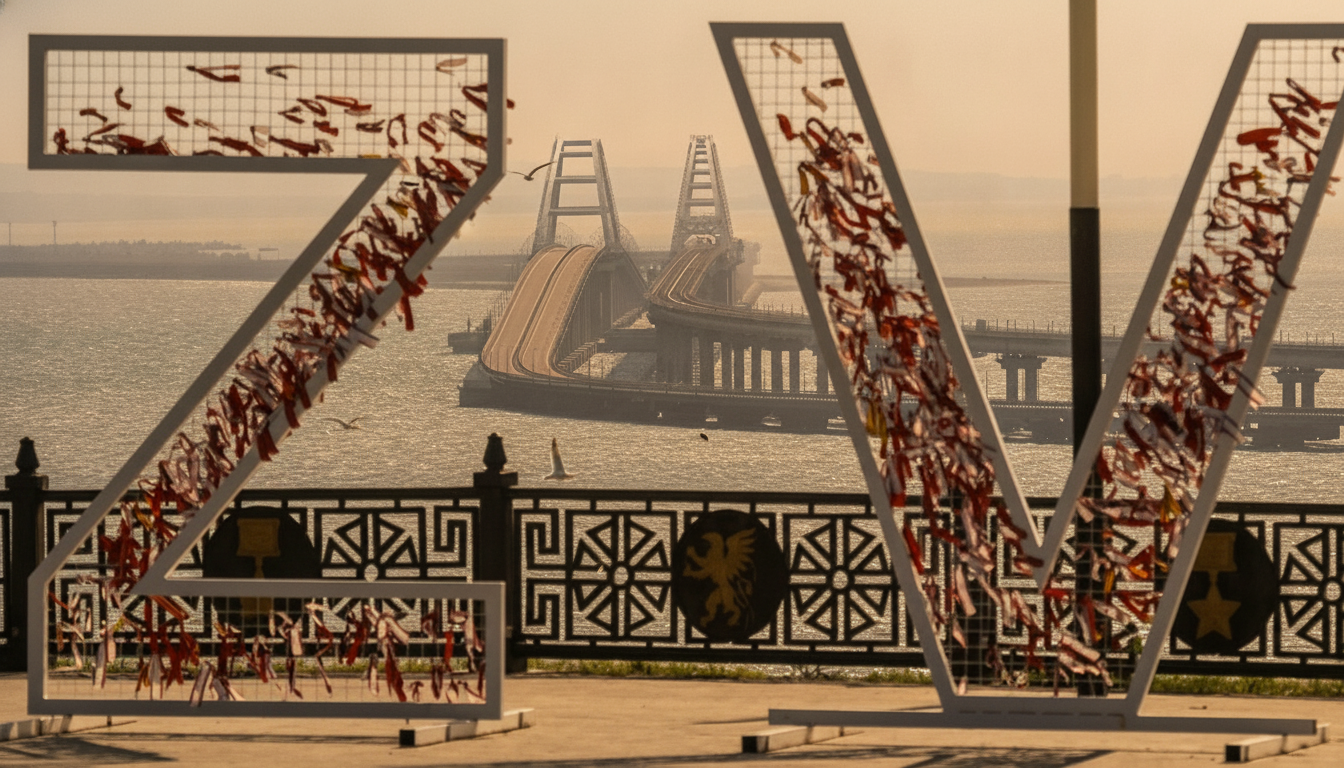
Enemy Supply Lines Falters
According to Espreso.tv: Dmytro 'Perun' Filatov, commander of the 1st Separate Assault Regiment named after Dmytro Kotsiubailo, reports a significant breakdown in the enemy's supply chain from Crimea, leading to a sharp drop in artillery fire along the Zaporizhzhia axis. According to him, the adversary has stopped resupplying its forces from Crimea, a change now clearly visible on the front lines. This development marks a notable shift in the region's dynamics, where Ukrainian forces have long faced intense shelling.
Previously, fuel trucks continued to deliver resources via Crimea, but that is no longer the case. The improved situation on the Zaporizhzhia front is directly tied to this logistical degradation. Alongside the reduced artillery intensity, the number of enemy assault operations is also gradually declining, offering Ukrainian defenders a much-needed respite.
Battlefield Dynamics Shift
The enemy is trying to seize control of paved roads on the Mariupol-Berdiansk and Zaporizhzhia routes.
Dmytro 'Perun' Filatov
Filatov emphasized that 'in the near future, any movement from Crimea will become a very serious problem for the enemy.' He added, 'We see that the intensity of artillery strikes and the impact of enemy drones have decreased.' These changes point to a gradual stabilization of the situation on the Zaporizhzhia front, which could shape the course of future military operations. For an English-speaking audience, this suggests that Ukrainian forces may be gaining an advantage in a critical sector of the broader conflict.
The Zaporizhzhia front remains a key element in the overall picture of the war in Ukraine. The weakening of the enemy's logistics likely signals a reduction in their combat effectiveness, potentially opening new opportunities for Ukrainian troops. Improved conditions for Kyiv's forces could act as a catalyst for more active operations in this region, which in turn may influence the conflict's overall trajectory.
Read also
- Russian Losses Hit Record Highs as Ukrainian Forces Stabilize Front Near Kostiantynivka and Sloviansk
- Ukraine's Defense Forces Eliminate 1,350 Russian Troops and Down Nearly 2,000 Drones in a Single Day
- No Complete Protection Possible Against FPV Drones, Ukrainian Soldier Warns
- Russia Intensifies Assaults on Seven Fronts: 257 Combat Clashes Recorded in a Single Day
- Teen Among Six Wounded in Overnight Strike on Zaporizhzhia
- Russia Pushes Toward Kramatorsk and Sloviansk: A Critical Frontline Hotspot Emerges