OpenAI launches Sora: how to distinguish real video from AI.

The growing popularity of AI content
According to Vox: If your feed is not yet filled with videos created by artificial intelligence, it's only a matter of time. Meta and OpenAI are actively working on this. Recently, Meta announced its new platform Vibes, which includes exclusively AI content: cats, dogs, and various abstractions. This is just the beginning, as Mark Zuckerberg already has a video dedicated to this topic.
OpenAI and the new Sora app
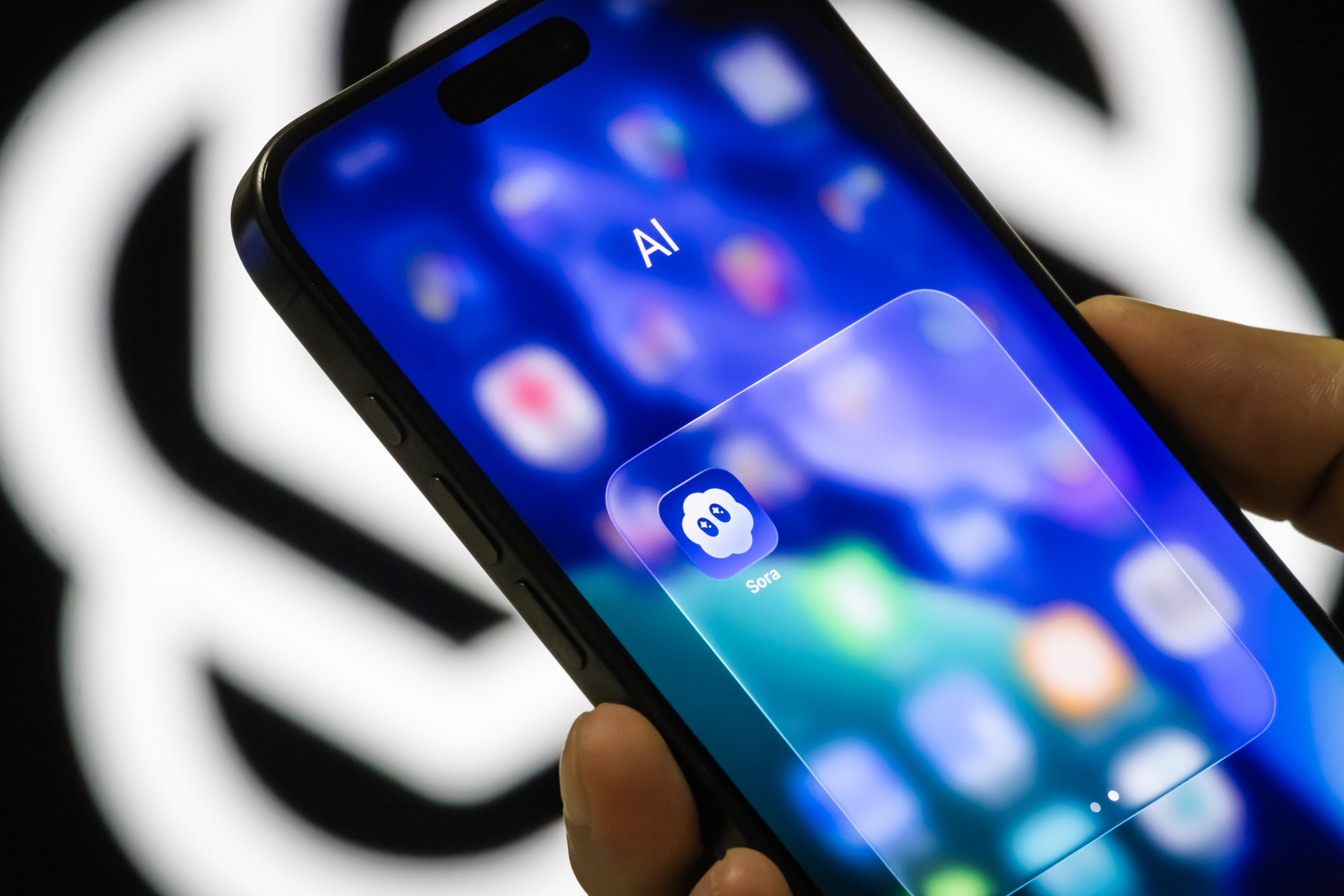
Recently, OpenAI presented the Sora app, which offers its version of AI content. Similar to TikTok, Sora has a 'For you' feed where users can scroll through content vertically. But the feature of Sora is the realism of the content. The Cameo feature allows users to create videos with themselves, friends, and any public figures who agree to it. This means that videos can already be found where Sam Altman is spending time with Charizard or preparing Pikachu.
This is just the beginning, and technologies are constantly improving. To learn more, we spoke with Hayden Field, a senior AI reporter at The Verge. Field and co-author Today, Explained Sean Rameswaram discuss why these tech giants focus on AI video, how to work with it, and even play out an example.
What is Mark Zuckerberg trying to do with Vibes?
This is a key question. Companies, including Meta, aim for users to consume AI content and stay on the platform. Experts believe that Zuckerberg's goal is for AI to become an integral part of the everyday lives of ordinary people, so they get used to it.
How have technologies improved?
Artificial intelligence is now capable of improving its algorithms independently. The main barrier to this is computing power, so companies are actively building data centers and entering into new agreements.
What is Sora?
Sora is a new app that offers an endless feed of AI videos. It can be considered the AI equivalent of TikTok. The feature of Sora is the ability to create videos with your own face and the faces of friends with their permission through the Cameo feature.
This distinguishes Sora from Vibes because in Sora you see real videos that look very realistic. For example, you can see Sam Altman drinking a large juice.
How to recognize AI content?
These tips may help. If you look at something for a long time, you may notice signs that it is AI content:
“Taylor Swift, actually — some of her promo for her new album apparently had a Ferris wheel in the background and the spokes kind of blurred as it moved.”
Signs may include incorrect lighting, unnatural facial expressions, artificially perfect skin, or changes in background details. For example, in Taylor Swift's advertisement for her new album, a Ferris wheel was visible with its spokes blurring during movement.
What additional things should be considered?
Currently, more rules regarding this content and its disclosure are needed. OpenAI has some restrictions: each uploaded video from Sora usually has a watermark.
However, there are already many videos on YouTube with instructions on how to remove the Sora watermark.
Are companies interested in our ability to recognize the original?
Companies claim that it is important to them, but technologies can always be misused. This is a challenge, and it will be interesting to see how they respond to this situation.
The spread of AI content faces growing challenges related to identifying its authenticity. Companies like Meta and OpenAI aim not only to attract users but also to maintain some control over the content created. Over time, it is important to introduce new norms and rules to protect consumers from misinformation and responsibly manage new technologies.
Read also
- Lionel Messi Buys $11 Million Florida Mansion: Inside the Details
- A 5% Wealth Tax on Billionaires: Sanders Proposes Direct Payments to Americans
- Seven Ukrainian Billionaires Feature in Forbes' 2026 Global Wealth Rankings
- Mark Zuckerberg Acquires a $170 Million Estate on Florida's 'Billionaire Bunker' Island
- Facebook Turns 22: The Journey from Dorm Room Project to Social Media Titan
- Founder of AI Geoffrey Hinton's Warning: How Technologies Can Cause Social Collapse