Intel Unveils 8-Core Starfire Processor Built for Outer Space: Key Details Revealed.

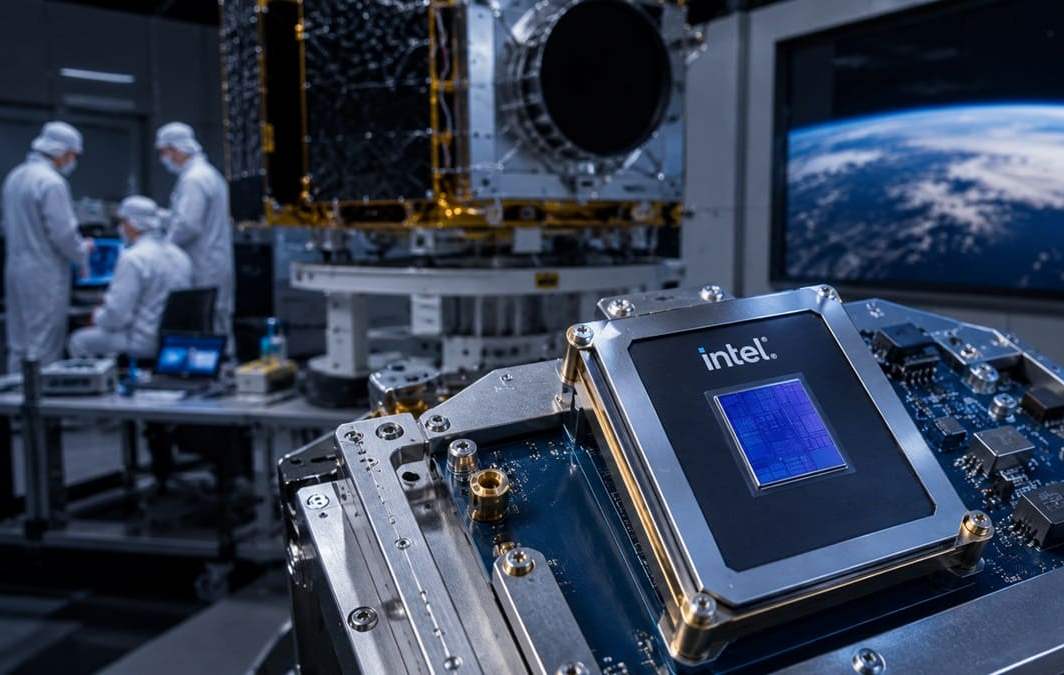
Intel's Starfire Processor: A New Era for Space Computing
According to ITC.ua — Техно: Intel has officially introduced its new 8-core Starfire processor, engineered specifically for spacecraft and systems operating under extreme environmental conditions. This chip features a hybrid architecture with 4 high-performance cores and 4 energy-efficient cores. Manufactured using Intel's cutting-edge 18A process node, the Starfire delivers a compelling balance of efficiency and raw performance. This launch marks a significant step in Intel's push into the specialized market for radiation-hardened and high-reliability computing, which is critical for modern space exploration.
Technical Specifications
The processor is paired with a three-block NPU, also built on the Intel 18A process. Its integrated graphics processor (iGPU) is fabricated on the Intel 3 node and includes 4 Xe cores with 64 compute units. In a low-power configuration, the P-cores run at 1.0 GHz, while the LPE-cores operate at 850 MHz. The iGPU frequency ranges from 800 MHz to 1.0 GHz.
- Total AI performance: 45 TOPS at a TDP of 10 W.
- In the enhanced performance configuration:
- P-core frequency: up to 3.1 GHz
- LPE-core frequency: up to 2.1 GHz
- Graphics processor frequency: up to 2.0 GHz
- Total performance: up to 75 TOPS at a TDP of 35 W
The Starfire processor supports both LPDDR5 and DDR5 memory, along with 12 PCIe 4.0 lanes. It is designed to operate across a wide temperature range from -55°C to 125°C, making it ideal for harsh environments. Its projected service life exceeds 10 years, and radiation testing is currently ongoing. The first engineering samples are scheduled for release in the third quarter of 2023.
The introduction of the Starfire chip underscores Intel's commitment to advancing technologies capable of withstanding extreme conditions, which is particularly vital for space missions and other critical applications. This processor could become a key component in upcoming space programs where reliability and efficiency are paramount. With initial samples expected soon, the industry is eagerly anticipating the chance to test the new capabilities that Starfire promises to unlock.
Read also
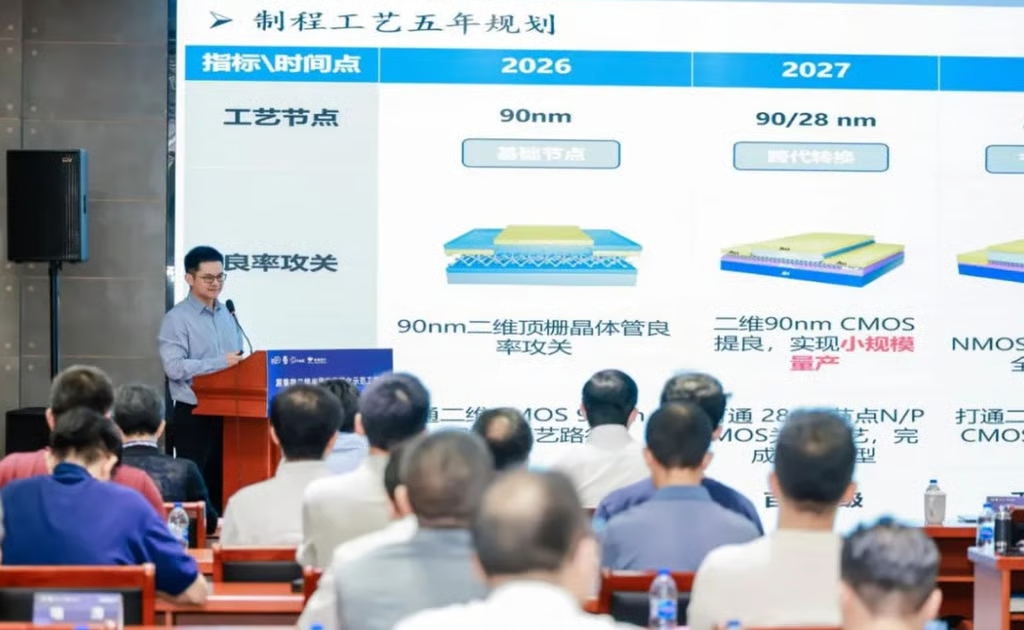
- First Global 2D Semiconductor Production Line Launched by Chinese Startup: What This Means for the Industry
- AMD Tests 8x MFG for Radeon GPUs: Frame Rates Jump from 60 to 480 FPS
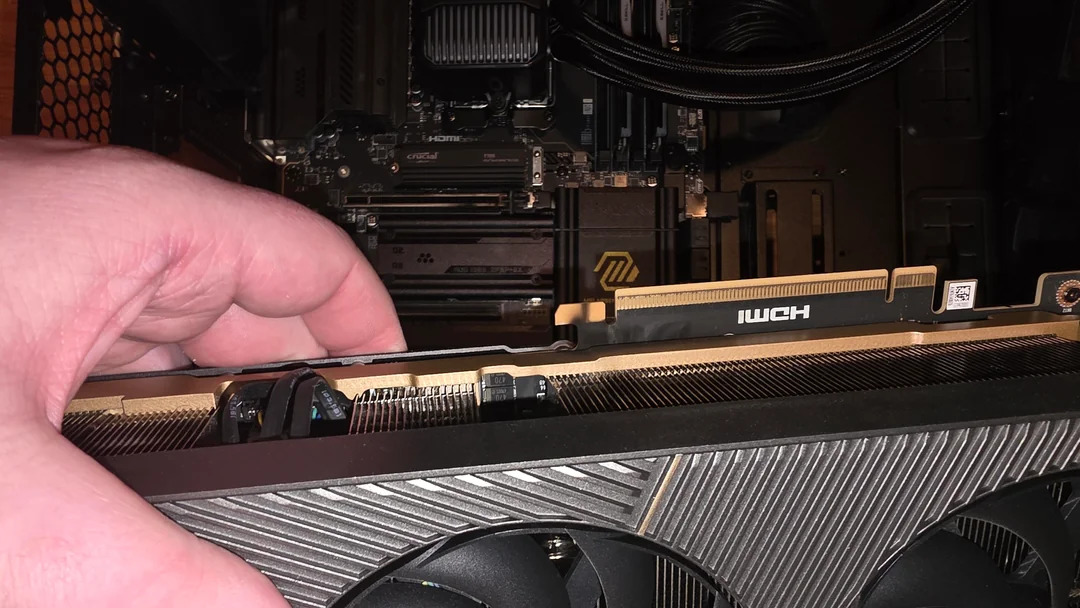
- RTX 5090 Explodes Within 5 Minutes of Gaming: Incident Details Revealed
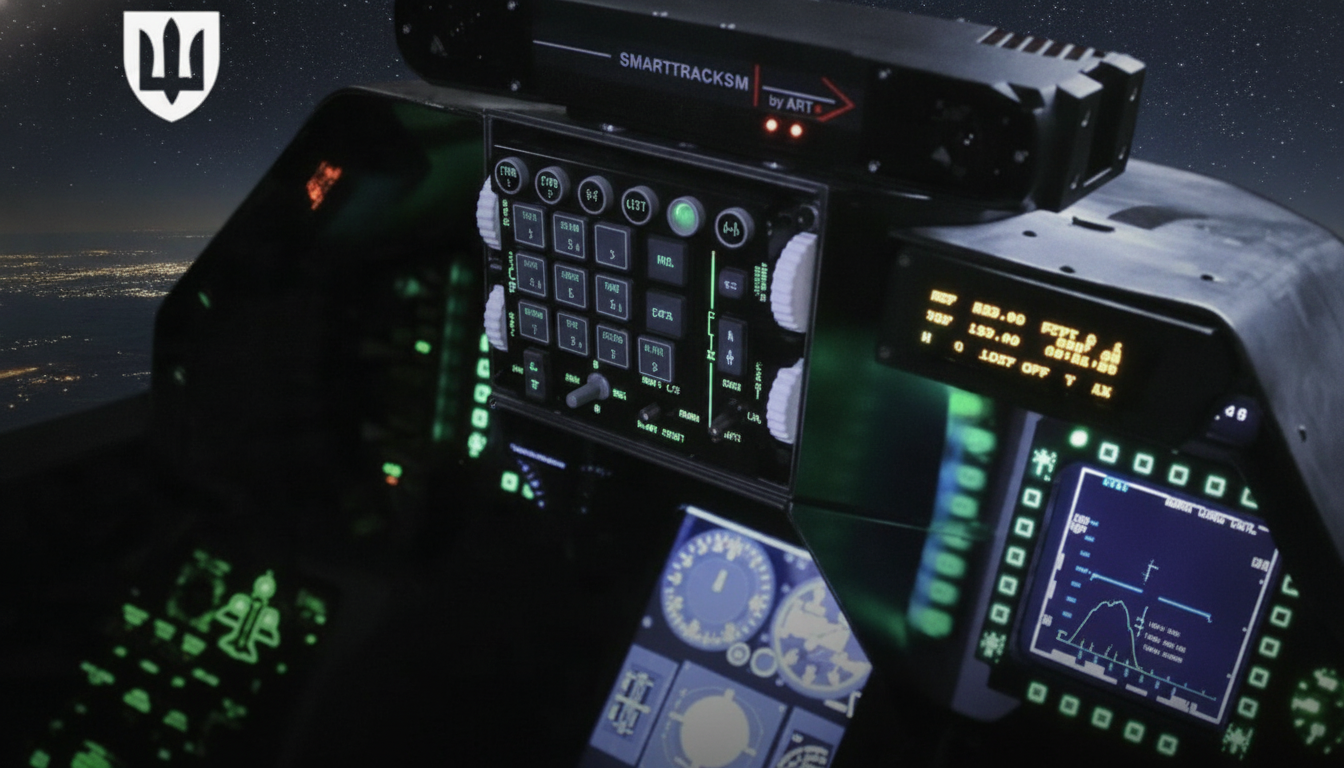
- New Batch of Mobile F-16 Simulators Arrives in Ukraine: How This Boosts Pilot Training
- Ukrainian Interceptor Rocket FP-7.X to Mirror Patriot Capabilities as Fire Point Launches European Freyja Program
- UK Pours £3.16 Million into Drone Interception: Inside the LEAP Project