From September 10, border rules for carriers will change: what has been canceled.

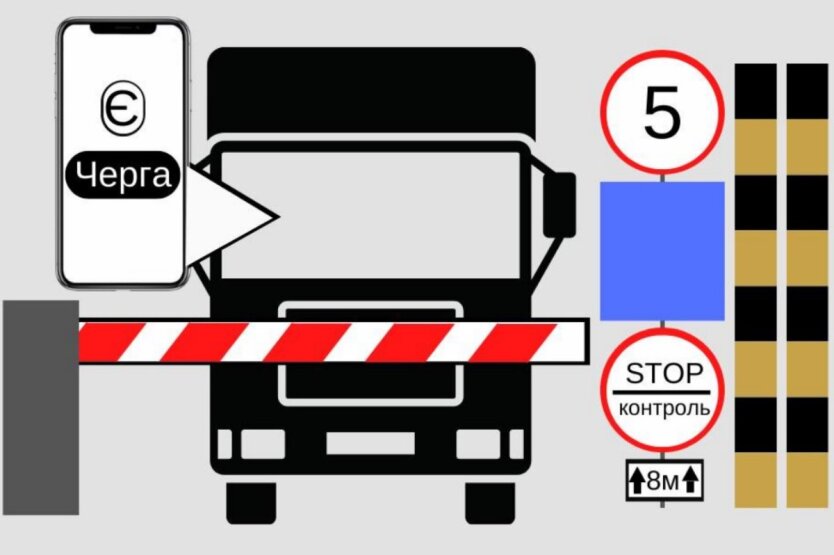
Changes in the border crossing rules for international carriers
According to inkorr.com: The Ministry of Communities and Territories Development has announced news regarding the procedures for booking a queue for commercial transport drivers with a license to exit. From September 10, the information will need to be entered only into the eQueue system, and the submission of application '18-60' (known as 'Shlyakh') will no longer be required.
From September 10, at 8:00 AM, when booking a spot in the queue for border crossing for drivers of licensed carriers, data must only be filled in the eQueue system. It is no longer necessary to create an application '18-60' (so-called 'Shlyakh').
Previously, to get into the queue, drivers first submitted an application to the '18-60' module, and then registered in the eQueue.
Simplifications for licensed carriers
Thanks to the new regulations, the registration of drivers in the eQueue system will be handled by the border service. This is expected to simplify life for carriers, as the eQueue will become the main channel for entering information about the exit of commercial transport drivers. For a successful border crossing, drivers must be registered in the electronic cabinet of the carrier in the EKIIS of Ukrtransbezpeka.
All official information about the licensed carrier is stored in the EKIIS of Ukrtransbezpeka, so the driver will be able to register in the eQueue system only if their data has been correctly entered into the carrier's cabinet.
Thus, from September 10, new rules for booking the queue for commercial transport drivers will be introduced, significantly simplifying the procedures for licensed carriers. Now they will only need to fill in information in the eQueue system, without unnecessary application '18-60' paperwork.
These innovations are expected to be an important step in modernizing the border crossing process for commercial transport. Simplifications in procedures will allow carriers to save time and focus on fulfilling their duties, improving overall operational efficiency. In particular, this could have a positive impact on international cargo transportation and contribute to the development of business in Ukraine.
Read also
- Ukraine Disrupts Russia’s Largest Oil Refinery and Targets Shadow Fleet: Escalating Pressure on Moscow’s Energy Sector
- Russia’s Oil Exports Hit Record Highs, but Revenues Shrink as Urals Prices Plummet
- Fuel Shortage Drives Record Search Spike: Russians Desperately Google 'How to Make Gasoline'
- Strike on Russia’s Largest Oil Refinery Raises Fears of Fuel Shortages
- Ukrainian drones halt Russia's largest oil refinery, worsening gasoline shortages
- Over 1,000 New Weapons Systems Fielded by Ukraine, with 90% Domestically Produced