EU plans to lend Ukraine 140 billion euros: what is known about plan B.


According to ТСН: In May 2024, the European Union decided to use the proceeds from frozen assets to support Ukraine. In November 2025, the Ministry of Finance of Ukraine announced the receipt of the last tranche of 4.1 billion euros as part of the ERA Loans initiative, launched by the G7 countries to generate $50 billion in loans based on the income from the frozen assets of the Central Bank of Russia. Since the beginning of 2024, Ukraine has received about $35 billion under this initiative.
Ukraine's Financial Challenges
In 2024, Russian frozen assets in Euroclear generated 6.9 billion euros in profit. However, in the first six months of 2025, the income increased only to 2.7 billion euros. This drop in income and the Trump administration's refusal of military and financial aid to Ukraine posed new challenges for the EU in seeking additional financial sources to cover both budgetary and military needs of Kyiv.
The European Commission proposed to provide Ukraine with a 'reparations loan' of 140 billion euros secured by frozen assets of the Central Bank of Russia in Euroclear. A decision on this issue will be made at the EU countries summit on December 19, but currently, there is no agreement from Belgium, where the Euroclear depository is located, as well as Hungary and other countries. The EU has already developed a 'plan B' in case Belgium cannot be persuaded.
Russian Assets Outside Europe
Frozen Russian assets are not only in Belgium. Overall, there are more than $260 billion in the USA, the UK, Japan, Germany, France, Canada, and other countries. Can Ukraine receive financial support from these assets?
US Position
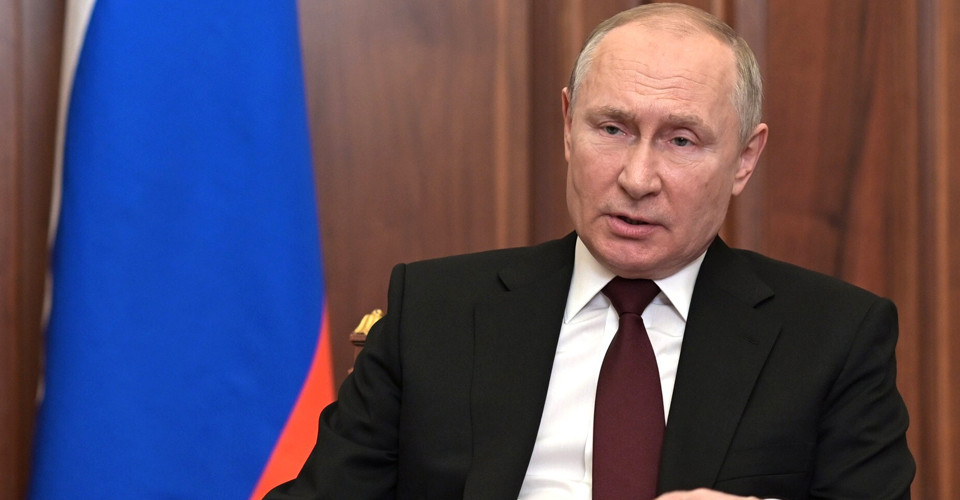
Gregoire Rus from Chatham House notes that Europe must realize: influence over Washington is bought not by principles, but by money. The US has taken steps to support the use of frozen assets to assist Ukraine, but recently, rumors have emerged about a 'peace' plan from Trump and Putin that envisions a different approach to the use of these assets.
Persuading Belgium on Reparations Loans
According to the Ukraine Support Tracker, since the beginning of the Russian invasion, G7 and EU countries have provided Ukraine with over $300 billion in financial aid. In conditions of declining support for Ukraine in the EU, European leaders must reach an agreement on providing further assistance from the aggressor's funds.
'This money should go to Ukraine. This is an intra-European issue, and I see no economic opportunity to transfer the funds we are involved in to the USA...', emphasized German Chancellor Friedrich Merz.
EU leaders face a challenge — persuading Belgium, which manages Euroclear, of the necessity for financial support, as the Belgian government fears possible legal actions from Russia if its assets are confiscated. The European Commission plans to invoke Article 122 of the EU Treaty to make decisions by majority.
The EC also has a 'plan B' in case Belgium refuses, with a possibility of raising funds in the capital market through the EU budget, which will allow Ukraine to cover budget deficits and procure weapons.
Countries with frozen assets can also create a fund to support Ukraine. As the Prime Minister of Belgium noted, 'the fattest chicken in Belgium, but there are also other chickens.' The main decision still depends on EU member states, as the military threat to Europe from Russia is increasing.
Thus, financial support for Ukraine remains critically important for the country amid ongoing aggression from Russia. Negotiations within the EU, as well as the issue of using frozen assets, are on the agenda, as it affects not only Ukraine's economic stability but also the overall security in the region.
Read also
- Trump sparks Kremlin confusion as Peskov and Zakharova contradict each other
- France and Poland Launch Nuclear Security Group: What It Signals for NATO
- Satellite Imagery Reveals Iran Reactivating Nuclear Sites After US Deal
- Nearly $3 Million Paid: U.S. Issues First Compensation for 'Havana Syndrome' Victims
- Russia’s Strategic Position Deteriorates as Ukraine Intensifies Counteroffensives: Frontline Analysis
- Zelensky Demands Accountability for Weapon Depot Placement in Vyshneve