EU Responds to Zelenskyy's Easter Ceasefire Proposal as New Sanctions Against Russia Are Discussed.

Ceasefire Proposal on the Table
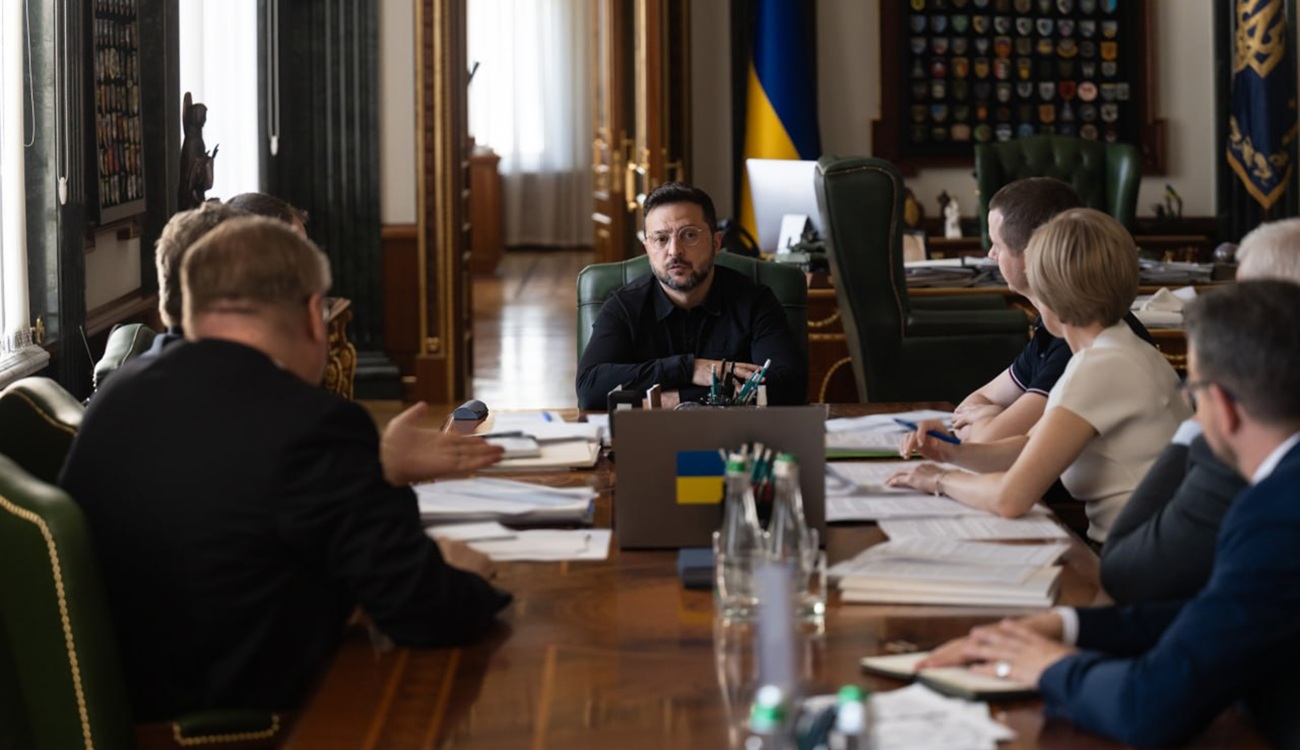
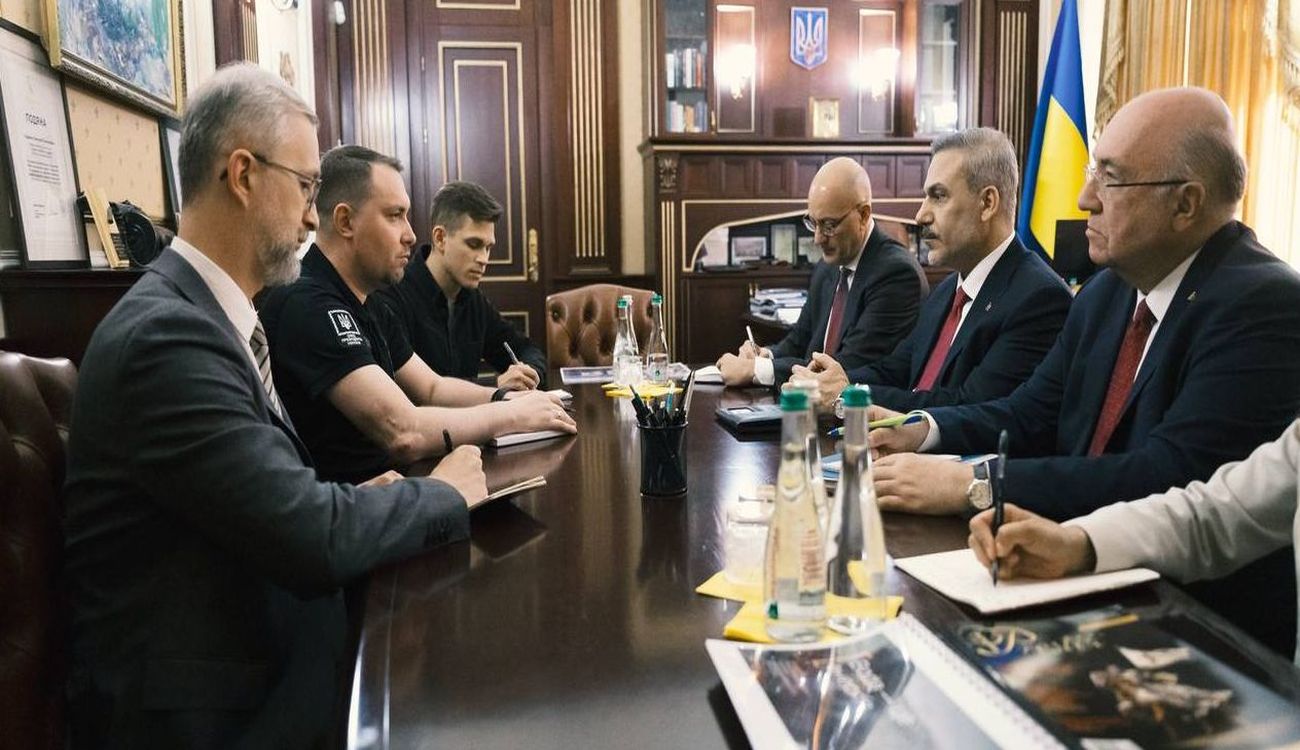
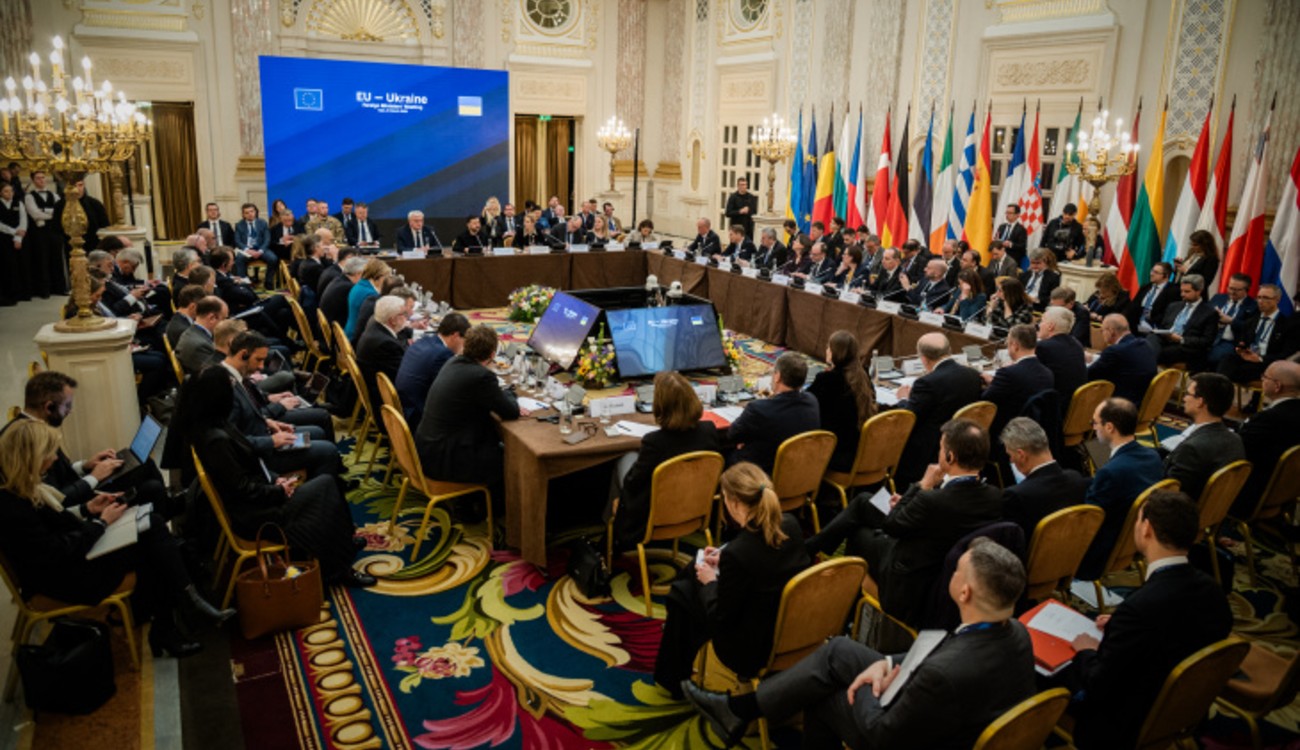
According to UATV: During a European Council session held in Kyiv, Ukrainian President Volodymyr Zelenskyy put forward a proposal for a ceasefire to coincide with the Easter holiday. EU foreign policy chief Kaja Kallas reaffirmed the bloc's backing for Ukraine and highlighted its critical role in global security. The discussions also covered collaboration with Gulf states and the introduction of additional sanctions targeting Russia.
Kallas, serving as the EU's High Representative for Foreign Affairs and Security Policy, reiterated Europe's support for Ukraine while stressing the country's significance in maintaining worldwide stability. According to Zelenskyy,
“Kyiv is pursuing diplomatic avenues to achieve a peaceful resolution”and
“Russia must not be allowed to win this war under any circumstances.”
Engagement with Gulf Nations
The council meeting also addressed Ukraine's partnership efforts with several Gulf countries, including:
- Saudi Arabia
- United Arab Emirates
- Qatar
- Kuwait
- Jordan
Kallas urged the United States to impose fresh sanctions on Russia, underscoring the need for sustained international solidarity with Ukraine amid the ongoing conflict.
This holiday ceasefire initiative aims to de-escalate tensions and establish humanitarian corridors for civilians. Ukraine's outreach to Gulf nations also reflects its strategy to broaden international ties and secure additional resources to counter aggression.
Overall, the European Council session marked a key milestone in reinforcing global backing for Ukraine and mapping out next steps to address the conflict. It highlights Ukraine's efforts to bolster security not only within its borders but on a global scale as well.
Zelenskyy's Easter ceasefire proposal could represent a significant move toward alleviating the humanitarian crisis stemming from the war. Cooperation with Gulf states may unlock new avenues for economic and political support, which is vital as hostilities persist. International pressure, particularly through sanctions on Russia, has the potential to shift the conflict's trajectory and improve the prospects for a negotiated peace.
Read also
- New Phase in Ukraine-Poland Ties Announced by Zelensky: What Lies Ahead
- Zelensky Breaks His Own Pledge: How the President Undermined Constitutional Order
- Temporary SBU Chief Appointed by Zelensky: Who Took the Role
- New Interim Leaders Appointed for Ukraine’s Security Service and National Police by President Zelenskyy
- Ukraine's Zelenskyy thanks US for new bill tightening sanctions on Russia
- Zelenskyy Assigns Key Economic Tasks as Oleksii Sobolev Joins Presidential Office