Over Ten Nations Seek Ukraine’s Help Against Iranian Drones, Zelensky Offers Expertise.

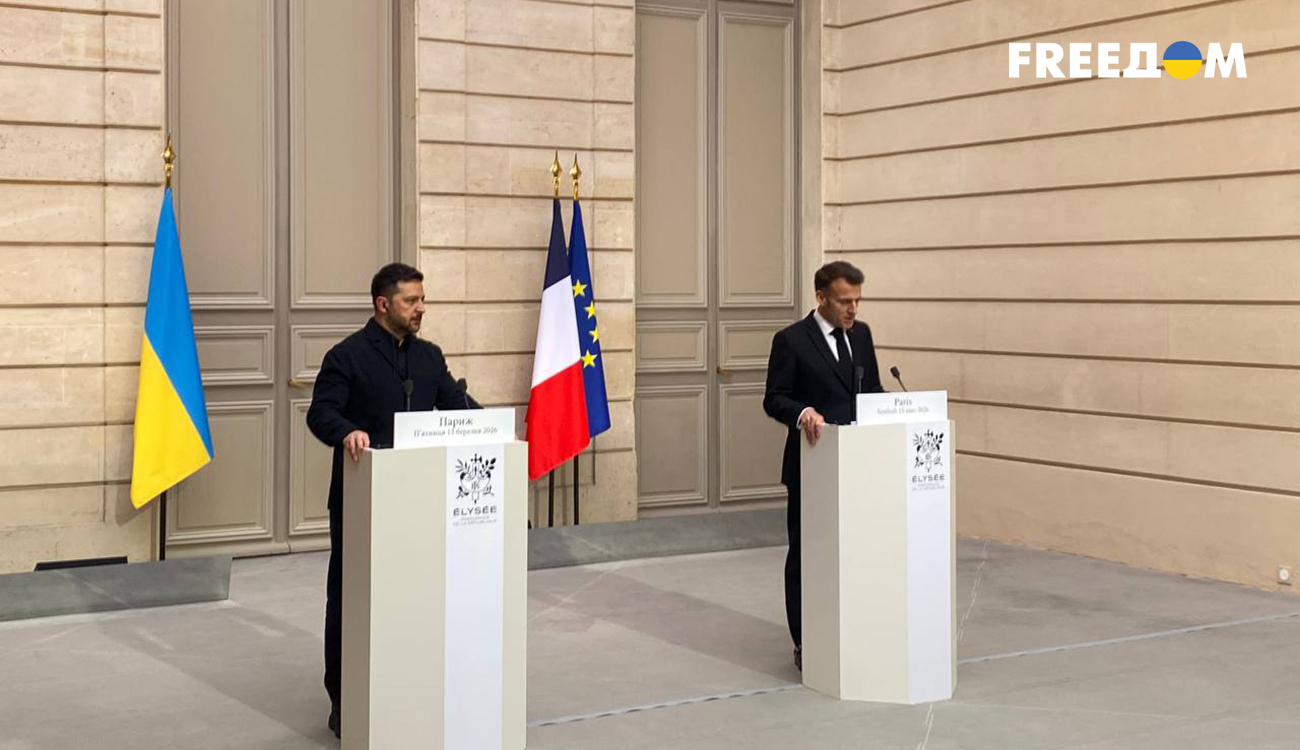
Statement by Ukrainian President Volodymyr Zelensky
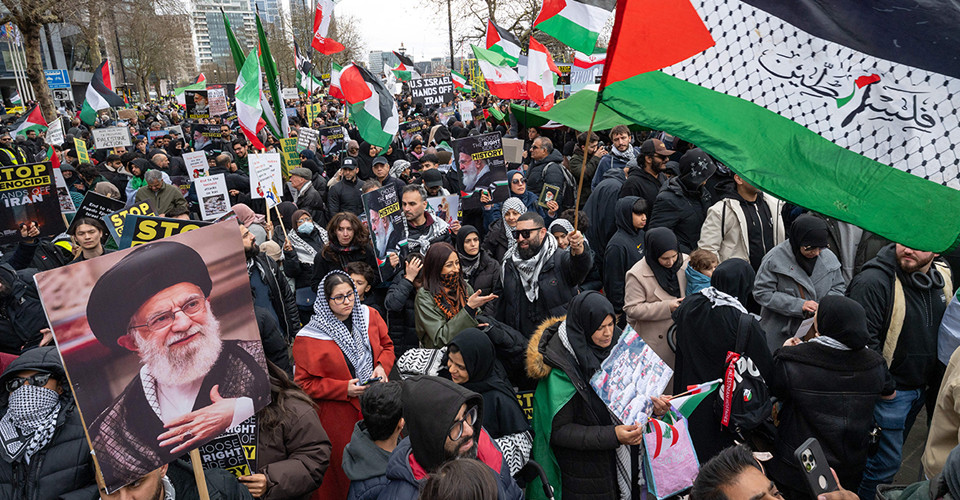
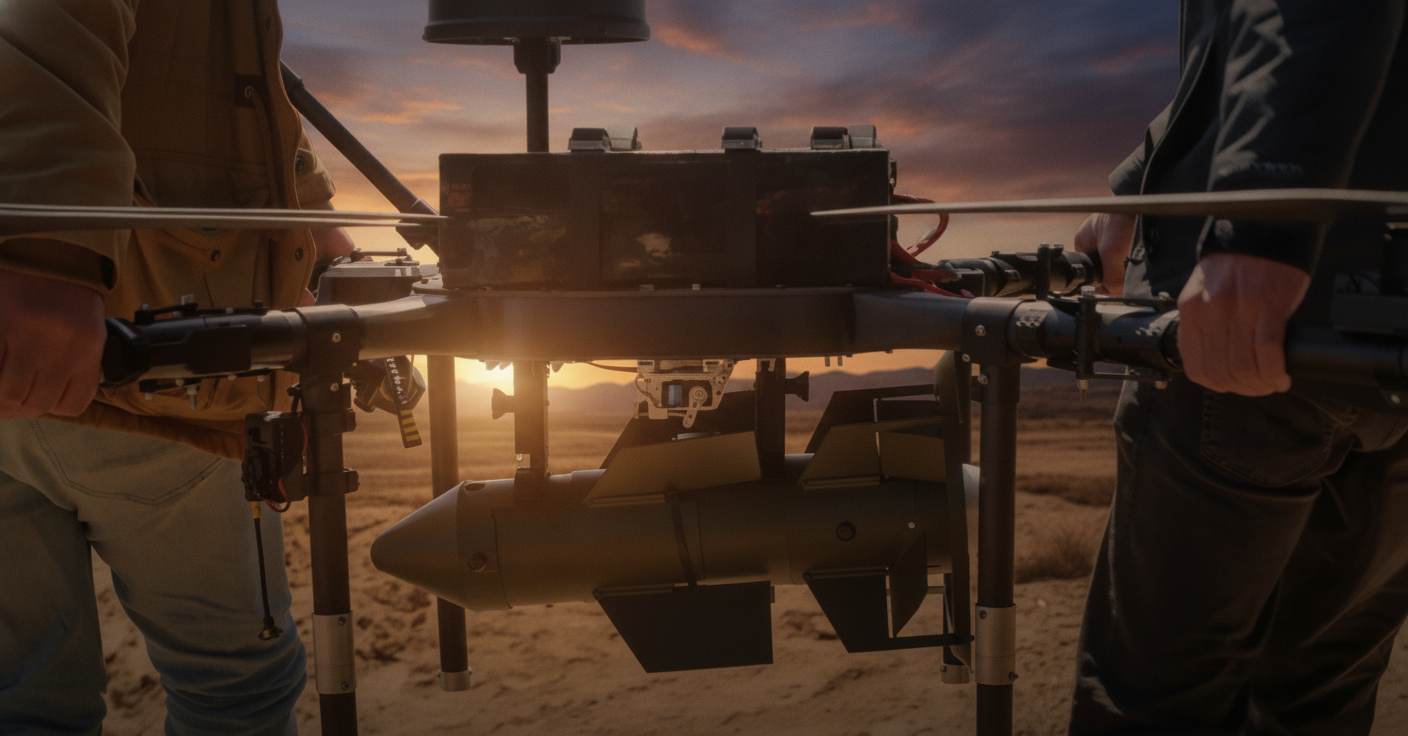
According to UATV: On March 13, Ukrainian President Volodymyr Zelensky called for stabilizing the situation in Iran and proposed that Ukraine assist countries threatened by Iranian 'Shahed' drones. Zelensky emphasized that more than ten nations have already reached out to Ukraine for support in defending against these unmanned aerial vehicles. He noted that Ukraine possesses the world’s most extensive expertise in countering Shahed drones.
“There may be different assessments of this American campaign against the Iranian regime, but it is hard to argue that this regime in Iran is terrorist.” - Volodymyr Zelensky
Zelensky also stressed the critical role of hands-on experience with interceptors, stating, 'It is not enough to simply obtain interceptors somewhere. There must be experience in using them. Our soldiers have that experience.'
Furthermore, the Ukrainian president confirmed the country’s readiness to share its know-how to ensure the security of partner nations that provide assistance to Ukraine:
“Ukraine is ready to share such experience for the safety of those partners who help us.” - Volodymyr Zelensky
Partnership with Romania
Notably, Ukraine and Romania have signed a strategic partnership declaration that includes joint drone production on Romanian soil. This agreement highlights the deepening defense and security cooperation between the two countries, which could help bolster regional stability.
Zelensky’s remarks reflect Ukraine’s growing role in international security matters, particularly concerning threats from Iranian drones. Engaging international partners in defense collaboration may prove vital for strengthening collective security in the region. The drone production deal with Romania underscores Ukraine’s commitment to active cooperation with neighboring countries to tackle shared challenges. This could represent a key step in ensuring stability in Eastern Europe and enhancing the region’s defensive capabilities.
Read also
- Zelenskyy Welcomes UK’s New Prime Minister: Who Is Andy Burnham?
- UK’s New PM Andy Burnham Pledges Ukraine Support in First Call with Zelensky
- Zelenskyy Meets Corps Commanders: What’s Changing for Ukraine’s Military Supply Lines
- Zelenskyy Holds First-Ever Corps Commanders Meeting at Supreme Headquarters: Key Outcomes
- Zelenskyy Holds Special Staff Meeting: Weapons and Gear the Army Needs Right Now
- Kremlin Plans to Draft Over 500,000; Men of Conscription Age Advised to Leave Russia Before Autumn