Ukraine's 2026 Winter: Surviving a Severe Energy Crisis Triggered by Russian Attacks.

The Winter of 2026: A Critical Test for Ukraine
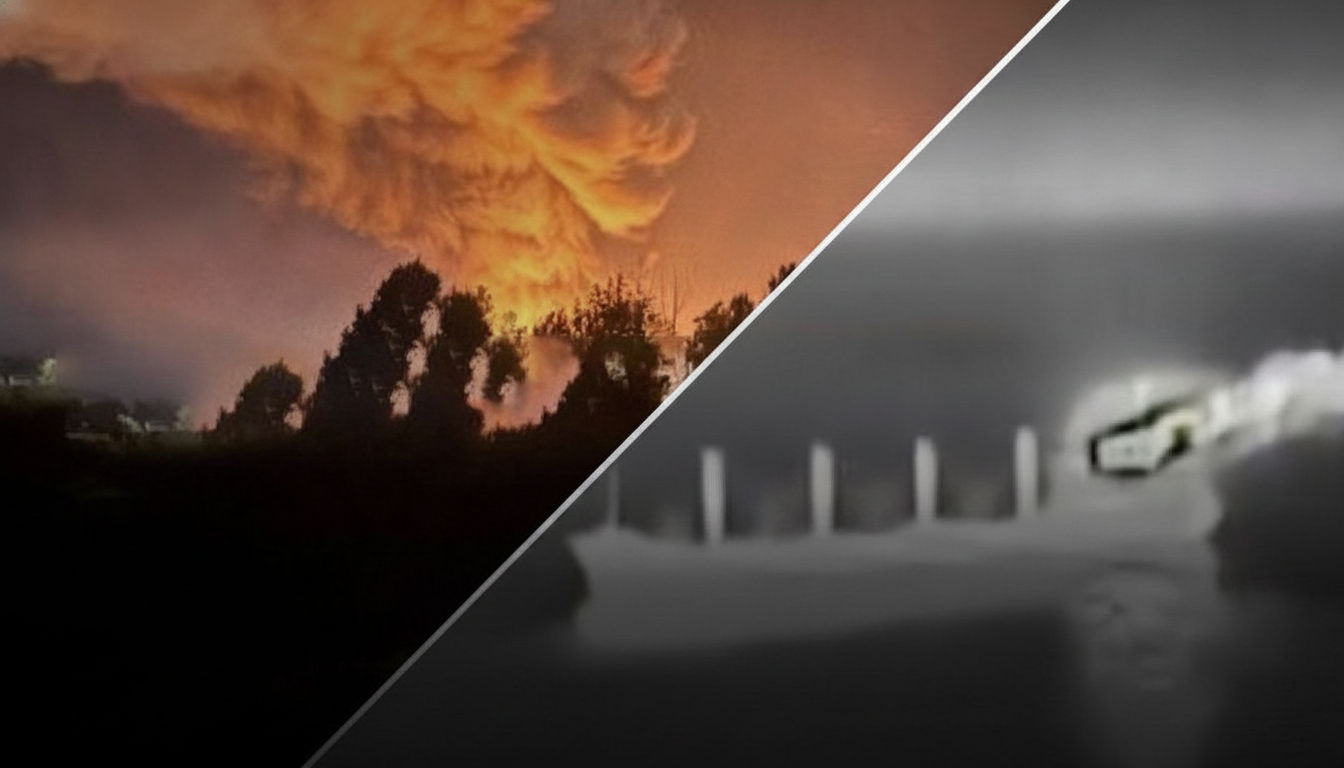
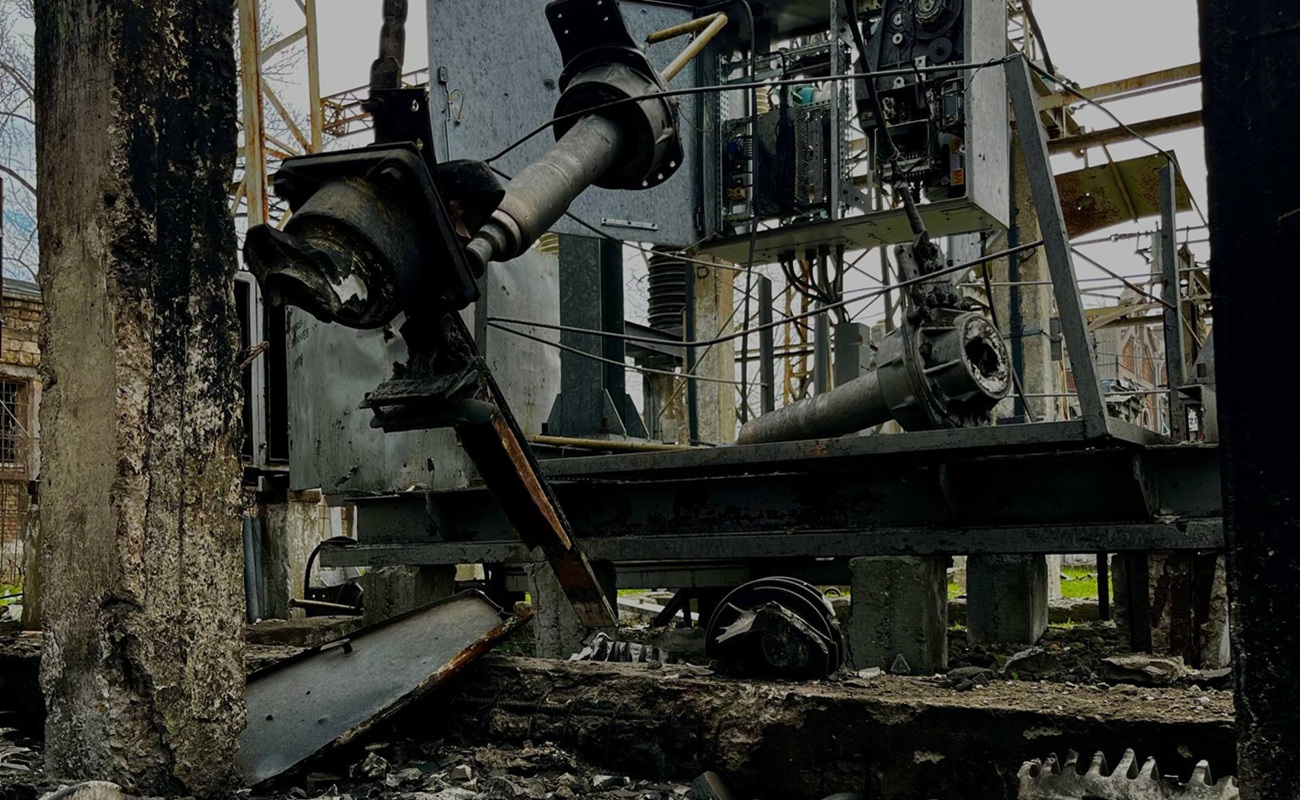
According to UATV: The winter of 2026 presented Ukraine with its most severe challenges in decades, stemming from relentless Russian assaults on its energy infrastructure. This campaign resulted in widespread power, water, and heating outages, creating a dire humanitarian crisis. The situation was drastically worsened by plummeting temperatures, which reached -20°C during the day and -30°C at night, pushing the civilian population to its limits. This period highlighted the weaponization of essential services in modern conflict.
In response to this emergency, Ukraine received crucial aid from international allies. Support included mobile boiler units, generators, and battery storage systems provided by several nations:
- Italy
- Bulgaria
- Denmark
- Romania
- Switzerland
This assistance demonstrated significant international solidarity in countering the effects of aggression and supporting Ukraine through an extreme period.
Economic Repercussions
Concurrently, the Ukrainian government has estimated that rebuilding its energy system will require over $90.5 billion in investment over the next decade. President Volodymyr Zelenskyy reflected on the season's severity, stating:
“This was the harshest winter in recent decades.”
For its part, the European Commission, led by President Ursula von der Leyen, announced the development of a new winter plan for 2026-2027. This strategy includes a 920 million euro package aimed at stabilizing Ukraine's energy grid.
The economic picture in Russia also grew increasingly strained. The Russian federal budget deficit for 2025 expanded to over 5.65 trillion rubles. As noted by expert El Carns:
“We are witnessing a disproportionate increase in casualties, and the economic situation in Russia is beginning to become quite unstable.”
Consequently, the winter of 2026 proved to be not only a profound ordeal for Ukrainians but also a serious challenge with ramifications for the wider region. The crisis underscored that the immediate impacts of warfare are compounded by long-term infrastructural and economic damage. Ensuring Ukraine's energy stability remains critical for preserving lives and societal function, while the extensive recovery plans point to the necessity of sustained international investment and cooperation to prevent similar catastrophes in the future.
Read also
- Zelensky Warns of Black Sea Grain Corridor Blockade as Ukraine Calls UN Security Council Meeting
- A 35-Minute Manila Meeting Between Rubio and Lavrov Puts Ukraine War at the Center of Talks
- Ireland Pledges €125 Million to Ukraine, with €100 Million Allocated for Defense Strengthening
- Ukraine and Raytheon Agree on Joint Production of Interceptors for Patriot Systems
- Syrskyi’s Criticism of Military Contracts: What Changes After His Dismissal
- Ireland Pledges €125 Million to Ukraine: What the New Aid Package Includes