Winter Storm Hernan Disrupts U.S. Air Travel, Canceling Over 5,000 Flights.

Major Winter Storm Hits the U.S.
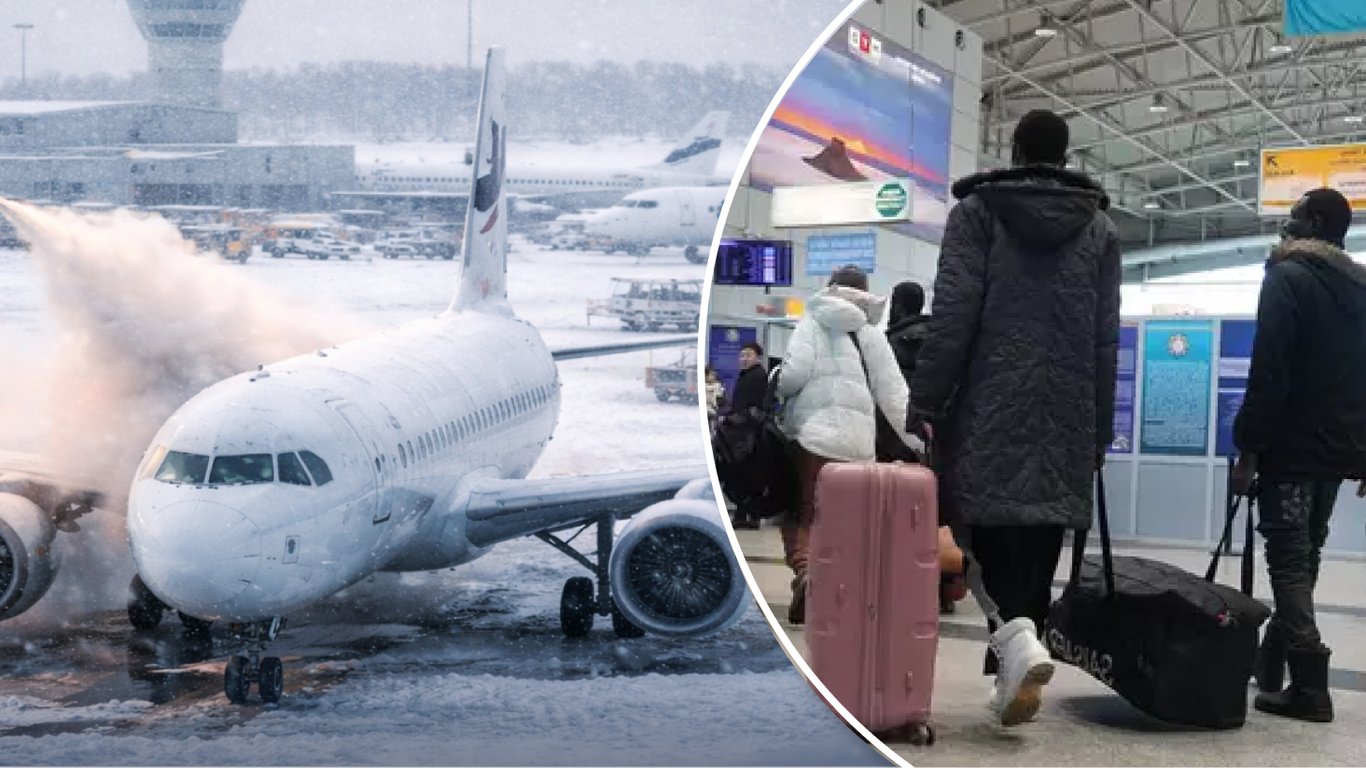
According to Novyny.live: A powerful winter storm named Hernan has severely disrupted air travel across the Western Hemisphere, leading to the cancellation of more than five thousand flights. The hardest-hit airports include those serving New York City, Boston, and Washington, D.C. This major disruption stems from heavy snowfall and powerful wind gusts battering North America's eastern seaboard, creating critical conditions for aviation.
Airport Operations Grind to a Halt
By Sunday, February 23rd, over 2,700 flights had been canceled, and that number surged to 3,500 for Monday. At Boston's Logan Airport and New York's LaGuardia, up to 80% of departing flights were scrapped, causing immense difficulties for travelers. Forecasts predict some regions could receive up to 60 centimeters (nearly two feet) of snow, with wind gusts potentially exceeding 60 km/h (37 mph), further complicating recovery efforts.
A full restoration of normal flight schedules is not expected before Tuesday at the earliest. Travelers who have missed connections are advised to contact their airlines directly for information on rebooking and alternative travel options. Given the severe conditions, passengers should exercise caution and anticipate significant delays. Winter storms of this magnitude are a stark reminder of how vulnerable modern air travel infrastructure can be to extreme weather.
Storm Hernan underscores the vulnerability of aviation infrastructure to extreme weather events, which are becoming increasingly frequent due to climate change.
These widespread cancellations cause more than just passenger inconvenience; they also result in substantial economic losses for airlines and the broader tourism industry. It is crucial for aviation companies and airports to develop and implement effective response plans to mitigate the impact of such disruptive events in the future.
Read also
- Two Cities Under Fire: Civilian Deaths and Injuries in Nikopol and Chernihiv
- Ten Killed as Foreign Cargo Ship Sinks in Black Sea After Russian Missile Strike
- A Russian drone-missile strike on Kharkiv with a 'Banderol' weapon has left one woman dead and more than 16 people injured
- Romanian F-16 Shoots Down Drone Over National Airspace: Key Details on the Incident
- Zaporizhzhia Bombing: 30 Wounded, Including Seven Children, After Russian Airstrike
- Two Wounded, Furniture Store Damaged in July 24 Strike on Odesa