288 Russian Soldiers Killed in a Single Assault: Moscow’s Losses Outpace Recruitment Efforts.

Ukraine Frontline Update
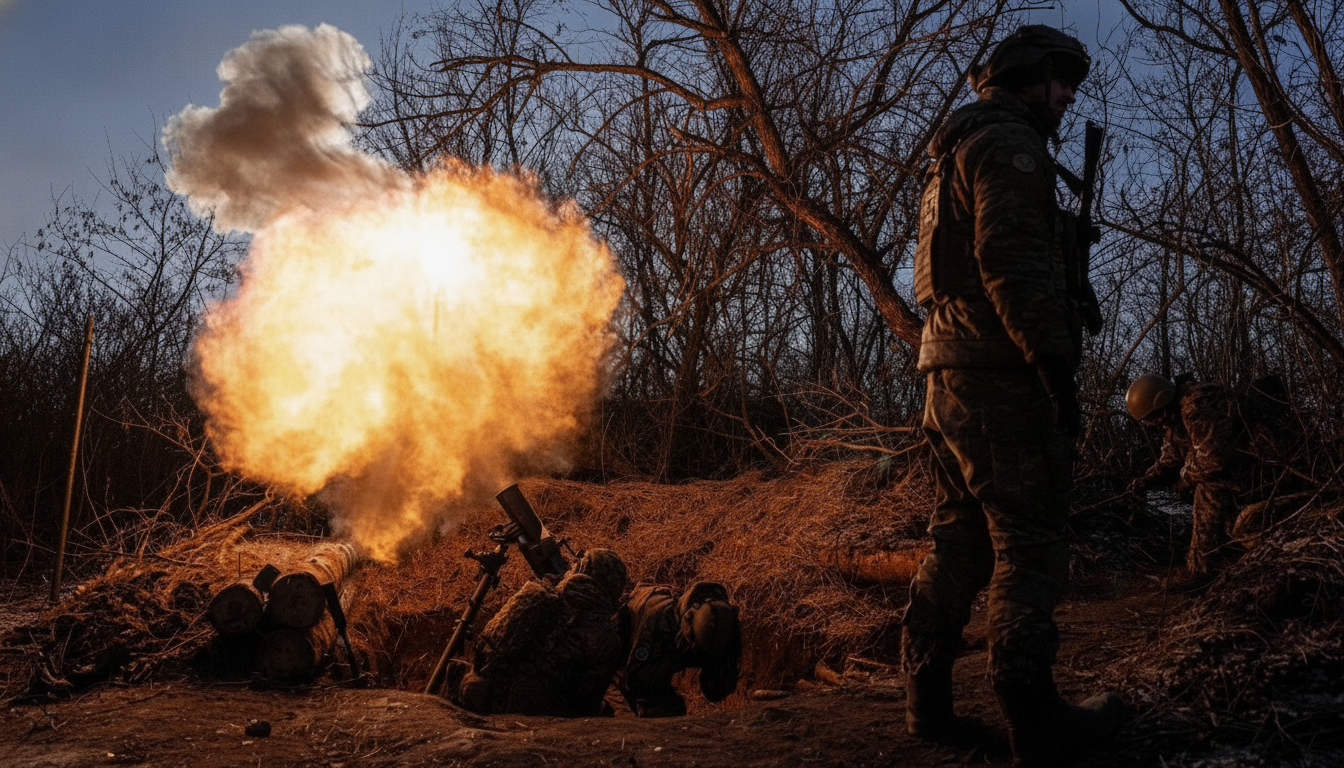
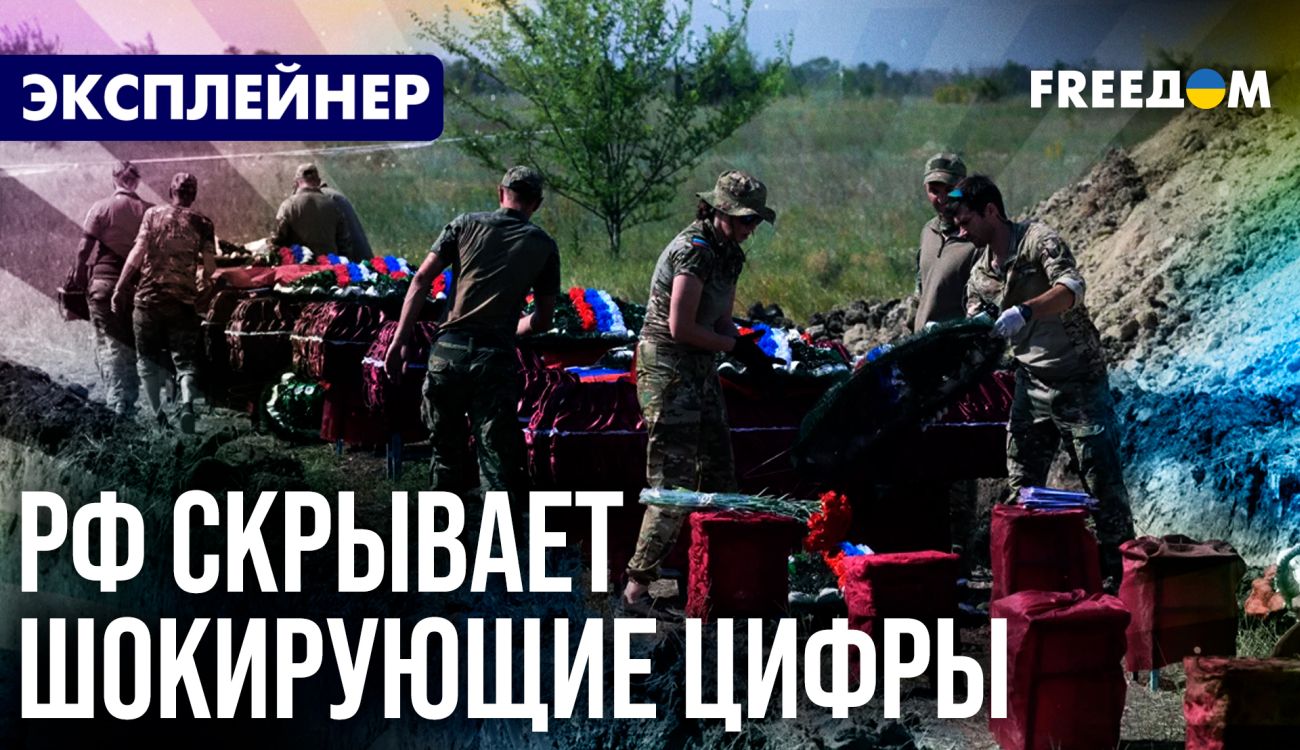
According to UATV: The situation on the frontline in Ukraine remains intense, with Russian forces conducting offensive operations that come at a heavy cost. Between March 17 and 20, 2026, Russian troops suffered over 6,000 casualties, including both killed and wounded. During an assault on Ukrainian positions on March 19 near the Lyman direction in Donetsk, Moscow deployed more than 500 infantry troops. The attack failed, resulting in 405 Russian casualties, with 288 killed beyond recovery. Additionally, the Russian army lost significant equipment: 84 motorcycles and other light vehicles, 11 infantry fighting vehicles and armored personnel carriers, and three tanks.
Losses and Information Restrictions
Against this backdrop of combat, analysts note that over the past three months, the Russian military has been suffering greater losses than it can replace through recruitment. Monthly casualties are estimated between 30,000 and 35,000 personnel. Meanwhile, in March 2026, 67 Russian federal subjects reported a halt to mobile internet services, highlighting issues in the country’s information technology sector. In response, 72 regions introduced so-called 'white lists' of approved websites, likely an attempt to manage the flow of information.
Experts point to a deteriorating situation for Russian forces.
'Exhausted, poorly trained, and overburdened with tasks, Russian troops on the Slavyansk axis will likely further limit their advances in this area.' — Institute for the Study of WarMajor General Oleksandr Syrskyi also confirms that 'this trend emerged in December and continues to this day.' At the same time, Russian Telegram channels report instances where air defense forces mistook their own aircraft for Ukrainian drones, leading to friendly fire incidents.
In summary, the situation on the frontline in Ukraine remains complex, marked by active combat and significant losses on both sides. The ongoing conflict may trigger further shifts in military strategy and information control. The high casualty rates among Russian troops point to potential problems in command and training, which could affect the overall course of hostilities. Given the information restrictions inside Russia, these developments may also reflect the government’s efforts to shape narratives and prevent public panic.
Read also
- Russia Seeks to Widen Combat Zones: Ukraine Stands Up Three New Brigades
- Syrskyi’s Criticism of Military Contracts: What Changes After His Dismissal
- Zelenskyy Confirms Fedorov and Syrskyi Will Stay: Who Remains in the Presidential Team
- Ukraine’s Military Leadership Shake-Up: Zelenskyy Appoints Drapatiy as New Commander-in-Chief and Skybyuk as Chief of General Staff
- Ukrainian Military Leadership Shake-Up: Who Steps In as New Commander-in-Chief?
- Ukrainians' Trust Rankings: Zaluzhnyi Leads, Zelenskyy Loses Ground