Trump blamed by 80% of Americans for rising inflation as Iran conflict erodes Republican support.

American public turns against the war with Iran
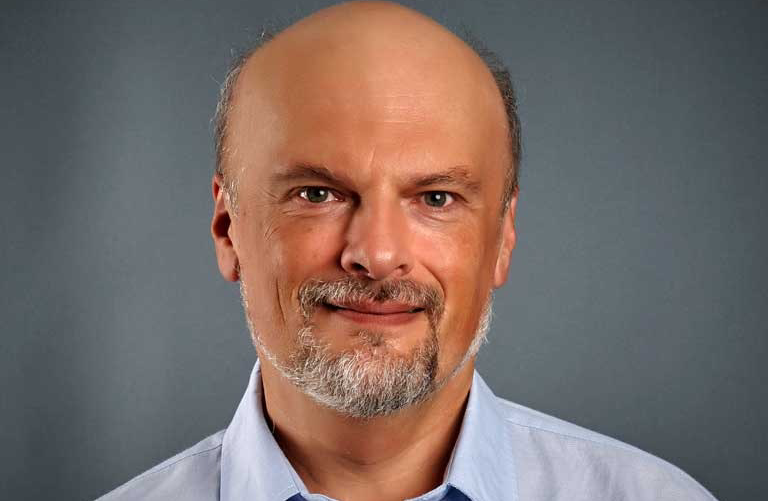
According to Espreso.tv: Professor Igor Eisenberg has weighed in on the growing disapproval among Americans regarding the conflict with Iran, highlighting increasing discontent over its consequences. According to Eisenberg, from the very beginning, a vast majority of Americans have strongly opposed this war. This sentiment could significantly impact the upcoming midterm elections and potentially cost the Republican Party dearly.
Polling data reveals that 80% of Americans hold President Donald Trump responsible for the surge in inflation and consumer prices in the United States. Eisenberg pointed out that Trump promised to bring prices down, yet the opposite has occurred:
“Prices are rising. He promised to end endless wars—and started a new one.” – Igor Eisenberg
These issues have become especially pressing since February 28, 2026, when the U.S. and Israel launched strikes on Iran as part of Operation 'Epic Fury,' during which Iran's Supreme Leader Ali Khamenei was killed. The situation in the Middle East continued to escalate, and on April 13, the U.S. imposed a full naval blockade on Iranian ports. Just days later, on April 17, a ceasefire was reached, but by April 18, Iran had regained control of the Strait of Hormuz.
Political fallout in the United States
Amid rising tensions, Eisenberg noted that Trump, while commenting on the economic situation at the White House, remarked that he 'loves inflation.' These words only underscore the precarious position in which the president and his administration now find themselves.
American disapproval of the war with Iran, combined with escalating inflation, is likely to reshape the political landscape in the U.S. With midterm elections approaching, pressure on the Republican Party is mounting as voters grow increasingly concerned about international conflicts and their economic repercussions. The situation remains fluid, and how the public reacts to government and presidential actions could define the country's political direction in the months ahead.
Read also
- Iran Blockades the Strait of Hormuz: Houthis Shut Down Bab el-Mandeb in 2026
- Khamenei’s Funeral Procession Reaches Iraq: Supreme Leader’s Coffin Taken to Shia Holy Sites
- Hundreds of Thousands Gather in Iran for Khamenei’s Funeral: July 4 Date Was No Coincidence
- Iran’s New Supreme Leader Mojtaba Khamenei Still Missing from Public View: What’s Going On?
- The $40 Billion Price Tag of America's War with Iran: How It Hit U.S. Households
- Trump Signs Landmark Deal with Iran: Ceasefire, Sanctions Relief, and Nuclear Terms Take Center Stage