A Conservation Crisis: Over 88% of North America's Insects and Spiders Lack Protection.

Study Reveals Widespread Lack of Safeguards for Arthropods
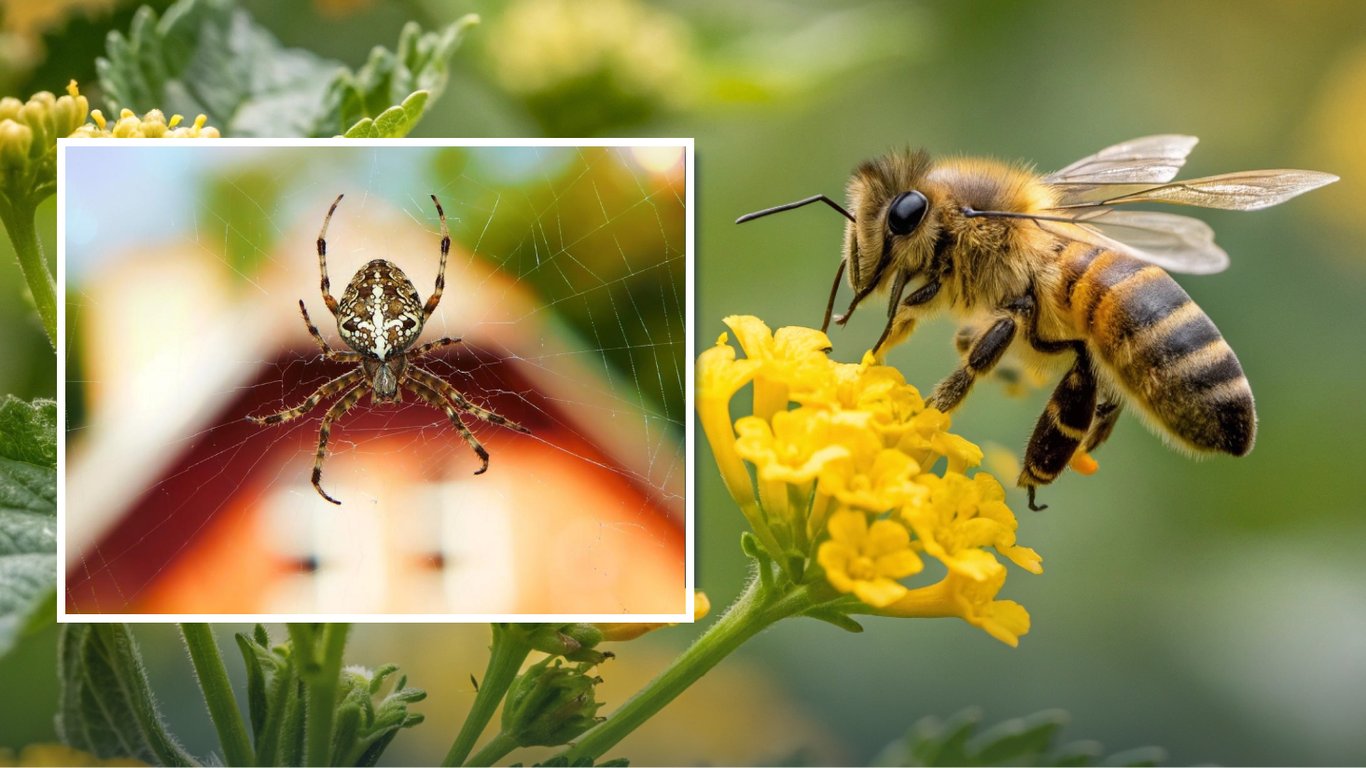
According to Novyny.live: A study from the University of Massachusetts Amherst has uncovered a deeply concerning trend: 88.5% of insect and spider species in North America have no formal conservation status. This finding raises major alarms for scientists and farmers alike, as the loss of these creatures could trigger severe agricultural problems, including reduced crop yields and the unchecked spread of pests. Insects form the foundation of many food webs, making their decline a systemic threat.
Led by ecologist Laura Figueroa and Wes Walsh, the research points to several key drivers behind the shrinking populations of these arthropods. The primary contributing factors include:
- Intensive pesticide use,
- Destruction of natural habitats,
- Climate change,
- Urbanization,
- Pollution of water and soil.
These forces combine to degrade ecosystems and accelerate the decline of these vital organisms.
The Far-Reaching Impact of Insect Loss
The disappearance of insects could have profound consequences, notably a drop in agricultural productivity leading to significant economic losses for the farming sector. Furthermore, a reduction in insect numbers may allow pest populations to surge, causing greater damage to crops. The loss of these species can also undermine soil fertility, negatively impacting the entire agricultural industry. This creates a dangerous feedback loop for food security.
Therefore, the state of insect and spider populations in North America is a serious cause for concern, and urgent action is required to ensure their preservation.
These results underscore the critical importance of protecting biodiversity and the urgent need to adopt sustainable agricultural practices.
Integrating ecological considerations into farming technologies can help mitigate the negative impact on insect and spider populations. This approach, in turn, can support the stability of the agricultural sector and preserve the natural ecosystems that are essential for sustaining life on our planet.
Read also
- Kyiv Electric Train Prices Increase from July 22: Fare Will Rise to 37 Hryvnias
- Russia Fines Residents for Storing Gasoline in Garages Amid Fuel Shortages
- Why Internally Displaced People in Ukraine Can't Get Mortgages: A Key Obstacle Identified
- Attacks on Ukrainians Surge in Poland: Hate Crime Numbers Jump 30%
- Civilian Casualties in Ukraine Hit Record Highs, UN Reports: A Closer Look at the Shift
- Fare rates for transportation in Kyiv have tripled: how the war is changing the transportation reality