Daily Battery Drain of Up to 15%: Why Always On Display May Not Be Worth It.

The Always On Display (AOD) Feature Under Scrutiny
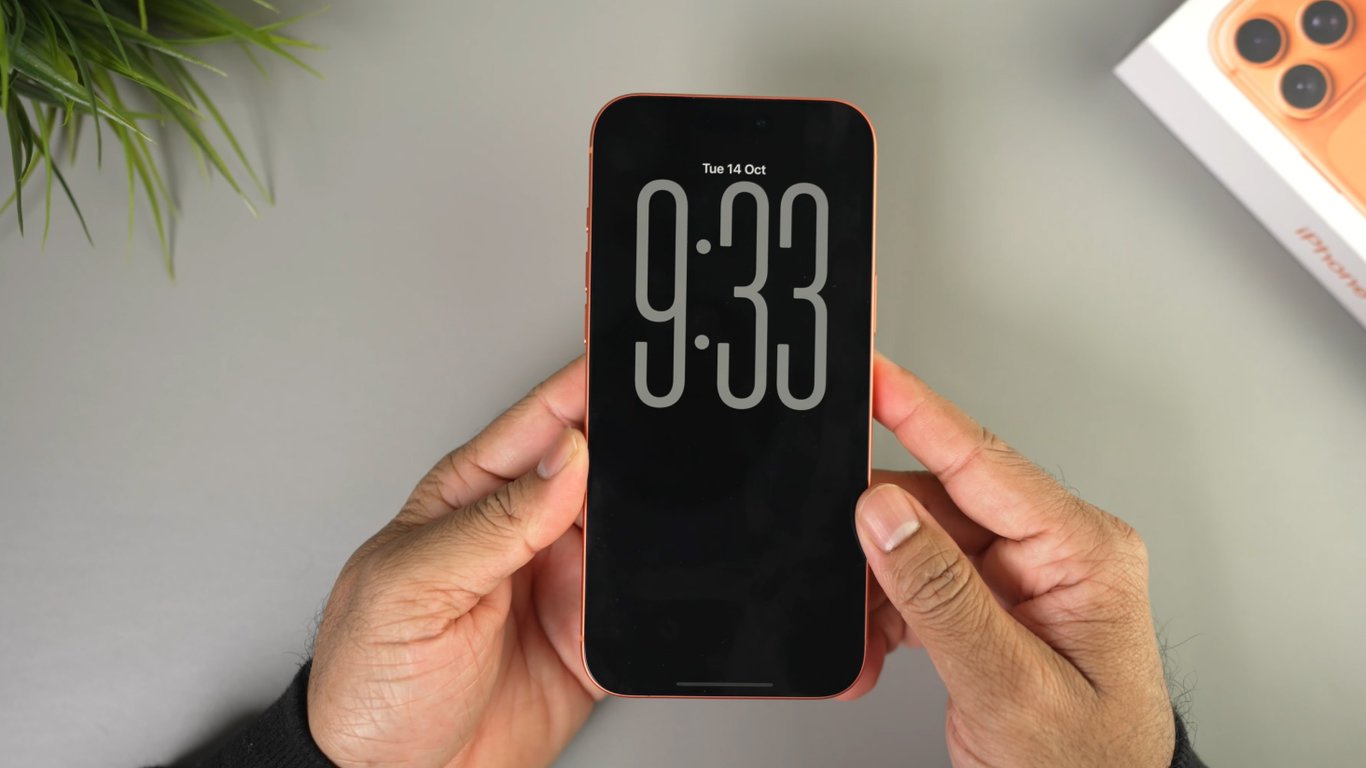
According to Novyny.live: More than a decade after its introduction, the Always On Display (AOD) feature on smartphones is facing growing skepticism about its real-world usefulness. While it allows users to glance at information without unlocking their device, the trade-offs are becoming harder to ignore—especially when it comes to battery life.
With AOD constantly active, daily battery loss can reach 10–15%. For example, a phone that normally lasts until evening with 30% battery remaining might end the day with just 15–20%. This level of energy drain is a serious concern for users who depend on their devices throughout the day.
Modern Screen Technology and Energy Efficiency
Today's LTPO displays, found in newer smartphone models, can drop their refresh rate to as low as 1 Hz to save power. Yet even with this advancement, AOD continues to consume energy—even when displaying dimmed wallpapers. This suggests the feature is not only suboptimal in terms of power efficiency but also fails to deliver meaningful benefits for most users.
Given these drawbacks, it's fair to say that Always On Display is often considered unnecessary for the average user. The downsides—especially battery consumption and limited practical value—tend to outweigh any potential advantages. This raises important questions about whether the feature is justified in today's technology landscape, where user needs and energy efficiency are top priorities.
As smartphone technology evolves and demands for better battery performance grow, manufacturers are under pressure to refine features like AOD. Consumers are becoming increasingly aware of how their devices use power, which could influence their future purchasing decisions. This trend may push companies to develop more energy-efficient alternatives that deliver similar functionality without the significant battery cost.
Read also
- A New Augmented Reality Platform Lets You Read and Build 3D Comics
- How Artificial Intelligence Is Unlocking Billions in Real Estate Value
- Ukraine’s Air Defense Gets a Boost: New 'Hot Dog' Drone Takes Down Over 300 Targets
- Windows That Generate Power Even at Night: A New Solar Innovation
- GE Aerospace’s Hybrid-Electric Aircraft Reaches 30,000 Feet in Key Test Flight
- Kyiv Officially Launches 5G: Coverage Areas and Speed Details Revealed