Ukrainians with Mobilization Deferrals Can Now Swap for Family Care Exemptions.

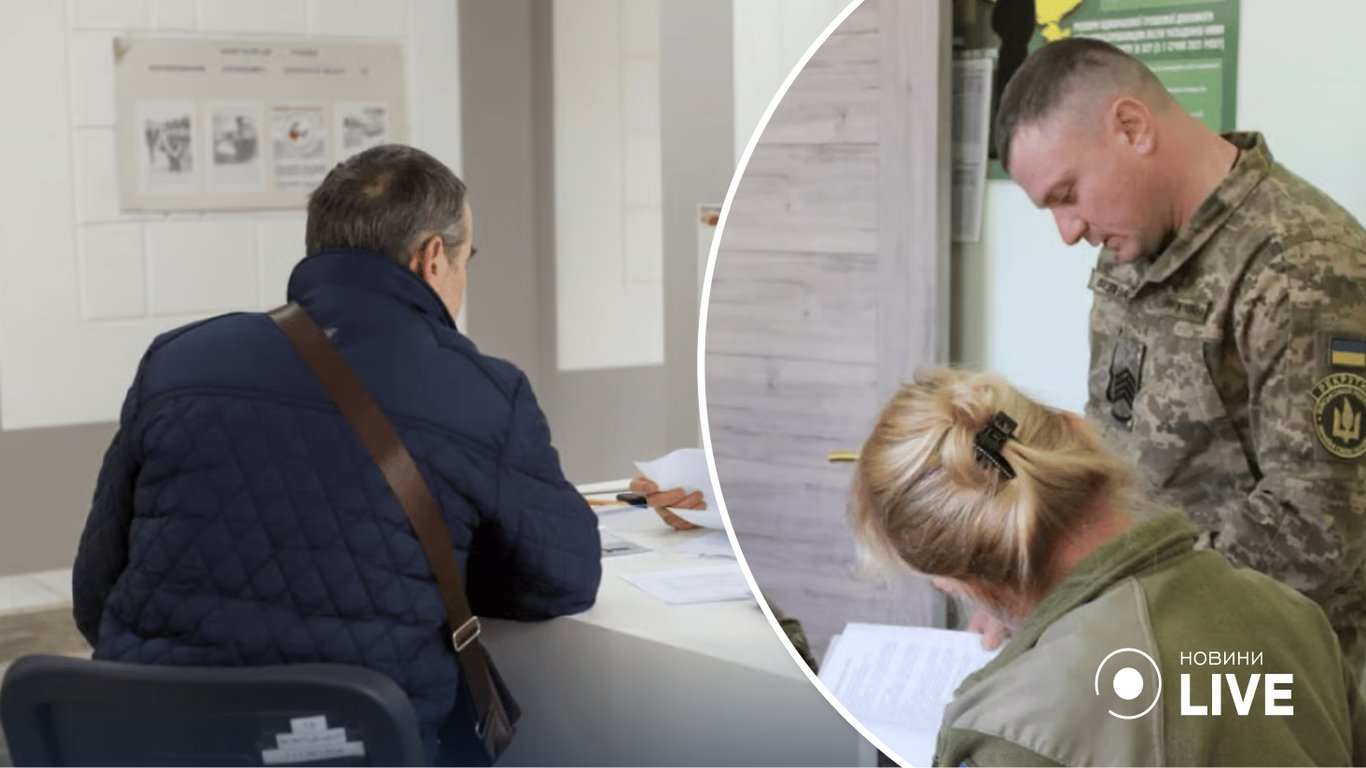
Switching from Deferral to Care Exemption: Is Notifying the Military Required?
According to Novyny.live: Ukrainian citizens who hold a reservation from military mobilization now have the option to exchange it for a deferral to care for a family member, without needing to first inform their local Territorial Recruitment Center (TRC). This policy change represents a significant step for those requiring support during the nationwide mobilization declared in Ukraine. The move aims to address family needs during the ongoing conflict.
Under current Ukrainian law, a general mobilization is in effect, granting citizens the right to either a deferral or a reservation from conscription. It is crucial to note that only one legal ground for avoiding mobilization can be applied at a time. This means individuals seeking a care-based deferral must adhere strictly to the established regulations.
Document Submission Process
Citizens can apply for this deferral through Administrative Service Centers (ASCs) or via the 'Reserve+' digital platform. This provides greater flexibility in choosing an application method and simplifies the process of obtaining the exemption.
At this point, I see no reason to inform the TRC and the Security Service.
— Viacheslav Kyryda, mobilization policy expert
Given such expert commentary, it appears citizens may experience uncertainty regarding the need to interact with military structures while processing a deferral application.
Consequently, the new rules for swapping a mobilization reservation for a family care deferral could substantially ease the burden for many Ukrainians in difficult circumstances. They gain the ability to exercise their right to a deferral without excessive bureaucratic hurdles, which is vital in the current national context. This adjustment reflects the state's effort to balance military needs with essential civilian responsibilities.
These legislative changes demonstrate the government's attempt to adapt to population needs during wartime. Streamlining the deferral process may help reduce social tension and provide support to those who must care for relatives. As practice shows, such initiatives can contribute to maintaining social stability amid the conditions of war and mobilization.
Read also
- Kyiv Electric Train Prices Increase from July 22: Fare Will Rise to 37 Hryvnias
- Russia Fines Residents for Storing Gasoline in Garages Amid Fuel Shortages
- Why Internally Displaced People in Ukraine Can't Get Mortgages: A Key Obstacle Identified
- Attacks on Ukrainians Surge in Poland: Hate Crime Numbers Jump 30%
- Civilian Casualties in Ukraine Hit Record Highs, UN Reports: A Closer Look at the Shift
- Fare rates for transportation in Kyiv have tripled: how the war is changing the transportation reality