Why Security Guarantees Failed Ukraine: The Budapest Memorandum's Lesson.

The Budapest Memorandum's Failure: Why Security Pledges Won't Shield Ukraine
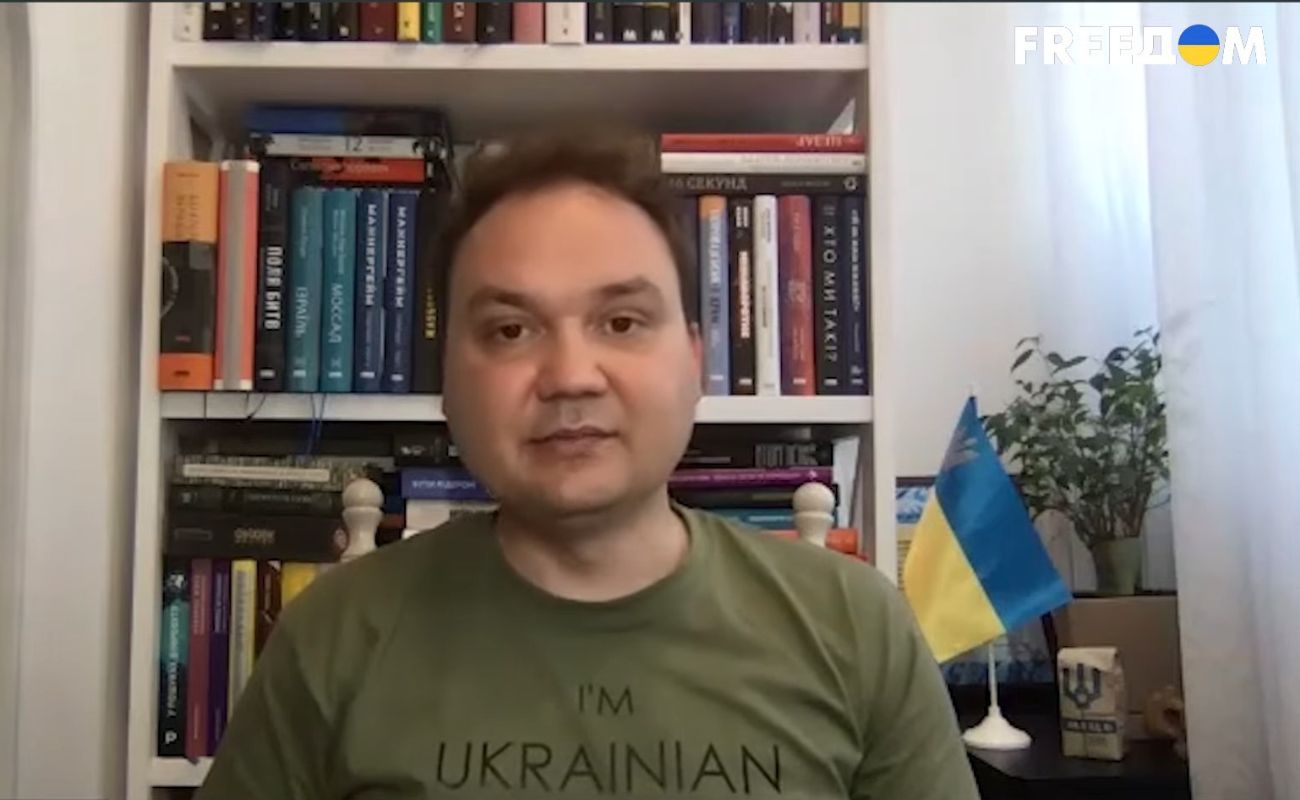
According to UATV: Military analyst Oleksandr Musiyenko argues that no security guarantees can protect Ukraine from another Russian attack. He points to the 1994 Budapest Memorandum, under which Ukraine gave up its nuclear arsenal in exchange for security assurances from the U.S., Russia, and the United Kingdom. This historical context is crucial for understanding the current skepticism toward international agreements. Musiyenko stresses that the only real security guarantee for Ukraine is a powerful Ukrainian army, which the country is constantly working to build.
The War's Status and Diplomatic Efforts
The war in Ukraine has now entered a phase of attrition. Negotiations involving Ukraine, the U.S., and Russia are taking place in Abu Dhabi, indicating active diplomatic efforts to resolve the conflict. Oleksandr Musiyenko notes that the Russian economy is declining rapidly, with the war significantly draining it for a number of reasons.
On the front, the war is increasingly shifting to a positional phase, with only minor advances by Russian troops. In this context, Musiyenko states:
'I think we simply do not need such guarantees from the Russian Federation.' Oleksandr Musiyenko
He adds that for Ukraine, 'the only security guarantee is a strong Ukrainian army, which we are constantly working on.'
Musiyenko is confident that intensive negotiations are currently underway and may prove successful. However, despite these diplomatic efforts, the question of the reliability of international security guarantees remains open. The ongoing conflict underscores a fundamental shift in European security architecture since the Cold War.
In the context of the continuing conflict, it is clear that international security guarantees, like those in the Budapest Memorandum, proved insufficient to protect the country from aggression. This highlights the necessity for Ukraine to develop its own defensive capabilities. As practice shows, in conditions of armed conflict, internal military strength and autonomy can be decisive for protecting state sovereignty. The diplomatic efforts continuing today may be important for achieving a lasting peace, yet the reliability of international commitments remains in doubt.
Read also
- Iran’s Foreign Minister Slams Trump Over Asset Seizure Plans, Calling It a Dangerous Precedent
- Rubio-Lavrov Meeting Leads U.S. to Conclude Ukraine Cannot Be Forced to Surrender
- Ukrainian Forces Strike Kirov’s Avitek Plant: Key Military Components Under Sanctions
- Ireland Hands Over Aluminum Probe to EU Amid Concerns Over Russian Defense Sector Risks
- A Vatican Meeting Shifted Zelenskyy’s Relationship With Trump: What Happened at St. Peter’s Basilica
- Russian Missiles Minutes from Berlin: Germany's Foreign Minister Issues Stark Warning