CBS Blocks Colbert's Interview with a Candidate: The Motives Behind the Decision.

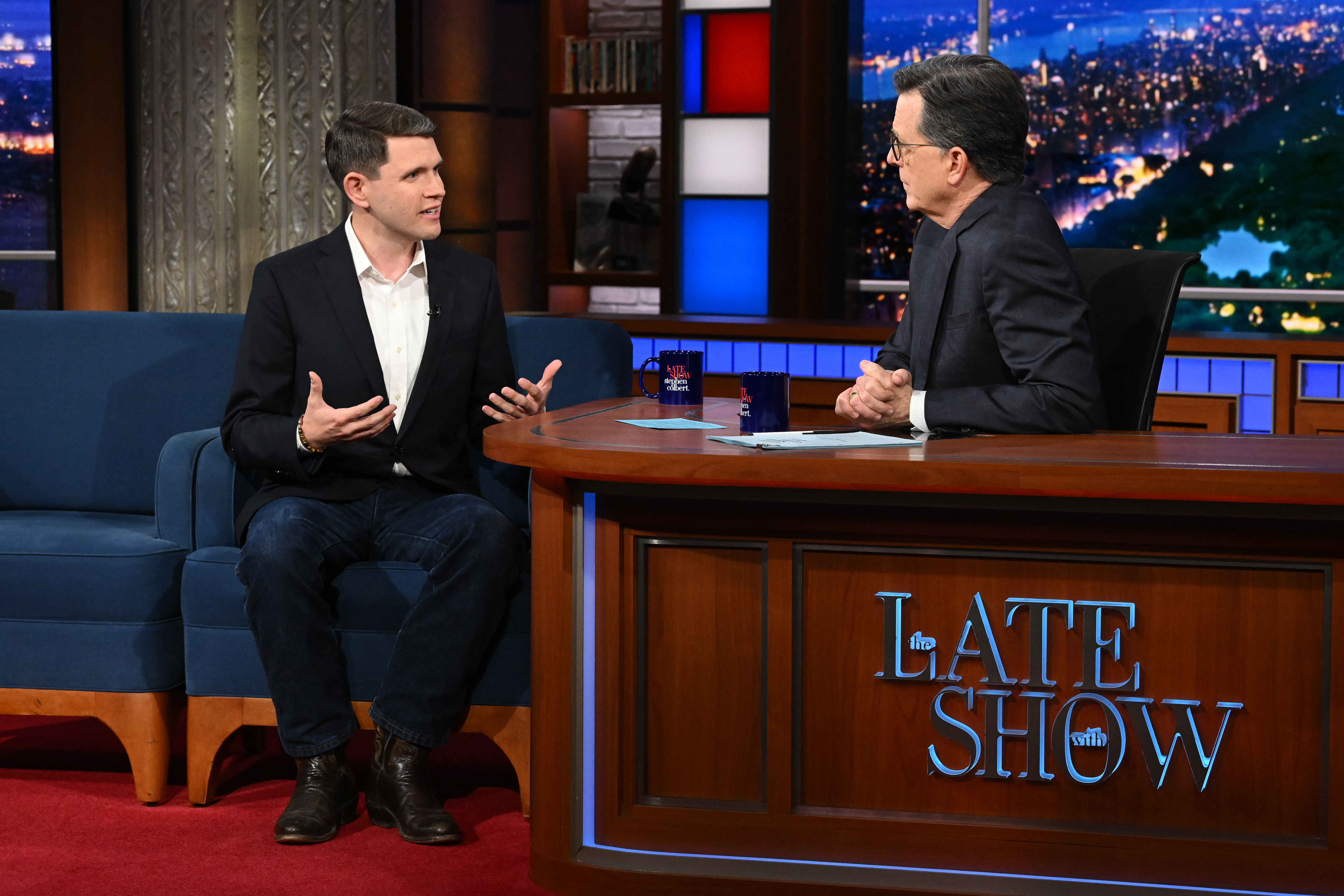
The Dispute Between Stephen Colbert and CBS
According to Vox - Загальний: Stephen Colbert has publicly stated that CBS prohibited him from airing an interview with Texas Senate candidate James Talarico on 'The Late Show.' Colbert emphasized the situation by saying, 'He was supposed to be here, but we were told we could not have him on the air.' This type of conflict between a popular host and a major network is rare and highlights the complex pressures on broadcast media during an election cycle. CBS has denied Colbert's account, asserting that 'this version of events is untrue' and that they only provided legal guidance.
This incident occurs against the backdrop of the FCC's 'equal-time' rule, which mandates that candidates for the same office receive comparable airtime. The Trump administration announced stricter enforcement of this rule in January, a policy shift that may have influenced CBS's decision-making process.
The Incident's Impact on the Election
Despite the broadcast ban, the full interview with James Talarico was published on the 'The Late Show' YouTube channel, where it has garnered over 5 million views. The controversy unfolds as early voting for the Texas primaries began this week, with the primary election itself scheduled for March 3rd. This timing underscores the critical role media exposure plays for candidates in the final stretch of a campaign.
Stephen Colbert: 'Let's just call this what it is: the Donald Trump administration wants to silence anyone who says anything bad about Trump on television.'
This case brings into sharp focus the essential role of media in the democratic process, particularly during elections when candidates rely on coverage to communicate their platforms. Blocking a televised interview can potentially skew public awareness and influence electoral outcomes. In today's political climate, where media is a central battleground, such incidents inevitably spark broader debates about free speech, regulatory frameworks, and corporate caution in broadcasting.
Read also
- Kyiv Electric Train Prices Increase from July 22: Fare Will Rise to 37 Hryvnias
- Russia Fines Residents for Storing Gasoline in Garages Amid Fuel Shortages
- Why Internally Displaced People in Ukraine Can't Get Mortgages: A Key Obstacle Identified
- Attacks on Ukrainians Surge in Poland: Hate Crime Numbers Jump 30%
- Civilian Casualties in Ukraine Hit Record Highs, UN Reports: A Closer Look at the Shift
- Fare rates for transportation in Kyiv have tripled: how the war is changing the transportation reality