ChatGPT Health: How Artificial Intelligence is Changing Medical Consultations and What is Wrong with It.

ChatGPT Health: How Artificial Intelligence is Changing Medical Consultations and What is Wrong with It
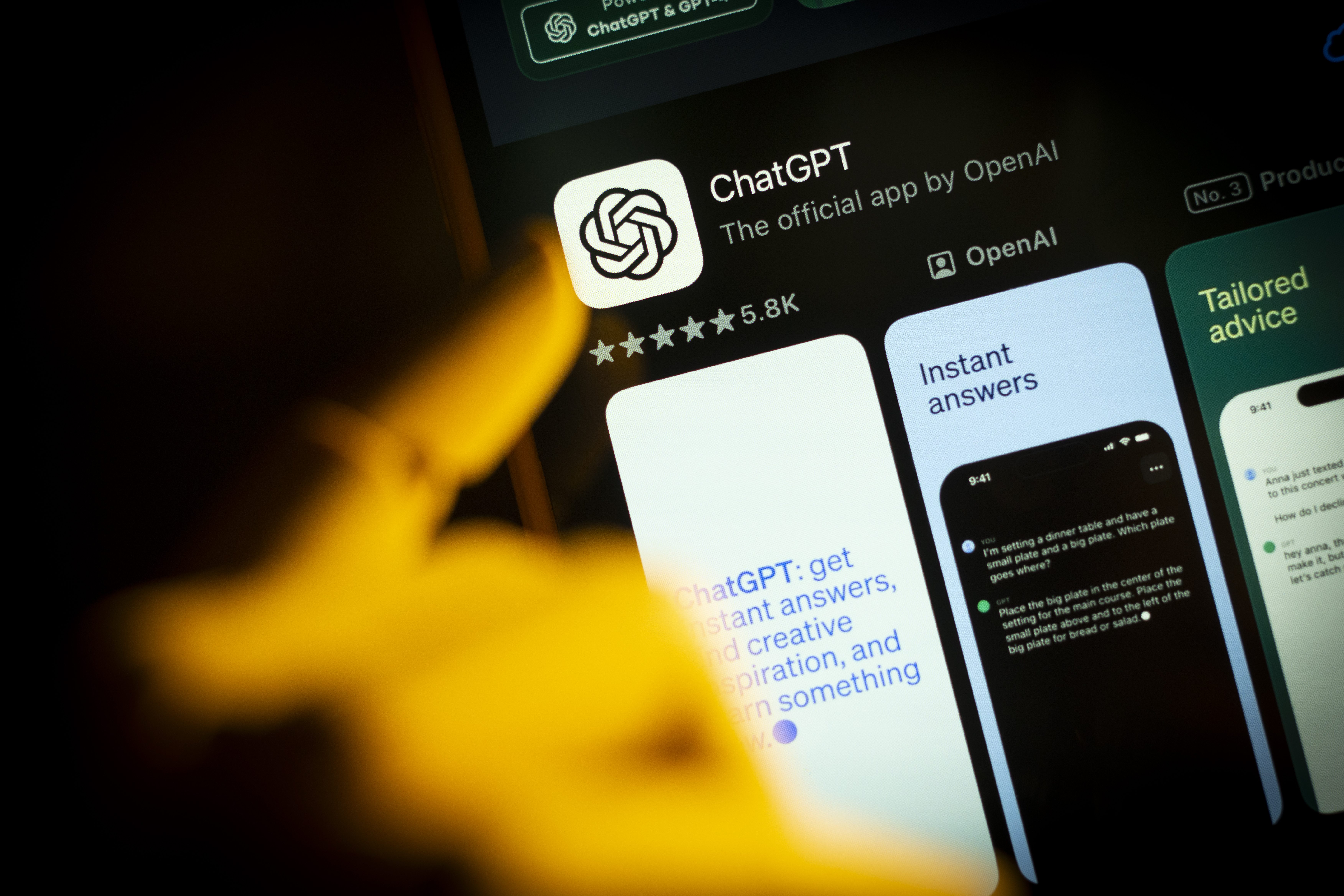
According to Vox - Технології: This article discusses the impact of new artificial intelligence tools, particularly ChatGPT Health from OpenAI and a similar tool from Anthropic, on the provision of medical consultations and the risks associated with the use of such technologies. Over 230 million people weekly ask ChatGPT health-related questions. This indicates a growing interest in the use of artificial intelligence in medical practice.
Advantages and Risks of ChatGPT Health
OpenAI launched ChatGPT Health, allowing users to connect their medical records, which can significantly simplify the process of obtaining medical consultations. A 2024 study showed that GPT-4 achieved diagnostic accuracy of over 90% on complex clinical cases, which is a significant achievement compared to human doctors who, using traditional resources, achieved about 74% accuracy. This may indicate the possibility of reducing the burden on the medical system, especially when the average waiting time for a doctor's appointment in the USA is 31 days. In some cities, such as Boston, this time exceeds two months.
However, despite the advantages, ChatGPT Health is currently available only to a limited number of users. As Adam Rodman, a doctor at Beth Israel Deaconess Medical Center in Boston, states:
“It is going with the vibrations”
This indicates the unpredictability and risks associated with the use of AI in medical practice. It underscores the importance of a cautious approach to the implementation of new technologies in healthcare, as the risks associated with the use of artificial intelligence require detailed analysis and discussion within the medical community.
The implementation of artificial intelligence in medical consultations opens new possibilities for improving diagnostics and reducing the burden on the medical system. However, it is important to consider the risks that may arise from unpredictable situations or errors in algorithms. Therefore, further development and implementation of such technologies require careful monitoring and regulation to ensure patient safety and the effectiveness of medical services.
Read also
- Antique Musket Balls Repurposed Into Solar Cells with 94% Efficiency
- South Korea Patents a Silent Engine for Air Taxis
- 144 FPS at 4K: A Gamer Pairs an RTX 3090 and RTX 3050 for Stunning Performance
- Snapdragon 8 Elite Gen 5: Qualcomm’s New Chip Targets Sub-$600 Smartphones
- Samsung Unveils Three New Odyssey Gaming Monitors: Specs and Features Revealed
- Plastic Waste Converted into Jet Fuel: New Breakthrough by Chinese Researchers