Apartment Prices Surge Up to 18% in Ukraine's Frontline Regions: Where It's Most and Least Expensive.

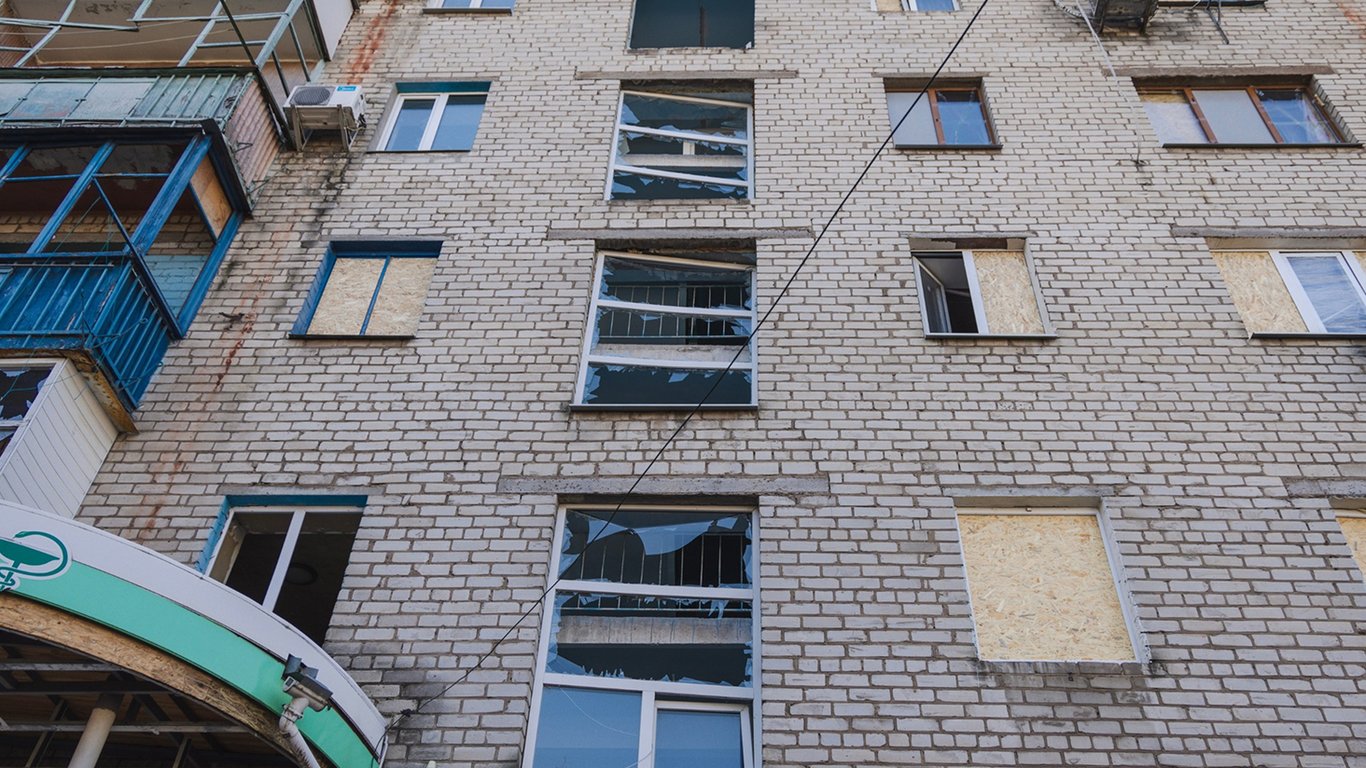
Real Estate Market Analysis in Ukraine's Frontline Regions
According to Novyny.live: Despite a drop in demand, the real estate market in Ukraine's frontline regions is seeing price increases. In February 2026, apartment prices rose in certain areas, though the number of actual transactions declined. According to analysts, the cheapest apartments are in Kherson Oblast, averaging $14,300, while in Zaporizhzhia Oblast, the average price stands at $14,600. These regions are among those closest to active conflict zones, shaping their unique market dynamics.
Apartment Prices Across Different Regions
Apartments in Sumy and Kharkiv oblasts fall into a higher price bracket, costing $19,500 and $22,600 respectively. Dnipropetrovsk and Chernihiv oblasts see prices ranging from $31,000 to $32,000. Notably, Kharkiv Oblast recorded the sharpest price hike, rising 18% compared to last February, while Sumy Oblast saw a 15% increase. Other regions like Dnipropetrovsk and Chernihiv experienced growth of 8-12%, whereas Kherson Oblast saw only a 6% rise.
At the same time, buyer interest in some cities dropped by 45%, signaling reduced market activity. Rental trends also reveal intriguing patterns. Renting a one-bedroom apartment in Kherson costs around 4,000 hryvnias, while in Sumy and Kharkiv, it ranges from 5,000 to 5,300 hryvnias. In Zaporizhzhia and Chernihiv, rents reach 6,500 hryvnias.
Demand for rentals surged 74% in Zaporizhzhia and 19% in Kharkiv. However, Sumy and Kherson lost 10% of their renters, highlighting the uneven nature of the rental market. Overall, the real estate market in Ukraine's frontline regions remains under pressure, with rising prices but declining purchasing demand.
The increase in property prices in frontline areas may stem from a limited housing supply, and despite fewer transactions, it suggests a degree of stability amid ongoing instability.
The drop in rental demand in cities like Sumy and Kherson could indicate shifting demographic trends, as residents may leave due to security risks or economic hardship. This poses potential challenges for the future development of the real estate market in these regions.
Read also
- Drone Strikes on Refineries Trigger Fuel Crisis in Russia: One in Five Trucks Now Idle
- Russia’s Economy Shows Cracks as Stock Indexes and Business Sentiment Plunge to New Lows
- Russian Billionaire Andrey Melnichenko Shares His Vision for Russia’s Post-War Future
- Fuel Crisis in Russia Exposed by Intelligence: Gasoline Prices Surge by a Third
- Global Fuel Markets Shaken as Ukrainian Drones Undermine Russian Control
- Russian Business Owners Are Moving Billions Abroad Amid Fears of Asset Seizure and Forced War Funding