Fish Prices Climb in Odesa: What Popular Varieties Now Cost.

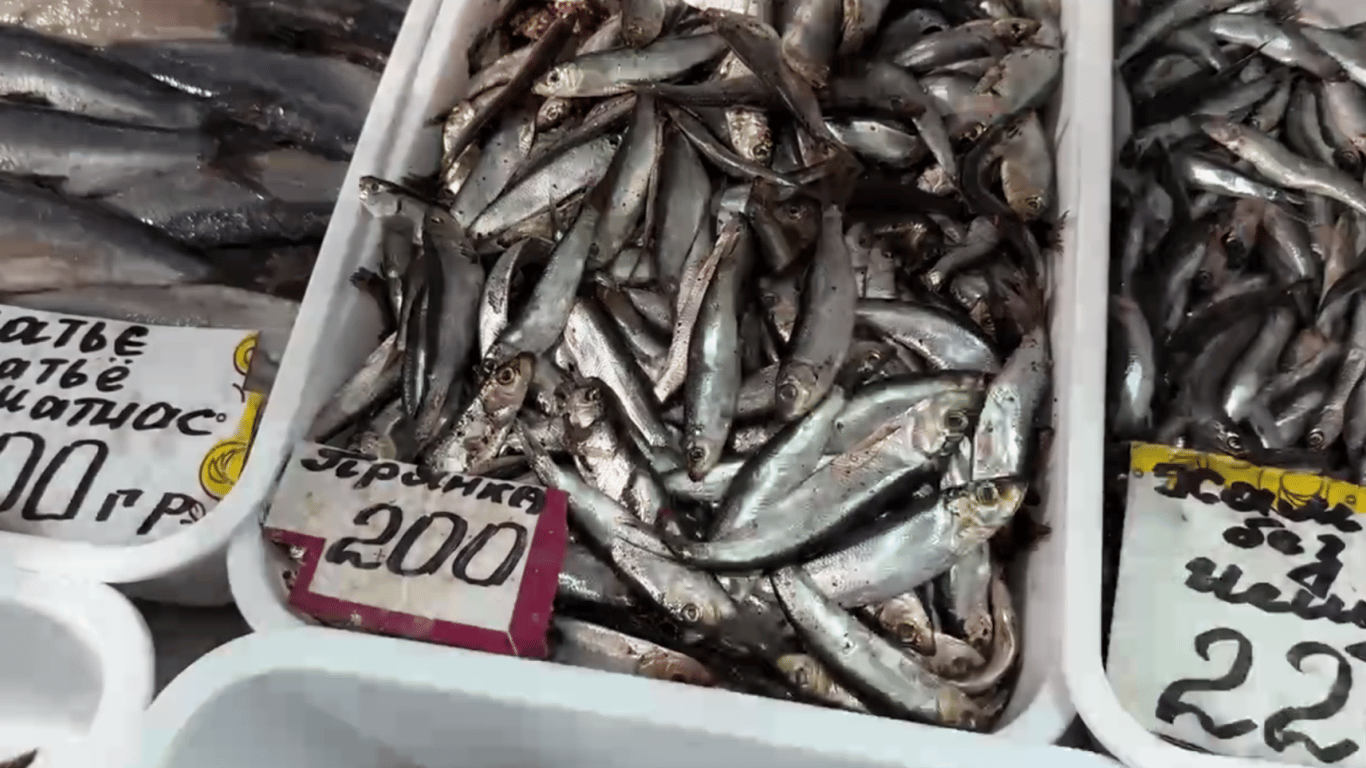
Fish Market Prices in Odesa
According to Novyny.live: At Odesa's Kyiv Market, fish prices are on the rise, driven by higher fuel costs and shifting logistics. As of now, the market offers a broad selection of fish products at various price points, depending on the species, processing method, and origin.
Selection and Pricing
The most affordable options include:
- sprat
- pollock
- salmon spines
On the other end, the priciest items are:
- smoked mackerel
- chilled salmon
For instance, spiced herring costs 200 UAH per kilogram, hansa (a type of fish) sells for 220 UAH per kilogram, and smoked mackerel reaches 680 UAH per kilogram. Additional prices for other fish varieties include:
- sprat – 170 UAH per kg
- sprat (salaka) – 120-200 UAH per kg
- fresh mackerel – 380 UAH per kg
- hake – 200 UAH per kg
Experts point out that fish prices across Ukraine may climb further due to economic, climatic, and production factors. Projections for 2026 suggest potential price ranges such as:
- bream – from 100 UAH per kg
- silver carp – from 85-90 UAH per kg
- catfish – from 150 UAH
- grass carp – up to 90 UAH per kg
The Danube herring season has kicked off in the Odesa region, with the first catches recorded in Vylkove. This product is priced at around 500 UAH per kilogram. Vendors at the market are striving to keep prices accessible, but they acknowledge that external factors heavily influence market conditions.
'We try to hold the line on prices, but a lot is out of our hands. Fuel costs are going up, logistics are shifting, delivery is getting more expensive—and prices are slowly rising. But we'll manage—the more pressure we face, the better we work.' Ksenia, market vendor
Overall, the fish market in Odesa remains under strain, reflecting both current pricing and future outlooks.
The rise in fish prices in Odesa mirrors broader food market trends, where factors like increasing fuel costs and logistical disruptions significantly impact final product prices. This poses a challenge for consumers, especially amid economic uncertainty, pushing sellers and producers to adapt to evolving market conditions.
Read also
- Brent Crude Surpasses $110 a Barrel: Could Iran Tensions Trigger a Global Energy Crisis?
- Ukraine Strikes Russian Ports: The Cost of a Month-Long Shutdown at Tuapse
- Fuel Shortage in Crimea: Russian Logistics Crippled by Ukrainian Strikes, Says Feigin
- Ukraine’s Strikes Trigger Fuel Crisis as Russia Loses 40% of Oil Refining Capacity
- Ukraine Strikes 42 Russian Vessels in 11 Days as Drone Campaign Intensifies
- Russian Stock Market Crashes Nearly 9% — What This Means for the Economy