How Civilian Ships from Odessa Now Reroute Through Three Nations to Avoid Attacks.

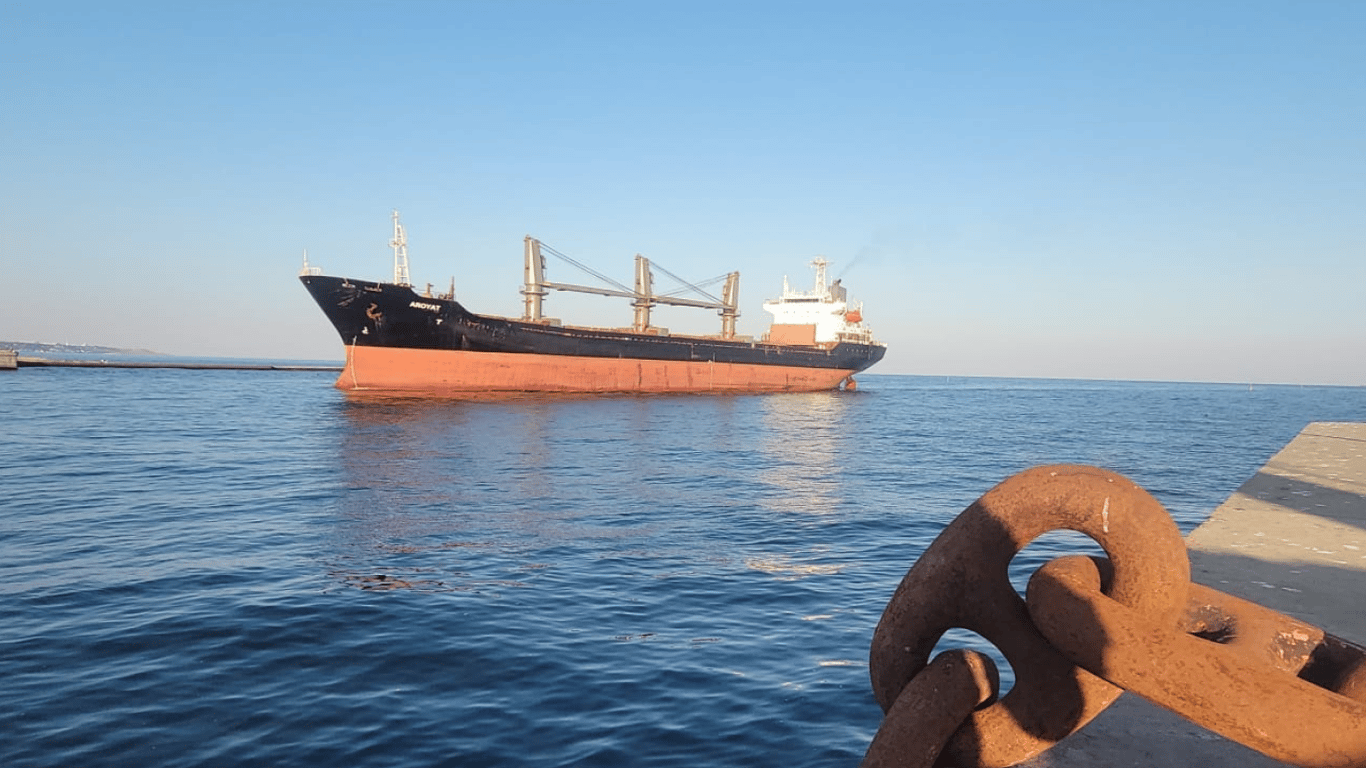
Civilian Shipping in the Black Sea Faces New Realities
According to Novyny.live: To evade potential Russian strikes, commercial vessels departing from Odessa are now taking longer paths that pass through the territorial waters of Romania, Bulgaria, and Turkey. This detour complicates maritime logistics, which have yet to fully resume from Ukrainian ports. Several harbors, including those in Mykolaiv and Ochakiv, remain effectively blocked. The Black Sea, a critical corridor for global grain and cargo shipments, has become a volatile zone since the start of the war.
According to Andriy Ryzhenko, a corridor from Odessa does exist, but it runs through the territorial waters of neighboring countries. This route helps protect ships from becoming direct targets. Despite the difficulties, Ryzhenko expressed optimism:
'I believe that thanks to the actions of our security and defense forces, we will be able to restore the classic direct route from Odessa to the Bosphorus.' Andriy Ryzhenko
On July 22, 2022, the 'grain deal' was signed under the mediation of the United Nations and Turkey, which temporarily restored some maritime shipments. However, in July 2023, Russia withdrew from that agreement, further destabilizing the situation. By August 2023, Ukraine had established its own maritime corridor without Russian involvement.
Escalating Dangers in the Black Sea
Tensions in the Black Sea have remained high throughout this period. On the night of March 20, two foreign-flagged vessels—one from Palau and one from Barbados—came under attack, highlighting the persistent threats to civilian navigation. Earlier, on March 4, a Russian drone struck a civilian ship flying the flag of Panama in Black Sea waters, underscoring the severe risks that maritime transport faces in the region.
The current situation reveals serious challenges for Ukrainian ports, particularly due to the Black Sea blockade and ongoing threats from Russia. Using longer, indirect routes for civilian vessels not only disrupts logistics but also increases safety risks for shipping in the area. This could have negative repercussions for Ukraine's economy, which heavily depends on maritime trade, especially amid the ongoing war.
Read also
- A Croatian Island Listed for €700,000: What Buyers Should Know About the Property
- EU Parcel Rules Change from July 2026: New €3 Fee on Shipments
- Two Months of Free Service: Vodafone Waives Fees in New Promotional Offer
- Euro Banknotes to Get a New Look: Competition Deadline Set and Faces That Could Appear on Future Currency
- Sanctions and Record Oil Exports: What’s Really Happening to Russia’s Budget
- New Passenger Cars Deployed by Ukrainian Railways on Routes from Kyiv and Dnipro to Uzhhorod