














An American speaks Spanish after anesthesia: diagnosed with a rare syndrome.

An American speaks Spanish after anesthesia: diagnosed with a rare syndrome

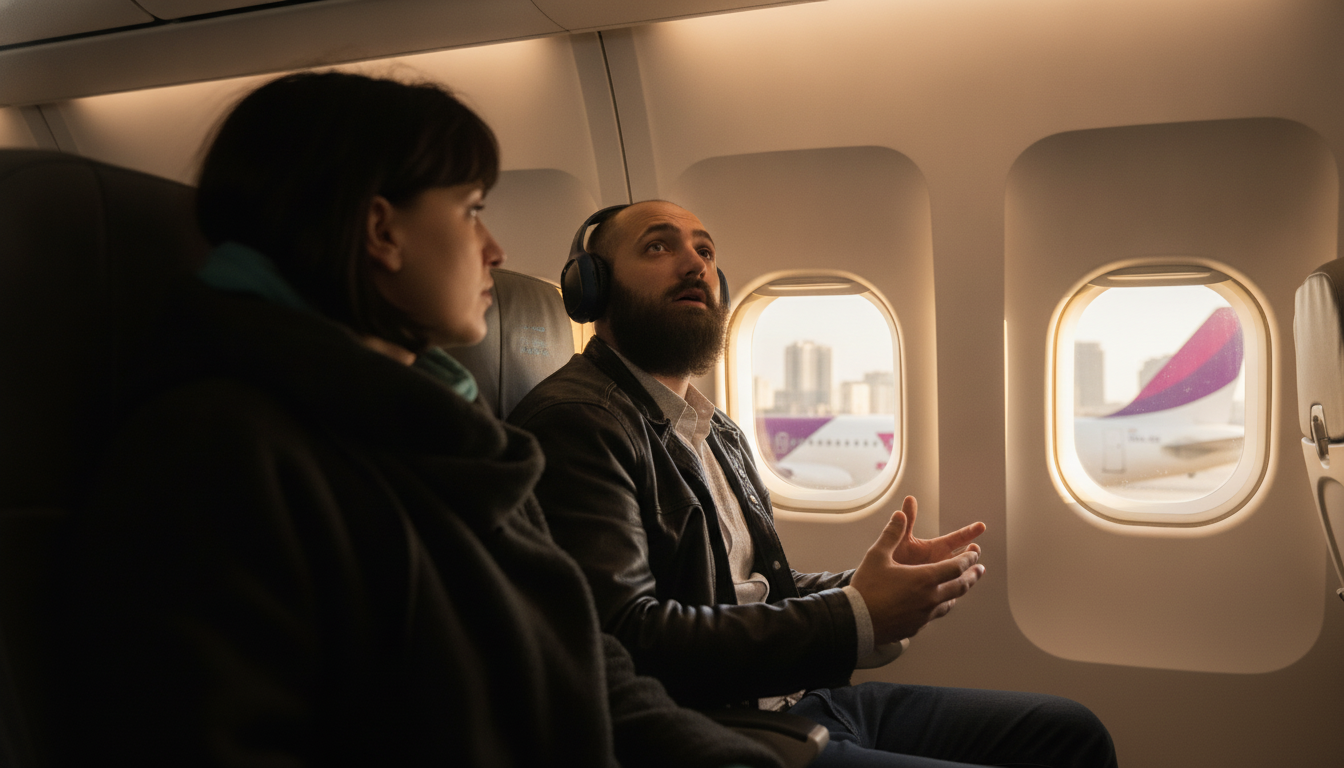
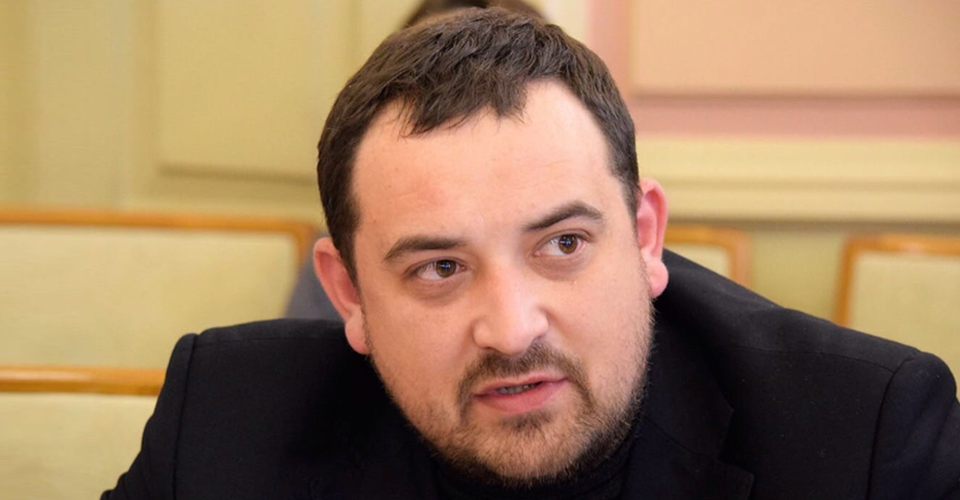
According to ТСН: A 33-year-old resident of the USA encountered an extremely rare syndrome that causes him to speak Spanish as soon as he wakes up from anesthesia, even though he does not know the language in everyday life.

Stephen Chase first experienced this phenomenon when he was 19 years old, after knee surgery. Waking up from anesthesia, he unexpectedly began speaking Spanish, although he previously only knew a few basic words. This lasted about 20 minutes, after which he returned to English.

Chase recalls that he attended Spanish lessons in school for only a year at the beginner level. He does not remember his conversations in Spanish, learning about it only from the medical staff.

A father of three from Salt Lake City admits that the nurses repeatedly asked him to switch to English, which puzzled him. He clearly remembers responding in English, unaware that he had been speaking in Spanish before.

Doctors later discovered that Chase had Foreign Language Syndrome (FLS) — a very rare neurological disorder first described in 1907. In over a century, about 100 cases of this syndrome have been recorded. It can be triggered by brain injuries, tumors, severe stress, or general anesthesia.

Interestingly, in Chase's case, the syndrome manifested multiple times. Over more than ten years, he underwent several surgeries due to sports injuries and recently — a septoplasty. After each awakening from anesthesia, he began to speak Spanish fluently again.

According to the man, nurses asked him about his well-being and pain, and he responded to them in Spanish, not even realizing why they did not understand him. At that moment, it seemed to him that he was speaking perfectly normally.

Chase suggests that the reason might lie in his childhood: he grew up in an environment where he often heard Spanish, even though he never consciously learned it.

Experts note that Foreign Language Syndrome should not be confused with Foreign Accent Syndrome, where a person speaks their native language with an unusual accent.

This case interestingly illustrates how neurological disorders can affect language. Foreign Language Syndrome is a phenomenon that still requires detailed study, as little is known about its mechanisms. Given the rarity of cases, researchers find it crucial to continue monitoring such manifestations to better understand their nature.

It is also worth noting that Stephen Chase's case highlights the fascinating harmony between speech and memory, as well as the nuances that can arise during anesthesia. This also opens new horizons for understanding humans as biological systems, where the brain can respond to stressful situations in unconventional ways.


Read also

Advertising