The Practical and Psychological Reasons for Two-Tone Walls.

The Tradition of Two-Tone Walls
According to TSN.ua: A classic design technique is seeing a resurgence in public spaces: painting walls in two distinct horizontal bands. This method, featuring a darker lower section and a lighter upper section, is favored for its blend of practical, economic, and psychological benefits.
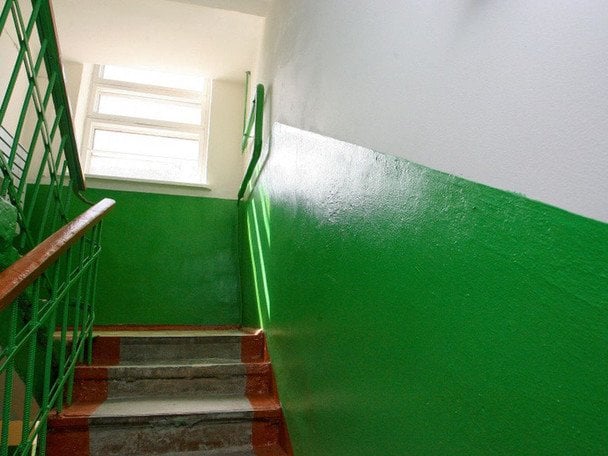
The darker lower portion serves a highly practical purpose by effectively concealing scuffs, marks, and dirt. This is particularly valuable in high-traffic areas where walls are prone to wear. For this section, durable and easily cleaned oil-based paint is typically used. The dividing line is usually placed at shoulder height for an average adult, making the design both functional and ergonomic.
Benefits and Psychological Impact
This approach also allows for rational allocation of materials, helping to optimize painting costs. Meanwhile, the light-colored upper wall reflects light, enhancing the overall brightness and sense of space in a room. This is a crucial consideration for maintaining a comfortable environment in public buildings.
Institutions like hospitals and schools often choose calming shades of green or blue for the lower wall. These colors are known to promote a soothing atmosphere, which is beneficial for patients and students alike. This practice, common in many European public buildings, shows how the two-tone method is justified not just by practicality but also by psychological design principles.
"The growing popularity of two-tone walls in public spaces reflects an evolution in interior design, where practicality merges with aesthetic and psychological considerations."
This technique addresses both maintenance needs and the creation of a welcoming environment for visitors. In modern life, where efficiency and comfort are paramount, such a strategy could well inform future trends in public interior design.
Read also
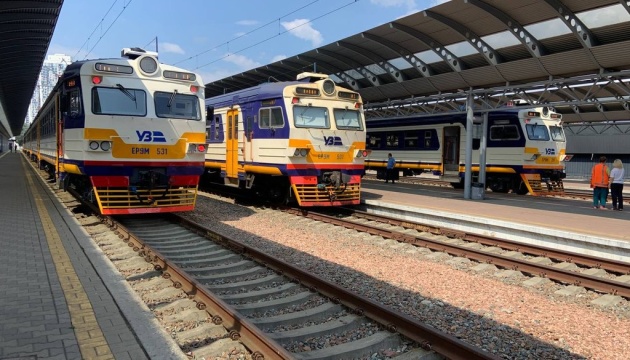
- Kyiv Electric Train Prices Increase from July 22: Fare Will Rise to 37 Hryvnias
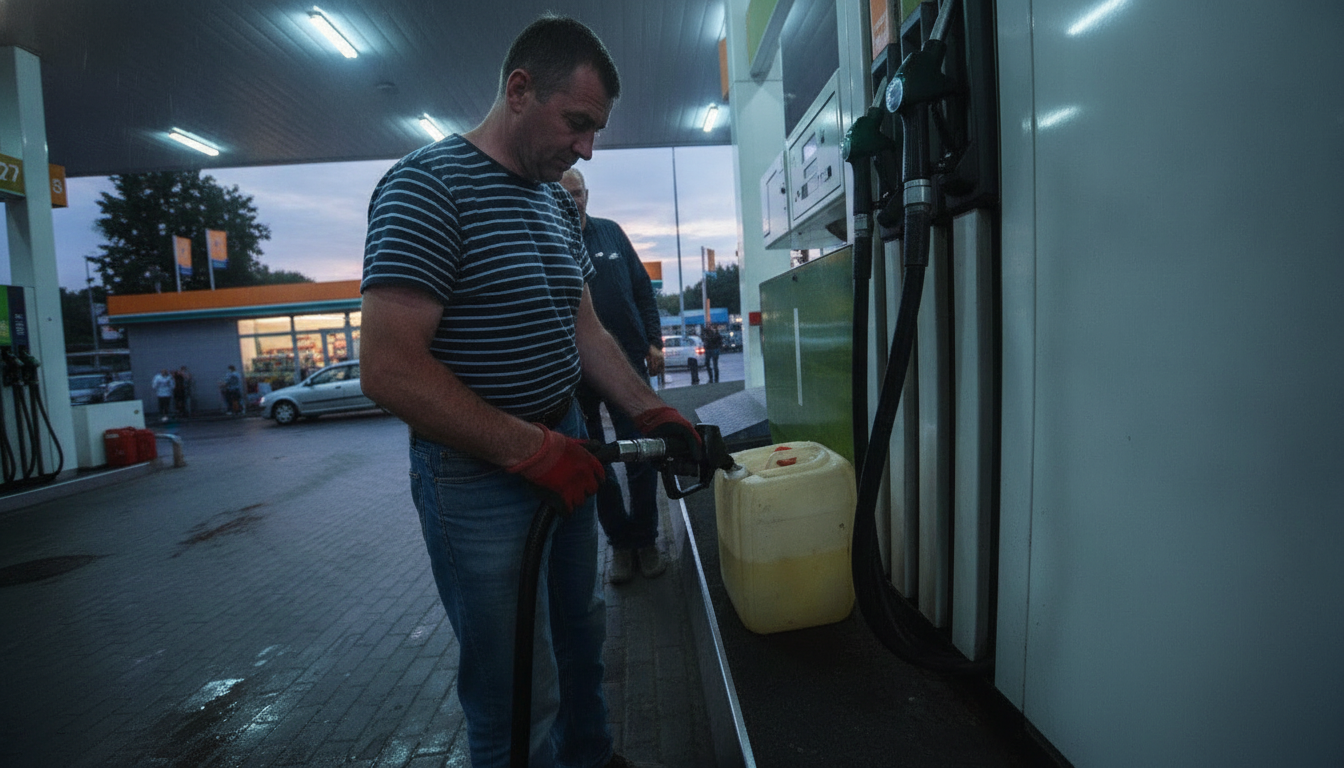
- Russia Fines Residents for Storing Gasoline in Garages Amid Fuel Shortages
- Why Internally Displaced People in Ukraine Can't Get Mortgages: A Key Obstacle Identified
- Attacks on Ukrainians Surge in Poland: Hate Crime Numbers Jump 30%
- Civilian Casualties in Ukraine Hit Record Highs, UN Reports: A Closer Look at the Shift
- Fare rates for transportation in Kyiv have tripled: how the war is changing the transportation reality