How Occupation Altered Animal Behavior in Chernobyl: Study Findings.

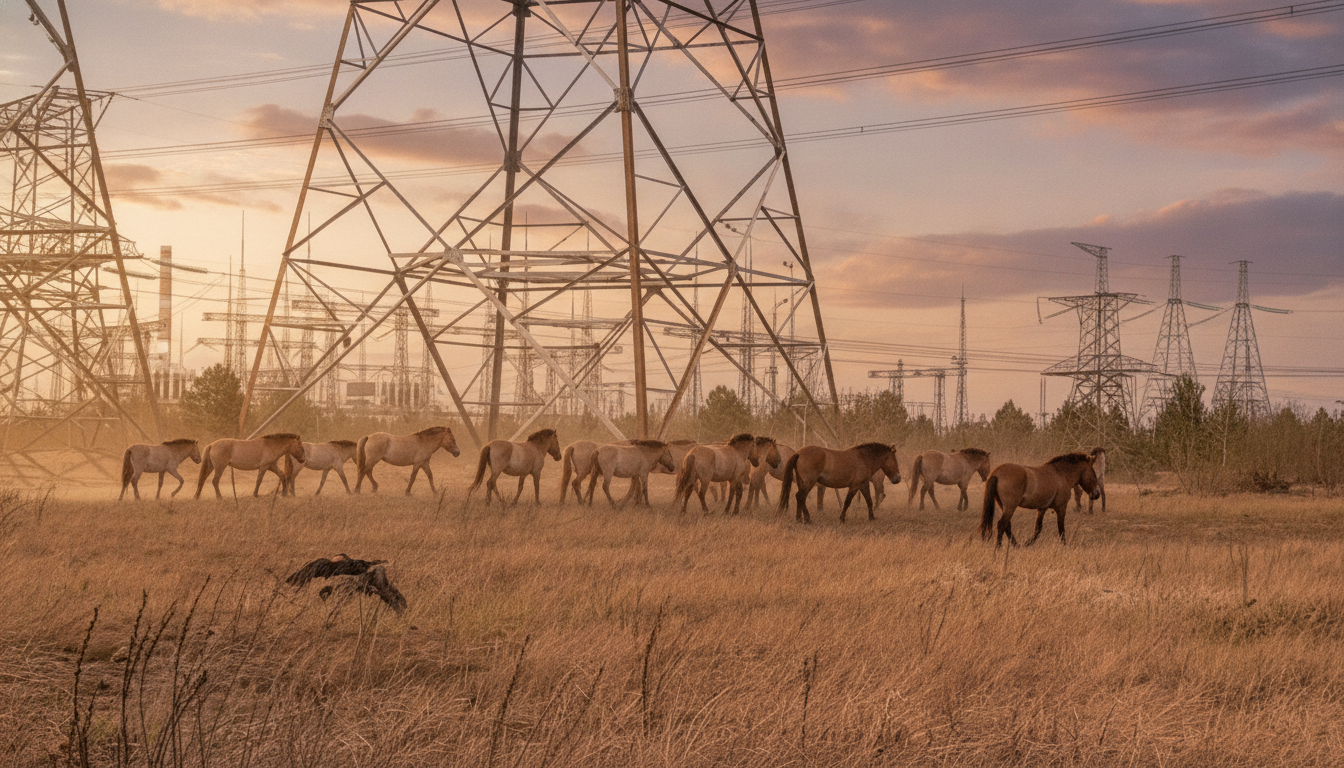
War’s Impact on Wildlife Behavior in the Chernobyl Exclusion Zone
According to Novyny.live: A recent study reveals that during the Russian occupation of the Chernobyl Exclusion Zone, numerous animals shifted their behavior, notably reducing their nighttime activity. This change occurred at the onset of Russia’s full-scale invasion of Ukraine, when the Chernobyl area became part of active combat zones. Scientists analyzed nearly 2,000 photos and videos from automated cameras to examine how wildlife adapted to wartime conditions.
Documented Shifts in Animal Activity
Researchers observed decreased activity in several species, including:
- roe deer
- red deer
- moose
- red foxes
These behavioral changes were compared to the same period in 2021, allowing scientists to assess the war’s effect on animal routines. Spanning roughly 2,600 square kilometers, the Chernobyl Exclusion Zone has become a natural laboratory for studying how species evolve under new pressures.
Svitlana Kudrenko, one of the researchers, noted: 'Modern conflicts have a significant impact on the environment and animal behavior.'
This underscores the importance of studying ecosystems during wartime, as such research can illuminate how military actions affect nature. The 1986 Chernobyl nuclear disaster initiated long-term investigations into radiation’s effects on wildlife, and now the challenges of war pose fresh questions for scientists.
Understanding how animals react to environmental changes during conflict is key to grasping war’s ecological consequences. The Chernobyl Exclusion Zone offers a unique platform for these studies.
Research into animal behavior in the Chernobyl Exclusion Zone during wartime could have major implications for comprehending how military conflicts disrupt ecosystems. The drop in animal activity in response to hostilities shows how stressful conditions can alter living creatures’ behavior, potentially affecting ecological balance. This information may benefit not only scientists but also the development of conservation strategies amid modern conflicts.
Read also
- Kyiv Electric Train Prices Increase from July 22: Fare Will Rise to 37 Hryvnias
- Russia Fines Residents for Storing Gasoline in Garages Amid Fuel Shortages
- Why Internally Displaced People in Ukraine Can't Get Mortgages: A Key Obstacle Identified
- Attacks on Ukrainians Surge in Poland: Hate Crime Numbers Jump 30%
- Civilian Casualties in Ukraine Hit Record Highs, UN Reports: A Closer Look at the Shift
- Fare rates for transportation in Kyiv have tripled: how the war is changing the transportation reality