Dacia to End Production of Gas-Powered Cars After 2030: Market Implications.

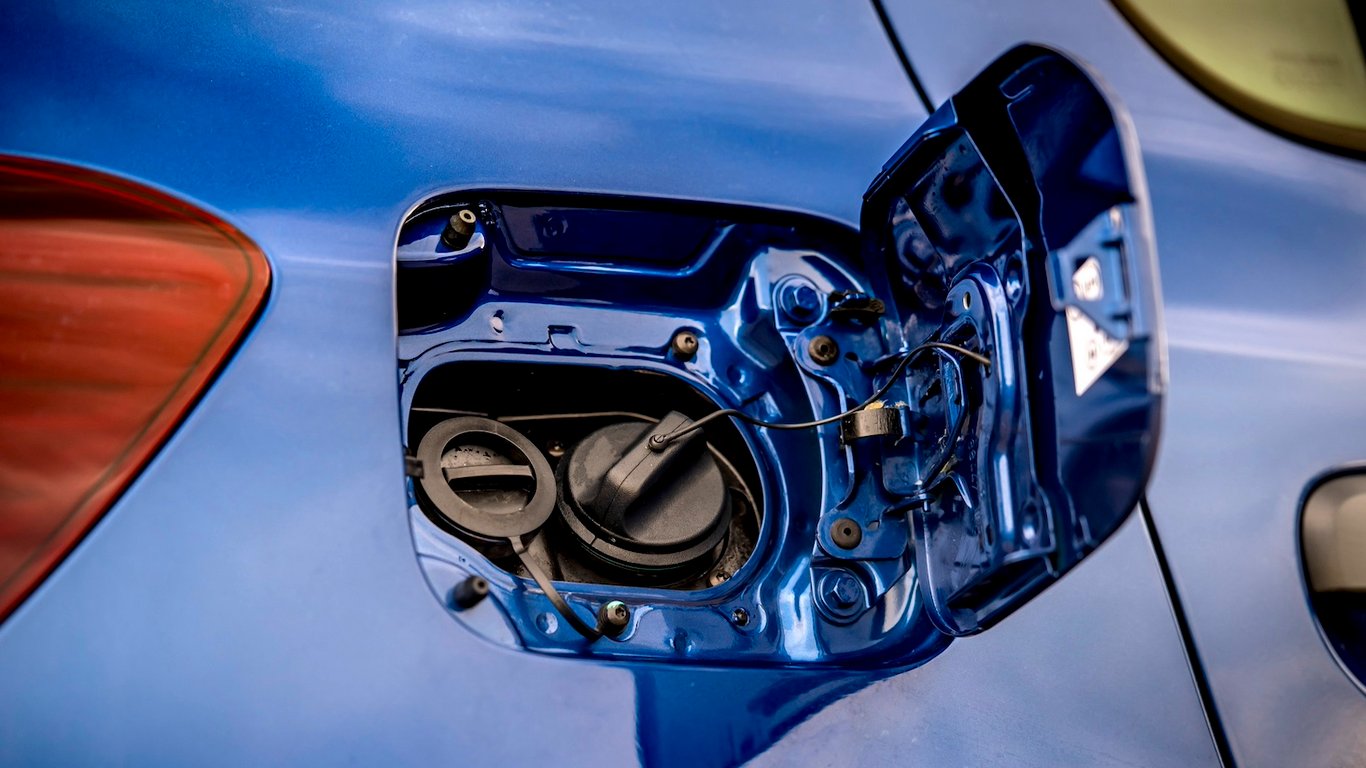
Dacia's Post-2030 Phase-Out of Gas Vehicles and Its Market Impact
According to Novyny.live: Despite a growing market for vehicles equipped with gas systems, Dacia has confirmed it will cease production of such models after 2030. Data shows that in 2025, sales of gas-powered cars in Europe rose by 10%, reaching 347,700 units, indicating increasing consumer interest in more environmentally friendly alternatives. This move by the budget-focused brand signals a significant strategic pivot within the broader Renault Group.
Current Market Share for Gas-Powered Vehicles
Of the 229,000 gas-powered cars sold in 2025, the Renault conglomerate holds a dominant 89% market share. Other manufacturers, such as DR Automobiles, hold 6.2% of the market, while Kia accounts for 3.8%. These figures underscore the current importance of gas vehicles in meeting demand for cleaner transportation solutions.
Dacia representative Frank Marotte stated: 'This will not be an offering after 2030.'
Dacia's withdrawal from the gas vehicle segment could substantially impact the market, given the rising popularity of these cars. The company's intention to focus on other technologies leaves open the question of how the gas-powered vehicle landscape will evolve post-2030.
Consequently, Dacia's decision may signal a shift in market trends and influence other manufacturers. With growing demand for eco-friendly cars, it will be crucial to monitor Dacia's subsequent moves and the reactions of its competitors.
This phase-out likely points to the wider automotive industry's move toward electrification and reduced environmental impact. The decision may prompt other producers to reassess their strategies and investments in alternative fuel technologies. As the market for green vehicles continues to expand, Dacia is presumably focusing its future on electric models to address contemporary challenges and consumer expectations.
Read also
- Russia Sets Record in Gold Sell-Off: What It Signals for the Economy
- Putin’s Economic Claims Exposed as Manipulation by Ukraine’s Disinformation Center
- Rheinmetall to Double Gunpowder Output: What This Means for Ukraine
- Azerbaijan Steps Up as Europe's Energy Alternative: Gas Deliveries to Germany Already Underway
- IMF Demands Utility Rate Hikes as Naftogaz Debt Surges 63%
- 12 Red Flags for Shell Companies Identified by Ukraine's Central Bank: Banks Ordered to Scrutinize Importers