Europe Closes Its Borders: How Countries in the Bloc Are Stopping the Migration Crisis.

Changing Attitudes Towards Migrants in Europe
According to The Sun: Ten years ago, the migration crisis was front-page news in Europe, and countries like Germany and Sweden welcomed asylum seekers with open arms. However, over time, public anger has grown, and now Europe is taking strict measures that effectively undermine Keir Starmer's efforts.
Reuters Reuters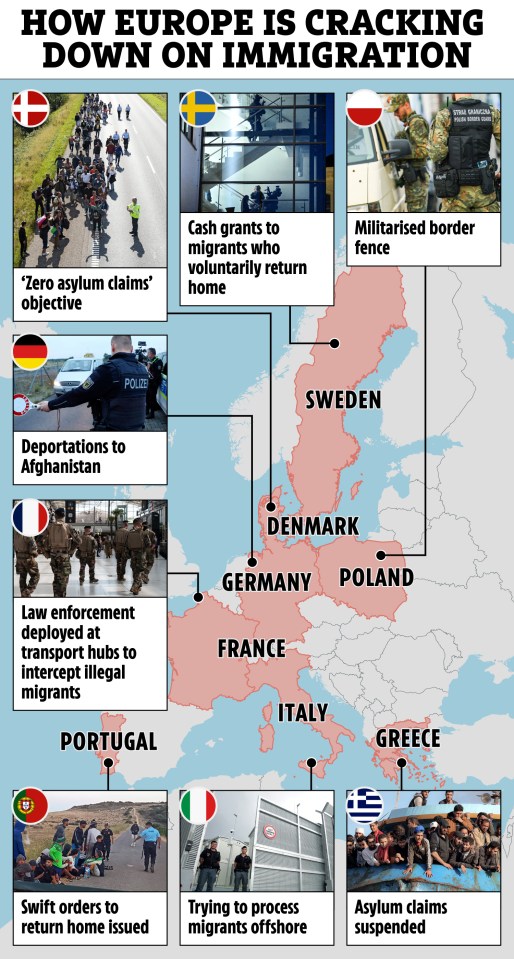
Strengthening Border Controls
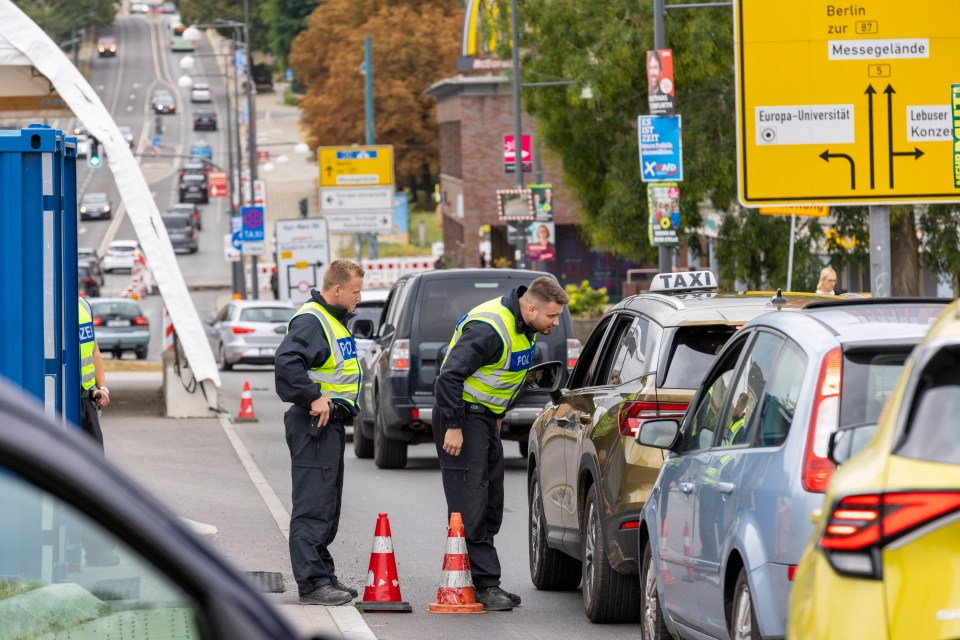
Across Europe, border controls have become stricter, and asylum rules have become harsher.
“In 2015, people were extremely sympathetic to the migration crisis,” said Guy Dampier from the Prosperity Institute.
In recent years, Europeans have concluded that they cannot and do not want to deal with the influx of migrants, as the changes it brings are considered undesirable.
Many in the UK are calling on Starmer to learn from Europe's experience as the government faces difficulties in tackling crossings of the picturesque channel in small boats.
According to the Home Office, since records began in 2018, over 170,000 people have crossed the channel.
Recently, it has been reported that the government plans to tighten rules for migrant families entering the UK, aligning them with the experiences of neighboring countries.
Strict Measures in Other Countries
After a record number of migrants and illegal arrivals in Europe, public sentiment has shifted, with growing support for right-wing and far-right parties.
In the first three months of 2025, the largest groups of migrants were Venezuelans and Afghans, according to Eurostat data.
As of today, the strict measures appear to be effective – the number of crossings in Europe decreased by 18% in the first seven months of 2025 compared to the same period last year, according to Frontex, the European Union's border agency.
However, human rights groups caution that a tough response may lead to abuses faced by migrants at the hands of criminal gangs being ignored.
The cost of human life remains high. In 2024, more than 2,200 people died while trying to cross the Mediterranean Sea, according to UN data, as migrants are forced to seek riskier routes due to closed land borders.
 Darren Fletcher
Increasing Violence and Crime
After the fall of Gaddafi’s regime in Libya, the situation in North Africa became unstable, opening opportunities for criminal gangs.
“More than 90 percent of those organizing crossings are criminal groups,” noted Dr. Andy Hochhauser from the Royal Institute of Service.
Considering the need for long-term solutions, addressing demand is crucial.
European countries are responding to the demands of their voters. Have their actions been successful?
Sweden
AFP
For many years, Sweden has been characterized by a loyal attitude towards migrants but has recently tightened its policy.
The number of granted asylum applications has significantly decreased, from 84,200 in the UK to only 6,250 in Sweden in 2024.
Germany
Getty
Germany, previously known as a country that opened its doors to migrants, has now significantly changed its attitude, reducing the number of people receiving asylum.
Greece
 AFP
AFP
Greece continues to strengthen its migration policy, as evidenced by the statement from Migration Minister Thanasis Plevris: “Under no circumstances will we become a country of open borders.”
A recent surge of migrants from Libya highlights the seriousness of the challenges the country faces.
Denmark
Shutterstock
Denmark is actively working to reduce migration requests by introducing new rules and revoking refugee status if the country of origin is deemed safe.
Poland
Reuters
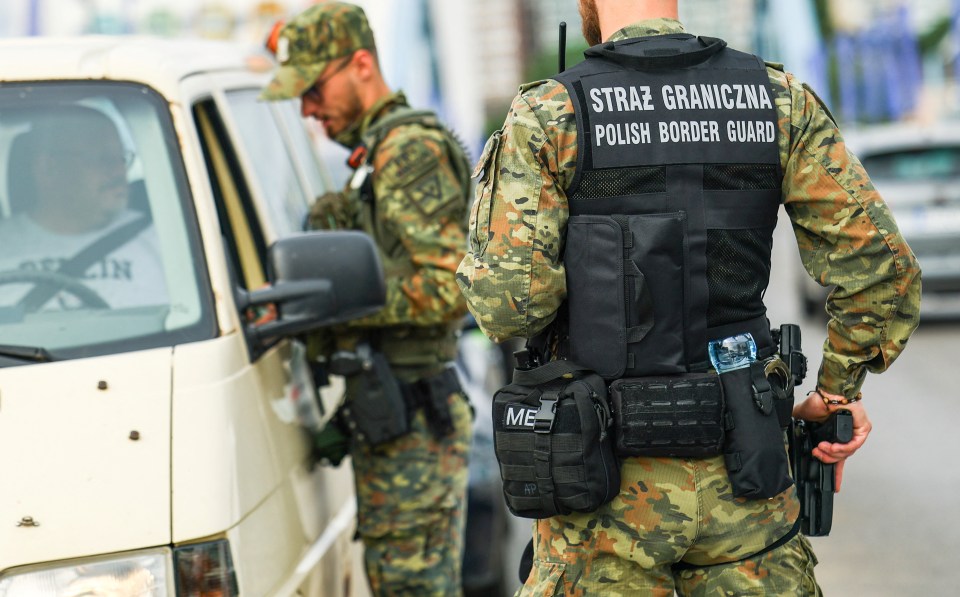
Poland is observing an increase in control at its border with Belarus, which is considered a "weapon" of the Kremlin.
Italy
AFP
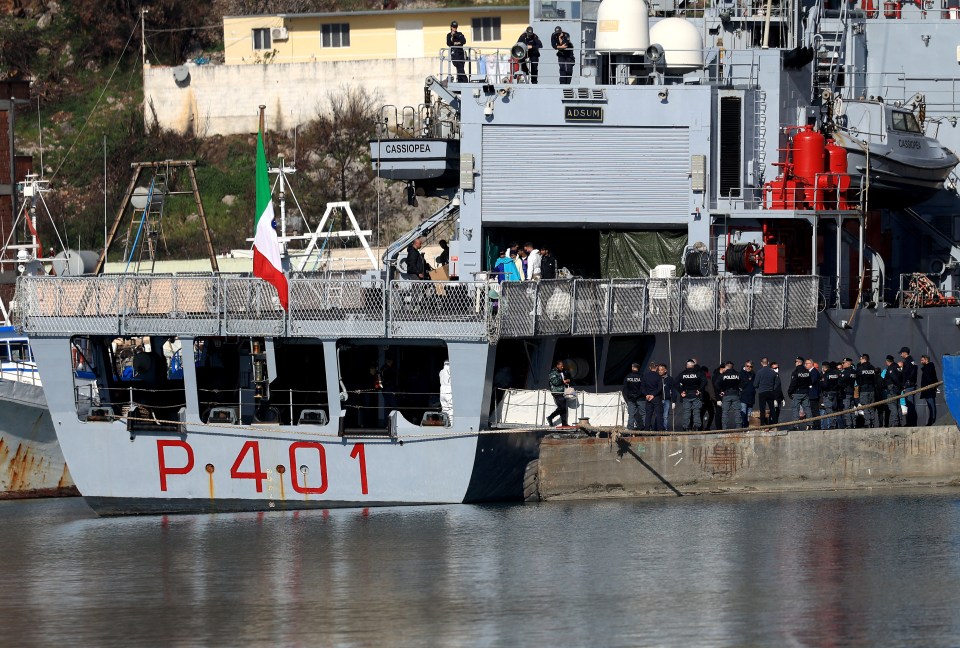
The Italian government has reached an agreement with Albania to process migrants, strengthening its approach to immigration.
Thus, Europe is trying to cope with the migration crisis through new severe measures, although human rights issues remain on the agenda. In a world of constant change, countries strive to find a balance between security and humanity.
Read also
- How Ukraine Is Bringing Home 22,000 Children Deported to Russia
- Russia Deploys Shadow Fleet to Launch Drones Over Europe, Targeting NATO Sites for Reconnaissance
- July 3rd Strike on Sumy: Four Dead Including a Child, 20 Wounded
- Sharp Rise in Civilian Casualties in Ukraine Documented by UN: A Closer Look at the Numbers
- Russia’s Black Sea Fleet Loses the Upper Hand: What Ukraine’s Strikes Have Changed
- Satellite Imagery Reveals Anti-Drone Cages Installed on Russian Submarines in Novorossiysk