Odessa's Decommunization Stalls as Officials Delay Removing Banned Symbols.

Removal of Prohibited Symbols in Odessa
According to Novyny.live: In Odessa, the process of removing banned symbols continues, yet the situation remains unresolved due to a lack of response from city authorities. Public activists, including lawyer and civic figure Artem Kartashov, are calling for the completion of decommunization in the city. They demand active measures from the municipal government, as their appeals concerning the dismantling of prohibited objects have gone unanswered.
The Status of Monuments
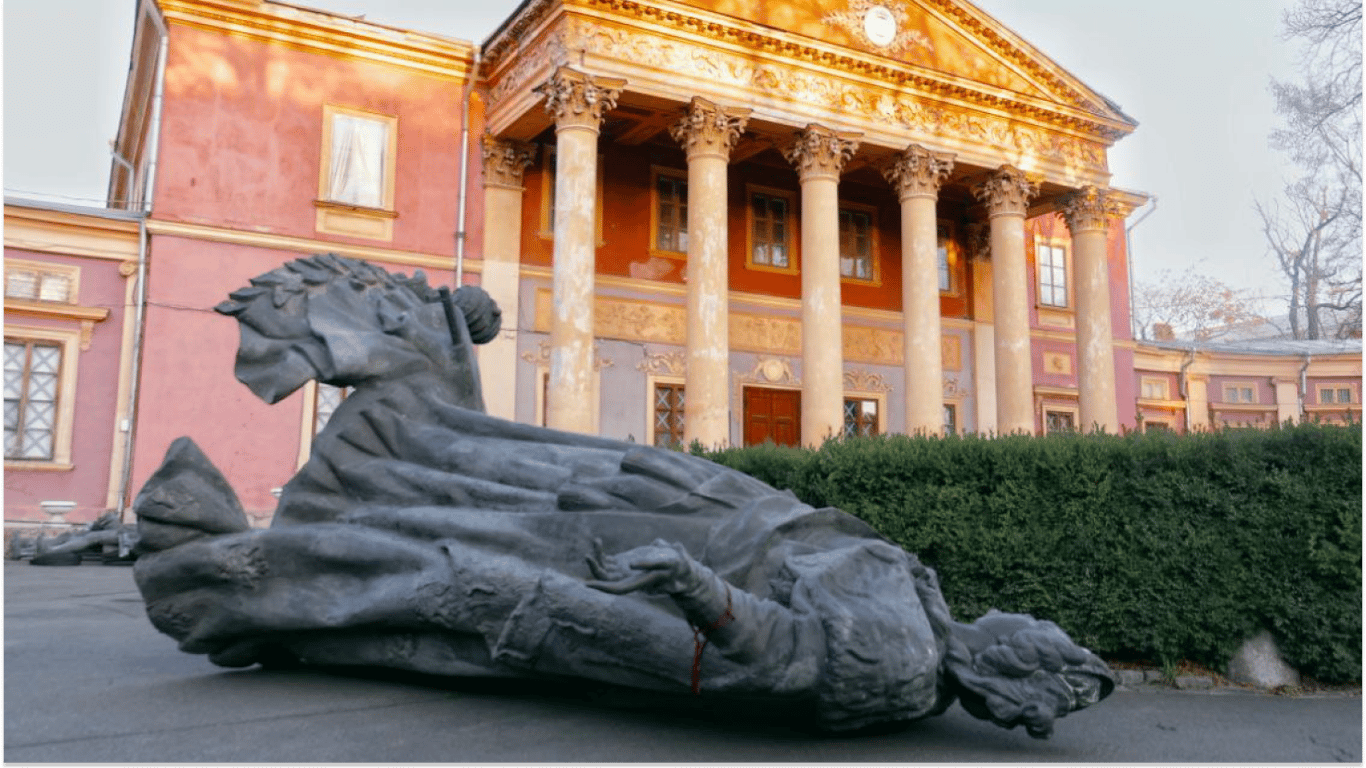
Among the objects slated for removal is a monument to Alexander Pushkin located on Primorsky Boulevard, which has currently been boarded up with wooden planks. Monuments to Catherine II and Alexander Suvorov have already been dismantled and relocated to the Odessa Art Museum. However, several items remain on the list, including:
- a monument to Isaac Babel
- other objects falling under the decommunization law
Artem Kartashov noted that 'the credit of trust is not eternal.' He stated that if the situation does not change, it will be 'necessary to mirror the actions demanded against Trukhanov, who was for years urged to be removed from his post for sabotaging decommunization.'
This underscores the urgent need for action by the city government to resolve the issue of removing these symbols, which is causing concern among activists and the community. Decommunization is a significant national policy in Ukraine, aimed at dismantling the legacy of its Soviet past.
As decommunization efforts intensify across the country, the public expects decisive steps from authorities to complete this important phase in the city's development. The successful implementation of decommunization can influence the formation of a new community identity. It is crucial for the government to clearly respond to societal requests and consider the historical context when making decisions about controversial symbolism.
Read also
- Kyiv Electric Train Prices Increase from July 22: Fare Will Rise to 37 Hryvnias
- Russia Fines Residents for Storing Gasoline in Garages Amid Fuel Shortages
- Why Internally Displaced People in Ukraine Can't Get Mortgages: A Key Obstacle Identified
- Attacks on Ukrainians Surge in Poland: Hate Crime Numbers Jump 30%
- Civilian Casualties in Ukraine Hit Record Highs, UN Reports: A Closer Look at the Shift
- Fare rates for transportation in Kyiv have tripled: how the war is changing the transportation reality