Understanding Road Signs 4.5 and 3.23: Key Differences and Exemptions.

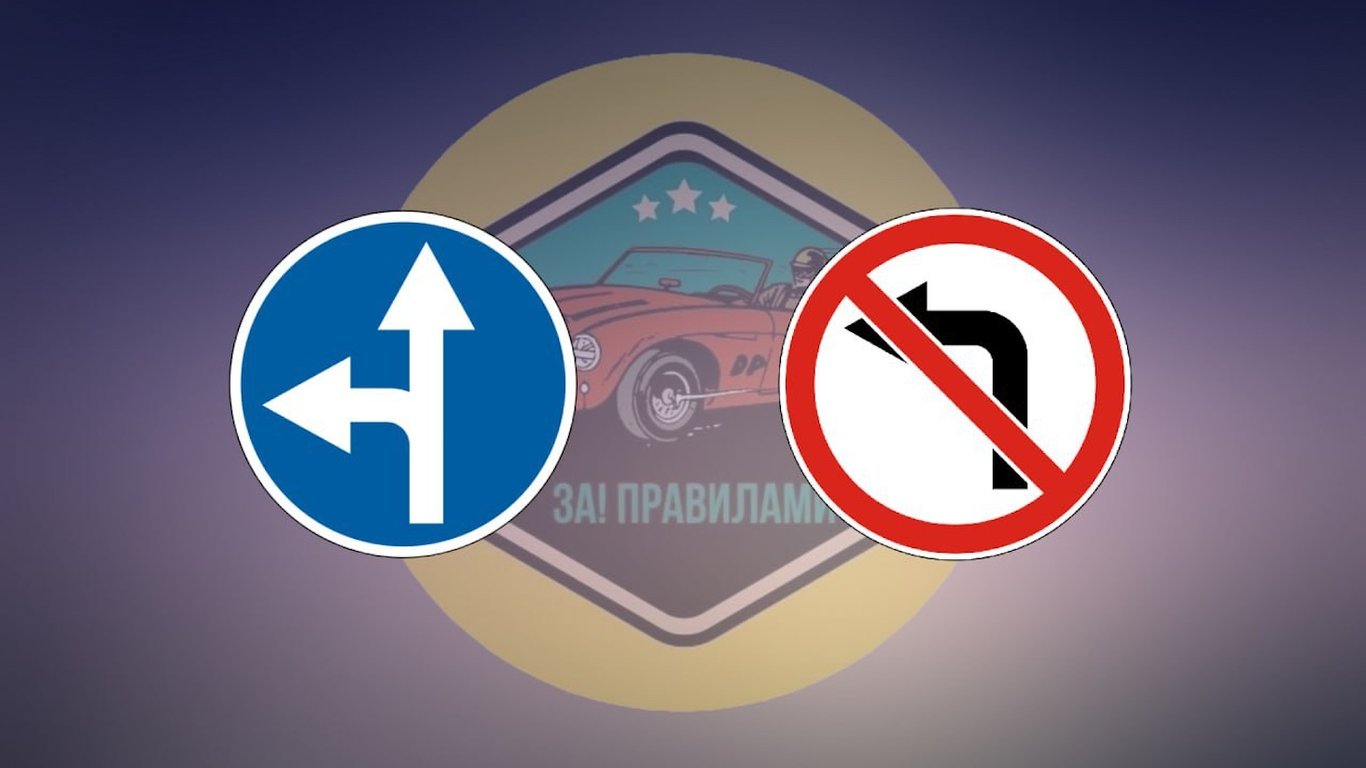
Attention Drivers!
According to Novyny.live: It is crucial for all motorists to understand the specific requirements of traffic signs under the rules of the road. This includes signs 4.5, 'Straight or Left Turn Permitted,' and 3.23, 'Left Turn Prohibited.' For drivers in many countries, these signs follow similar international conventions, though local rules always apply.
What These Road Signs Mean
Sign 4.5, 'Straight or Left Turn Permitted,' authorizes drivers to proceed straight ahead, turn left, or perform a U-turn. This regulation is designed to manage traffic flow and enhance safety at intersections. Conversely, sign 3.23, 'Left Turn Prohibited,' explicitly forbids turning left but, importantly, still permits drivers to execute a U-turn. Adherence to these directives is essential to avoid traffic violations.
A critical point is that the restrictions imposed by both signs do not apply to public service vehicles operating on designated routes. This means drivers of route taxis or buses may be exempt from these particular rules. Correctly interpreting and obeying these signs is fundamental to road safety and helps reduce the number of traffic accidents.
Knowing and following traffic regulations, especially the meaning of road signs, forms the foundation of safe driving conduct.
Staying informed about signs like 'Straight or Left Turn Permitted' and 'Left Turn Prohibited' highlights the importance of a conscientious approach to driving. Such awareness can significantly lower the risk of collisions and improve overall road conditions for everyone.
Read also
- Volunteer Threatened and Robbed of $11,000: Inside the Attack
- 150 Teens Already Employed in 2026: A Strong Start for Summer Youth Jobs
- War Transformed Her Life: Donetsk Teacher Creates Ukraine’s Largest Embroidered Shirt
- Kids Pick a Backpack in Seconds: What School Bags Must Offer in 2026
- Why Displaced Residents of Mariupol Face Barriers to Housing Compensation
- Kyiv Electric Train Prices Increase from July 22: Fare Will Rise to 37 Hryvnias