New Missile Ranges Revealed by Expert: Can Air Defense Systems Intercept Them?.

Missile Range and Interception Challenges
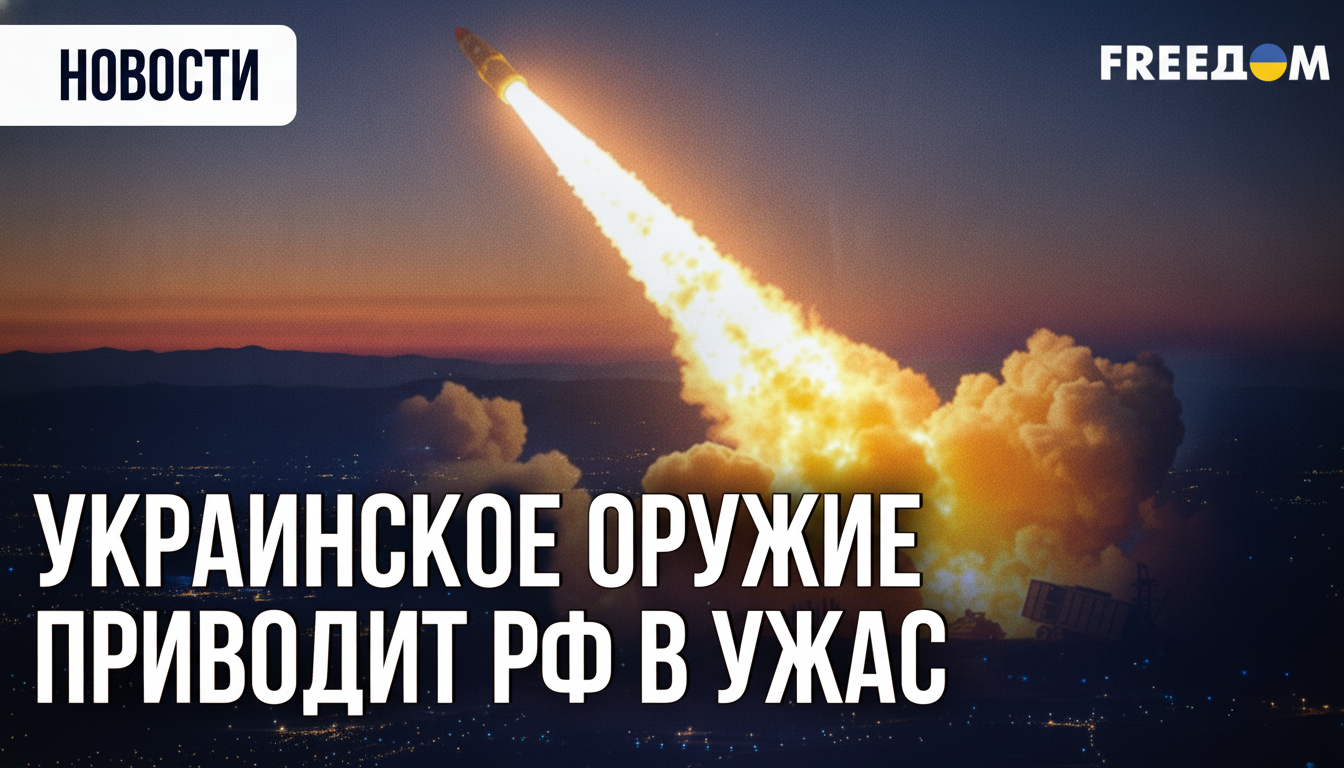
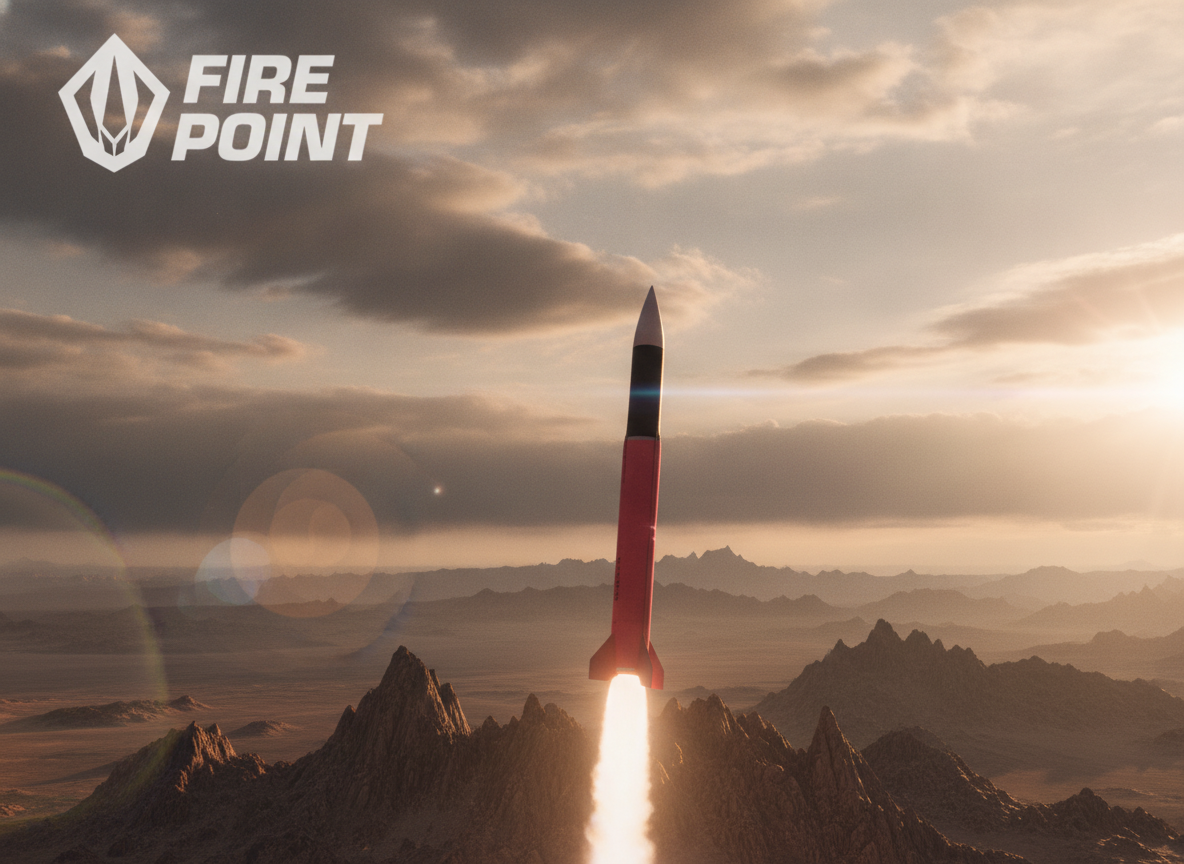
According to Espreso.tv: Aviation expert Valeriy Romanenko has provided details on the operational ranges of the FP-7, FP-9, and FP-5 missiles, along with the difficulties air defense systems face when trying to intercept ballistic projectiles. According to the expert, the FP-7 missile has a range of 100 km, while the FP-9 can travel up to 800 km. Among the missiles discussed, the FP-5 cruise missile boasts the greatest reach, capable of striking targets at distances of up to 2,000 km. For context, these missile types represent a spectrum of threats that modern air defense networks must address, from short-range to long-range capabilities.
Romanenko noted that the majority of FP-5 missiles, which are more challenging to intercept, are taken out by fighter-interceptor aircraft. Despite this, the latest versions of the S-300 system are capable of engaging ballistic missiles. However, the expert emphasized that the probability of successfully intercepting ballistic missiles is lower compared to cruise missiles or drones.
'Drones are engaged by Pantsir, Tor, Asa, and practically all S-300, S-350, S-400, and Buk systems,' — Valeriy Romanenko
He also stressed that 'ballistic missiles are much harder for air defense systems to intercept than cruise missiles or drones.' This information underscores the critical need for advancing and refining air defense systems to effectively respond to modern threats.
The Critical Role of a Robust Air Defense System
In the face of escalating military threats, particularly from ballistic missiles, having a reliable air defense system is of utmost importance. Understanding the different missile types and their ranges helps clarify the challenges defense forces must overcome.
- FP-7: range of 100 km
- FP-9: range up to 800 km
- FP-5: range up to 2,000 km
Continued technological progress and improvements to existing systems could significantly boost interception effectiveness, thereby reducing risks to civilians and infrastructure.
Read also
- New York Breaks Ground on 373-Meter Skyscraper: The Second World Trade Center
- NVIDIA Unveils DLSS 5: Three AI Models for Gaming, Launching This Fall
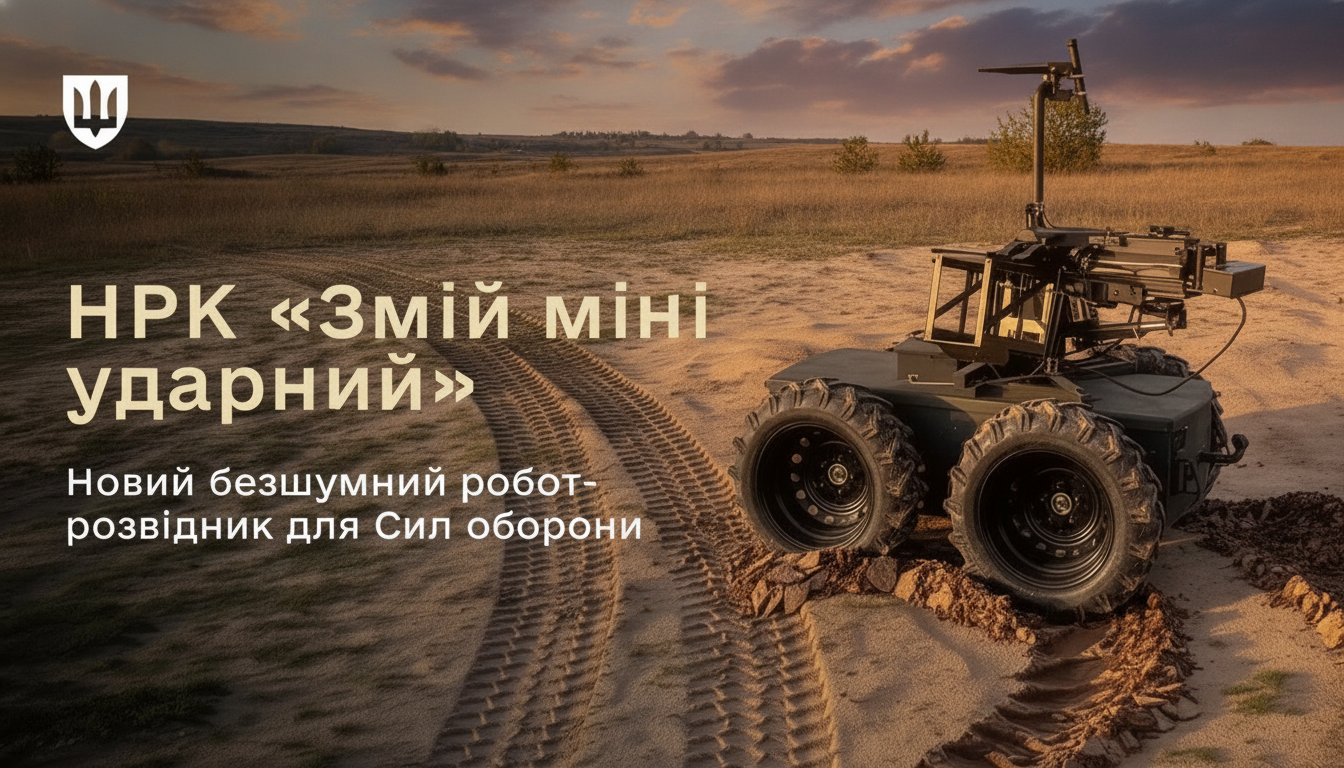
- Ukraine’s Defense Ministry Unveils New Robotic Combat System ‘Mini Strike Serpent’ – Key Details Inside
- Ukraine's Drone Forces Sink 183 Russian Shadow Fleet Vessels, Unleash New Missiles and Strike Crimea
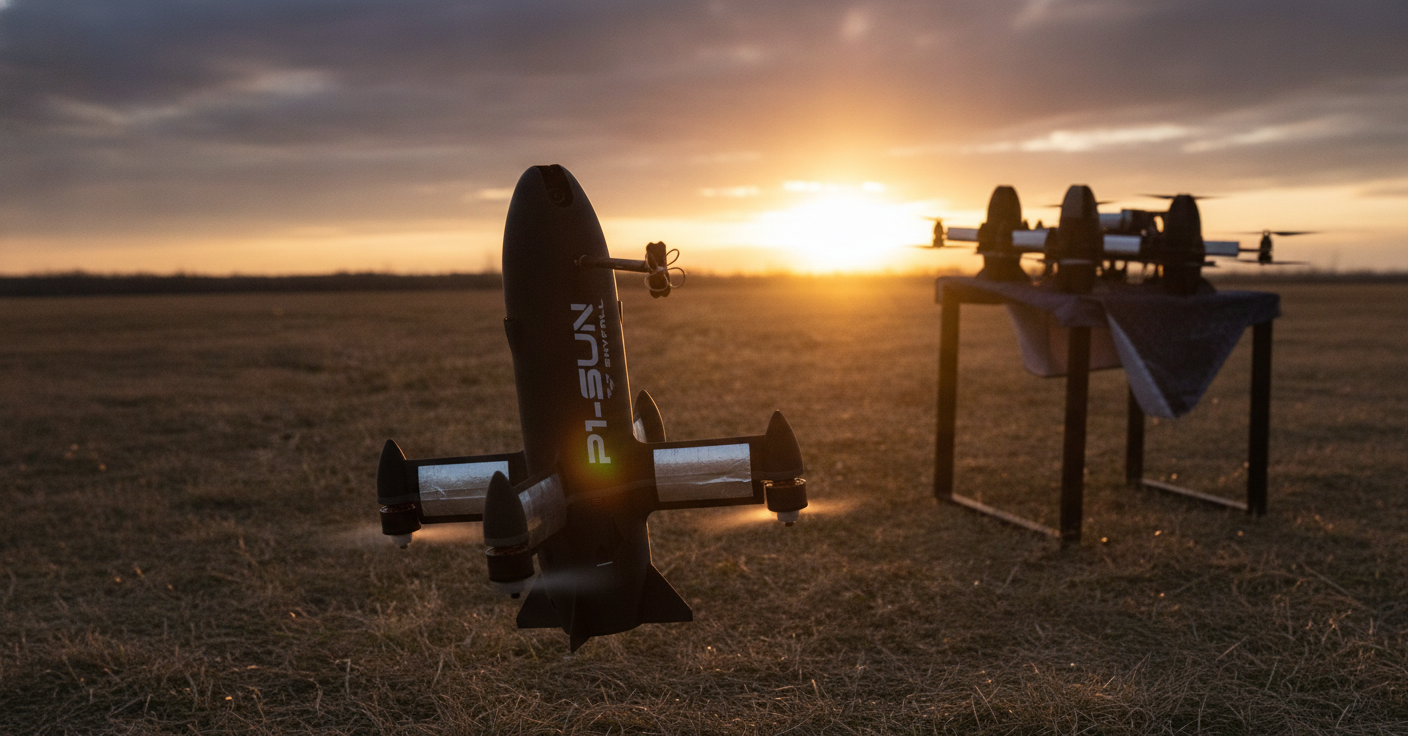
- Ukrainian Firm SkyFall Unveils P1-SUN Jetkiller Interceptor Drone: Key Details Emerge
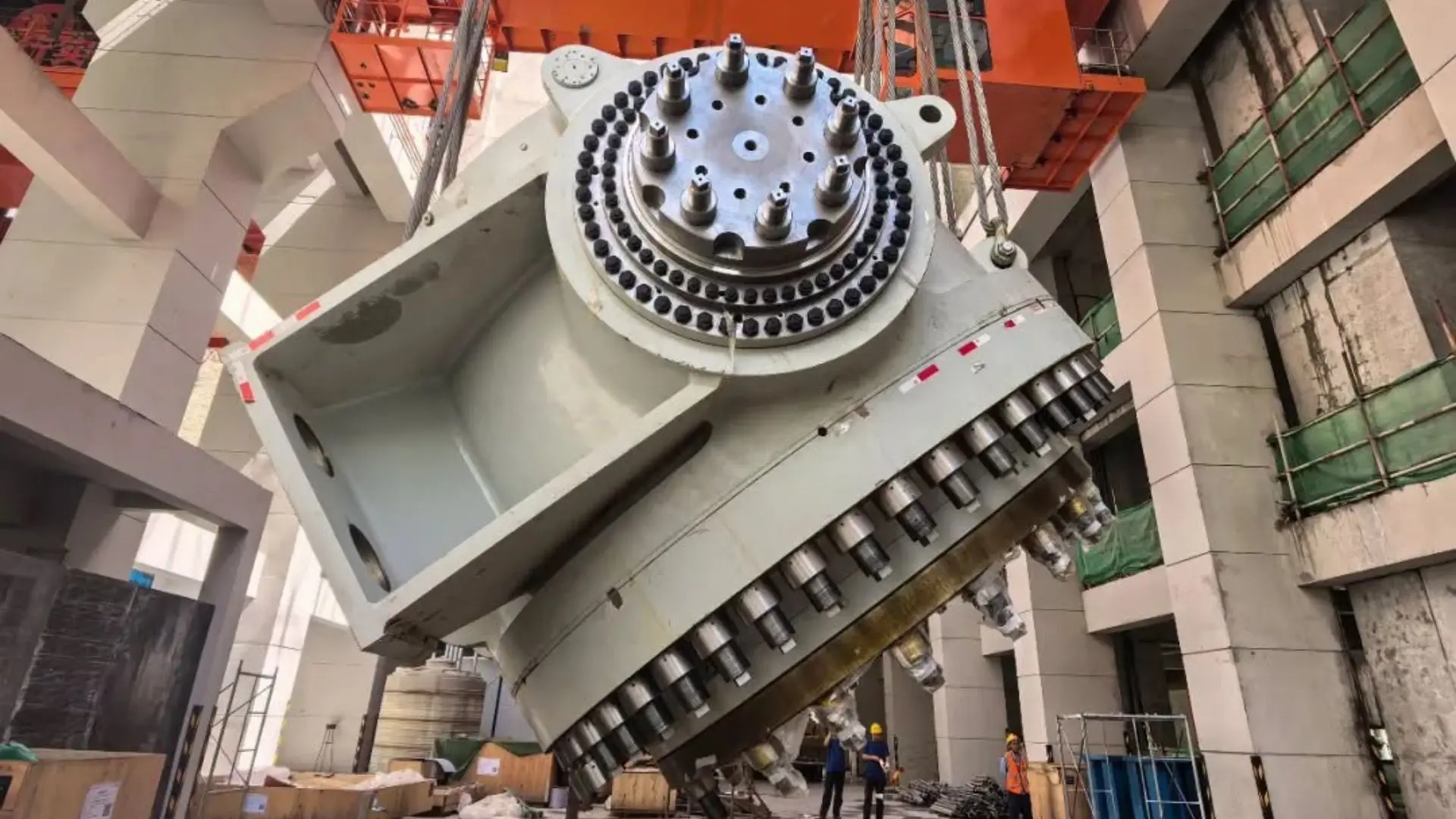
- World’s First 500 MW Impulse Hydropower Plant Under Construction in China: Trials Succeed