Ex-Ukraine Supreme Court Chief Knyazev Sentenced to 5 Years for Bribery: Assets Seized.

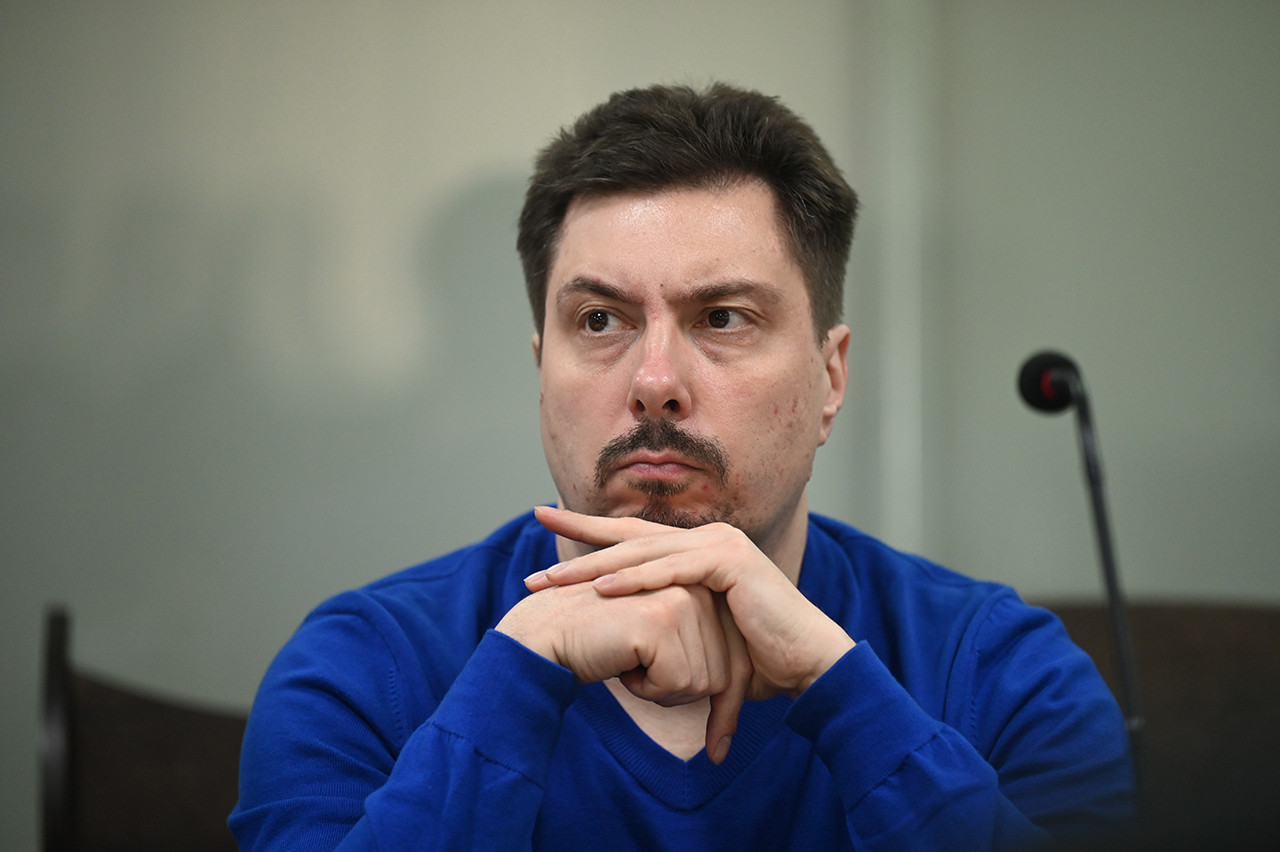
The Case of Vsevolod Knyazev
According to Espreso.tv: Vsevolod Knyazev, the former head of Ukraine's Supreme Court, has pleaded guilty to accepting an extraordinarily large bribe. The court sentenced him to five years in prison and ordered the confiscation of his property. In addition, Knyazev is banned from holding positions in judicial and law enforcement agencies for three years. This case marks a high-profile corruption conviction in Ukraine's ongoing anti-graft efforts.
Knyazev was exposed in May 2023. The court found him guilty under Article 368, Part 4 of Ukraine's Criminal Code. On May 15, 2023, the National Anti-Corruption Bureau of Ukraine (NABU) and the Specialized Anti-Corruption Prosecutor's Office (SAPO) uncovered a scheme to obtain illicit gains. The following day, May 16, 2023, Knyazev was detained. On May 17, 2023, the High Anti-Corruption Court rejected a complaint regarding his arrest.
During the investigation, on May 23, 2023, authorities seized nearly half a million US dollars. On May 31, 2023, the High Anti-Corruption Court dismissed an appeal to change Knyazev's preventive measure. On September 26, 2023, the court reduced his bail from 55 million to 45 million hryvnias. On November 2, 2023, the preventive measure was extended until February 2, 2024.
Subsequent Developments in the Case
Later, on March 12, 2024, the Kyiv Court of Appeal imposed a fine of 2,550 hryvnias. On April 4, 2024, the High Council of Justice suspended Knyazev from judicial duties. On June 17, 2024, a decision was made to dismiss him, and on August 28, 2024, an indictment in Knyazev's case was announced. Finally, on May 29, 2026, Knyazev admitted to receiving the bribe.
Thus, the case of Vsevolod Knyazev has become a significant milestone in the fight against corruption in Ukraine.
The former Supreme Court chief's guilty plea not only reflects the state of anti-corruption efforts in the country but may also serve as a deterrent for other officials, underscoring the inevitability of accountability for corrupt acts. This case also highlights the crucial work of anti-corruption agencies in detecting and investigating high-level corruption crimes.
Read also
- Ex-Chief Justice of Ukraine's Supreme Court Gets 5 Years in Bribery Case: Inside the Scheme and Deal