EU Aims for Total Ban on Russian Energy: Timelines for Ending Gas and Oil Imports.

The EU's Push for Energy Independence
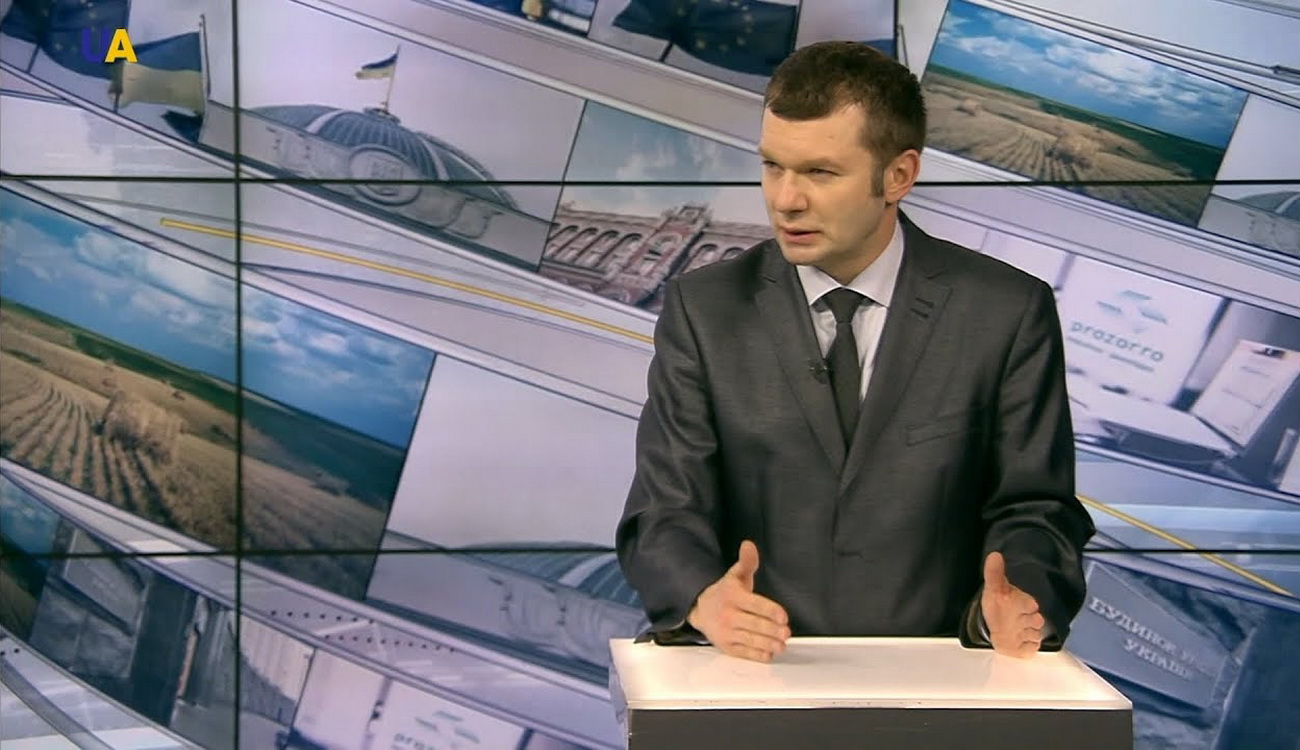
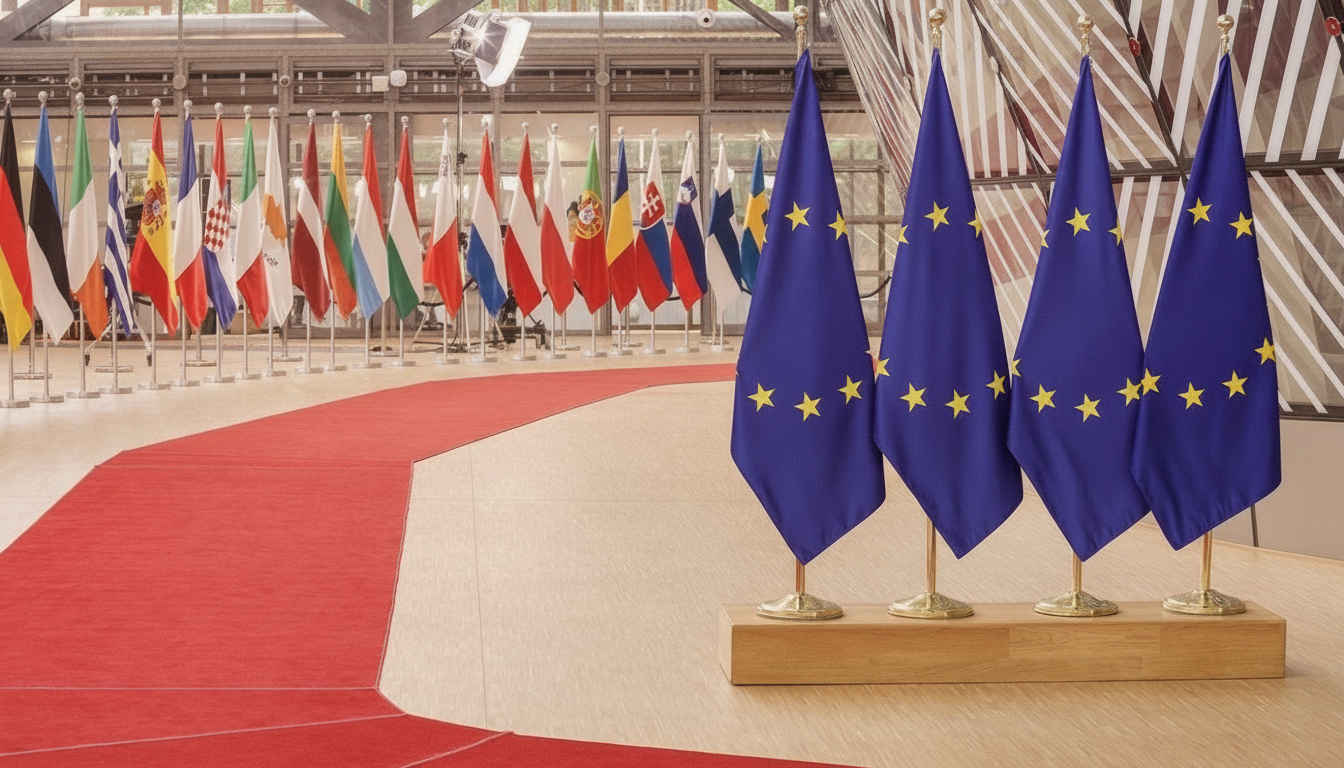
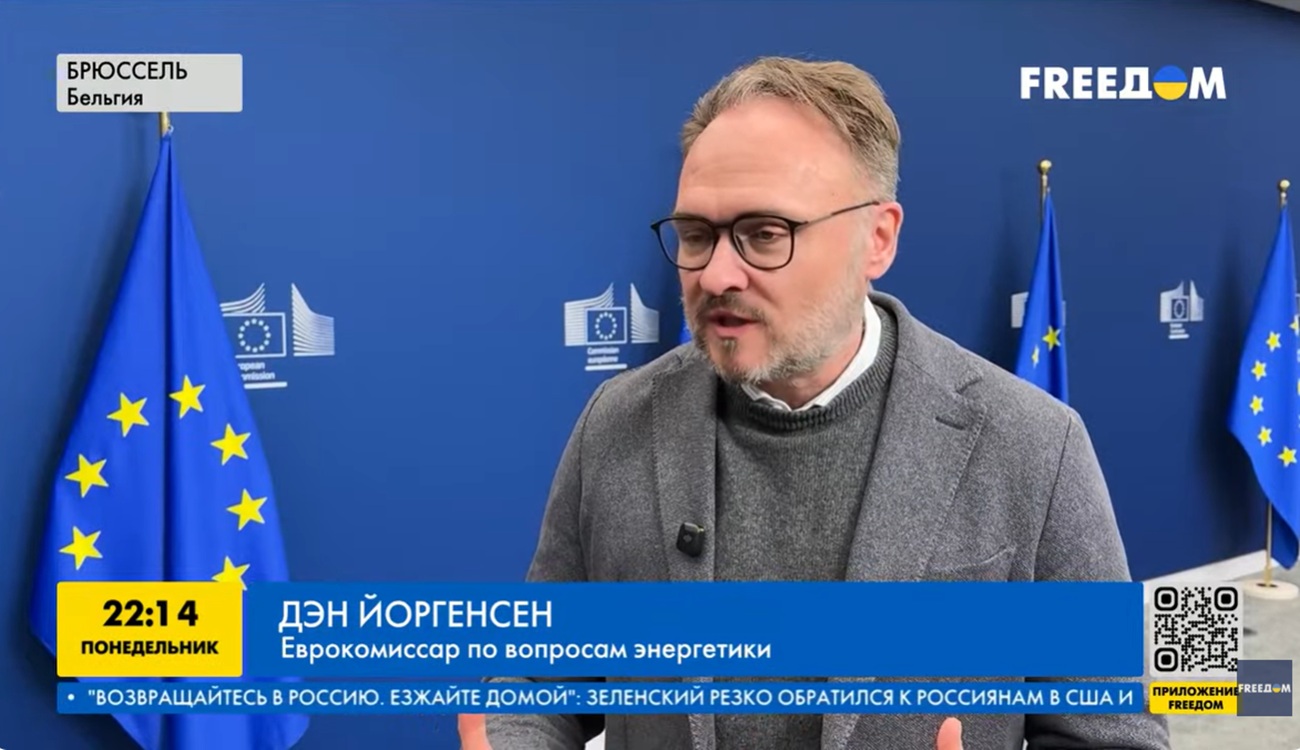
According to UATV: The European Union is actively formulating plans to completely end its reliance on Russian energy supplies. European Commissioner for Energy, Dan Jørgensen, has announced the bloc's intention to halt all imports of Russian oil and gas. According to Jørgensen, Europe is determined to cut off these energy sources to stop indirectly funding the war initiated by Russia. This move is part of a broader Western strategy to economically isolate Russia following its invasion of Ukraine.
The share of Russian gas in Europe has shifted dramatically, falling from 45% in 2021 to just over 10% today. This significant reduction highlights the EU's concerted efforts to wean itself off Russian energy. Under the current timeline, all imports of Russian liquefied natural gas (LNG) are set to be phased out by the end of 2023, with a complete halt to pipeline gas imports targeted for September 2024.
EU Sanctions and Energy Policy
Dan Jørgensen noted that the EU already has sanctions in place designed to stop Russian oil deliveries.
'We effectively have sanctions to stop Russian oil supplies to Europe. There are two countries that have exemptions from these sanctions. But I intend to bring forward a well-considered legislative proposal to stop that as well, so that in the future we are completely free of Russian oil.' - Dan Jørgensen
The Commissioner emphasized that the European Commission has clearly stated its goal of ending all imports of Russian energy. 'We can no longer indirectly finance the war by giving money to Putin for his energy needs. Therefore, this must stop as soon as possible,' Jørgensen added.
He also stated that even the current 10% share of gas supply from Russia is too high and must be eliminated:
- All LNG imports will be removed from the market by the end of this year.
- The remaining pipeline gas will be phased out by the end of next year.
Consequently, the European Union's strategy is focused on the total exclusion of Russian energy resources. This represents a major step in reducing dependence on Russia and supporting regional stability. The shift could also impact global energy markets, as the EU seeks alternative suppliers, potentially altering prices and supply chains worldwide. This drive for energy security and autonomy underscores the EU's strategic response to contemporary geopolitical challenges.
Read also
- EU Adopts 21st Sanctions Package Against Russia: What It Means for Oil and Banking
- Zelensky Warns of Black Sea Grain Corridor Blockade as Ukraine Calls UN Security Council Meeting
- EU sanctions on Russia slow down as member states prioritize economic interests
- A 35-Minute Manila Meeting Between Rubio and Lavrov Puts Ukraine War at the Center of Talks
- Latvia Moves to Ban Imports from Russia and Belarus: Here's What Will Be Blocked
- Poland Faces Thousands of Daily Cyberattacks from Russia, Deputy PM Calls It Hybrid Warfare