EU Prepares for Russian Threat: Which NATO Nations Are Most at Risk?.

EU Alarmed by Potential for Russian Incursion
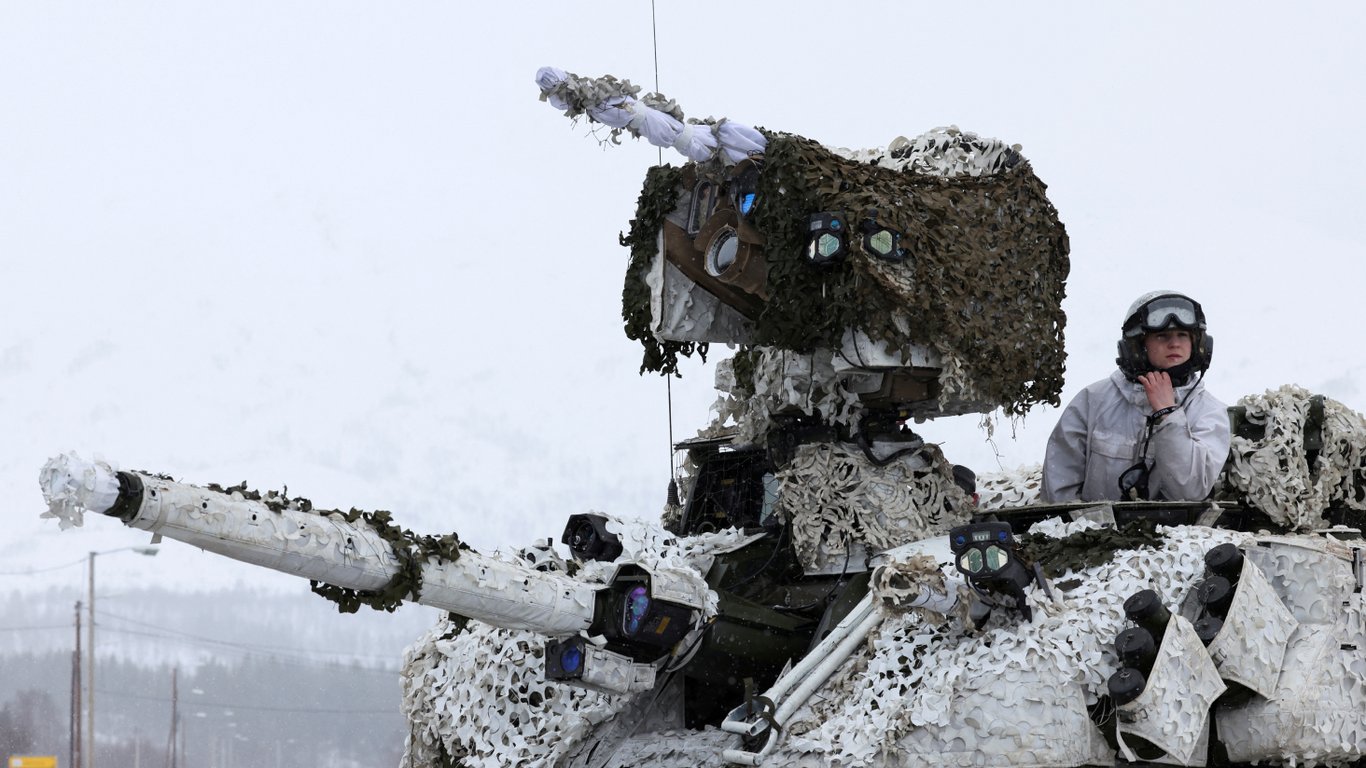
According to Novyny.live: The European Union is growing increasingly concerned about the potential for a Russian invasion of Baltic states and other NATO members. Western experts are actively modeling possible Russian attack scenarios, highlighting the vulnerability of European nations. Dutch Defense Minister Ruben Brekelmans noted that Russia is stockpiling strategic reserves and building up troops near NATO borders, causing alarm among allies. This heightened alert follows Russia's full-scale invasion of Ukraine, which shattered Europe's post-Cold War security assumptions.
Simulated Scenarios of Military Action
A war game simulating a Russian invasion of Lithuania was conducted in December 2025. According to this scenario, Russia could capture Marijampolė by the autumn of 2026, indicating the potential for active hostilities. The Lithuanian army currently numbers 17,000 personnel in peacetime, but this could increase to 58,000 following mobilization. In contrast, Russia has the capacity to deploy up to 200,000 soldiers to a new front, significantly raising the risks for neighboring countries.
Experts identify the following nations and territories as potential Russian targets:
- Lithuania
- Latvia
- Estonia
- Swedish, Finnish, and Danish islands
- Northern Norway
- Parts of Poland
Furthermore, critical infrastructure such as the Port of Rotterdam in the Netherlands could be attacked. Ruben Brekelmans emphasized that Russia could move large troop volumes within a year, further escalating the situation.
"Deterrence depends not only on military capabilities but also on what the adversary believes about our will to defend." — Franz-Stefan Gady
He stated that during military exercises, it was evident Germany would hesitate, and that hesitation alone could be enough to ensure a Russian victory. These factors underscore the urgent need for NATO nations to bolster their defensive capabilities in the face of Russia's growing threat. The alliance's credibility hinges on demonstrating a unified and resolute stance.
The surge in Russian military activity near NATO and Baltic borders underscores the necessity of strengthening the alliance's collective defense. Participants in the exercises and analysts agree the situation demands not just military measures but also strategic planning to prevent potential Russian aggression. Coordinated actions by allies could prove a decisive factor in deterring future threats to the region.
Read also
- Kremlin Targets 18,500 More Foreign Recruits as Russia Faces Critical Troop Shortage
- Ukrainian Forces Strike Russian Command Post and Oil Terminal: June 14 Attack Details
- 6,000 British Martlet Missiles Headed to Ukraine: How They’ll Take Down Russian Drones
- Strategic Russian Fuel Depot and Chemical Plant Hit in Drone Strikes
- Systematic Ukrainian Strikes Cripple Russian Military Logistics: Chongar Under Constant Attack
- Russian Claims of Encircling Kostiantynivka Are False: The City Holds Firm