EU Approves 20th Sanctions Package and €90 Billion Loan for Ukraine.

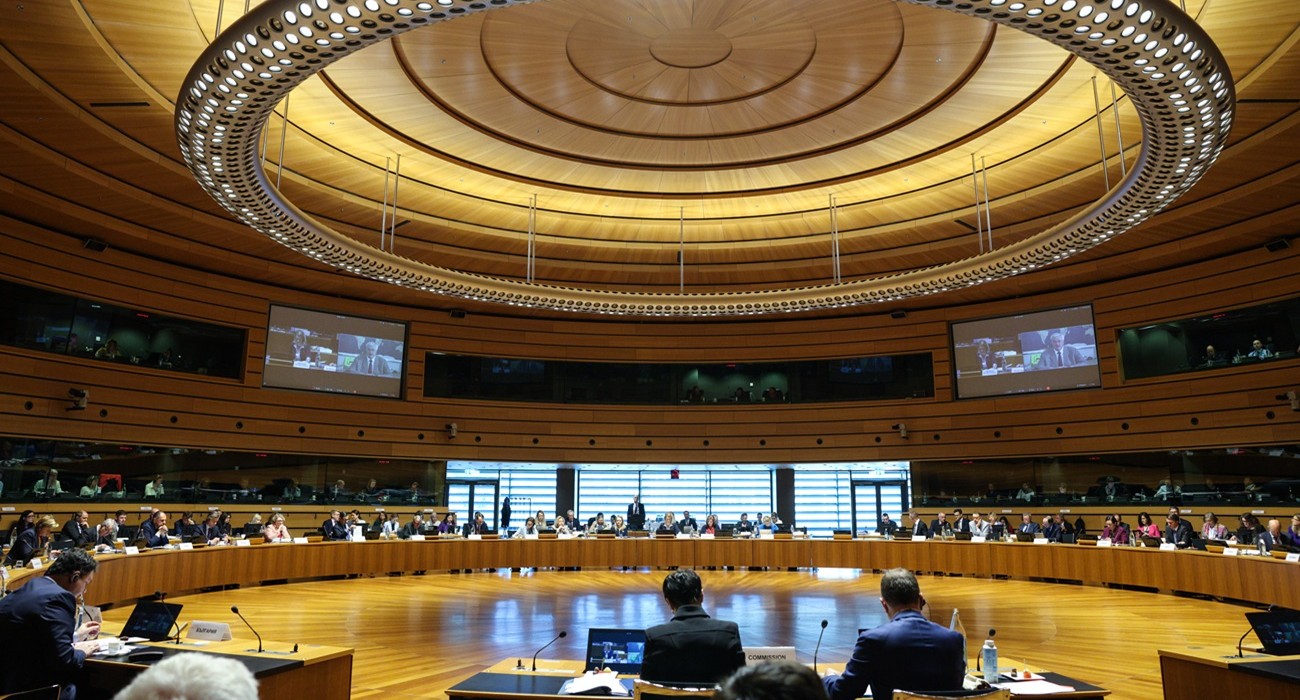
EU Foreign Ministers Council Meeting
According to UATV: On March 16, 2023, the Council of the European Union for Foreign Affairs convened to address Russia's aggression against Ukraine, potential travel bans for Russian citizens, continued support for Kyiv, and new restrictive measures against Moscow. A major topic was a €90 billion loan for Ukraine, part of a broader effort to sustain financial aid for the war-torn country.
During the session, the 20th sanctions package against Russia was unveiled, designed to intensify pressure on the aggressor. Ministers also raised concerns about Hungary's actions, with Kęstutis Budrys stating that Budapest
“is abusing its veto power regarding Ukraine.”This issue sparked unease among attendees, as such behavior could undermine EU unity in backing Ukraine.
Energy Discussions
Ukrainian Energy Minister Denys Shmyhal also participated in a separate EU energy ministers' meeting, where a ban on Russian energy imports was debated. Dan Jørgensen underscored the significance of this measure, remarking that
“we in Europe cannot directly help finance Russia's brutal, illegal war.”
Kaja Kallas stressed the need to keep Ukraine in focus, noting: “It is important that attention on the Middle East does not divert attention from Ukraine.” These remarks highlight that EU member states remain aware of the critical situation in Ukraine and the need for steadfast support in response to Russian aggression.
Overall, the March 16, 2023, EU Foreign Ministers Council meeting marked a key step in strengthening international backing for Ukraine and shaping new sanctions against Russia, underscoring European unity in countering aggression.
The gathering featured significant moves to support Ukraine and ramp up sanctions pressure on Russia. The €90 billion financial aid package and fresh sanctions could serve as vital tools in resisting Russian aggression. However, unity within the EU—especially regarding Hungary's actions—remains crucial for the effectiveness of these measures. The European community continues to show resolve in aiding Ukraine, mindful of global distractions and potential shifts in focus to other regions.
Read also
- New Ukrainian Government Appointed: Here Are the Ministers Who Got the Jobs
- Zelenskyy Unveils New Government: Key Appointments in the Koretskyi Cabinet
- Mykhailo Fedorov Removed as Defense Minister: A Look at the Ministry’s Leadership Since 2014
- Ukraine’s New Government Approved by Parliament: Here’s Who Makes Up Koretsky’s Cabinet
- New Ministerial Appointments Proposed: Serhiy Koretsky Submits Candidates to Parliament
- Ukraine’s Parliament Ratifies Free Trade Deal with Turkey: What It Means for Trade and Economy