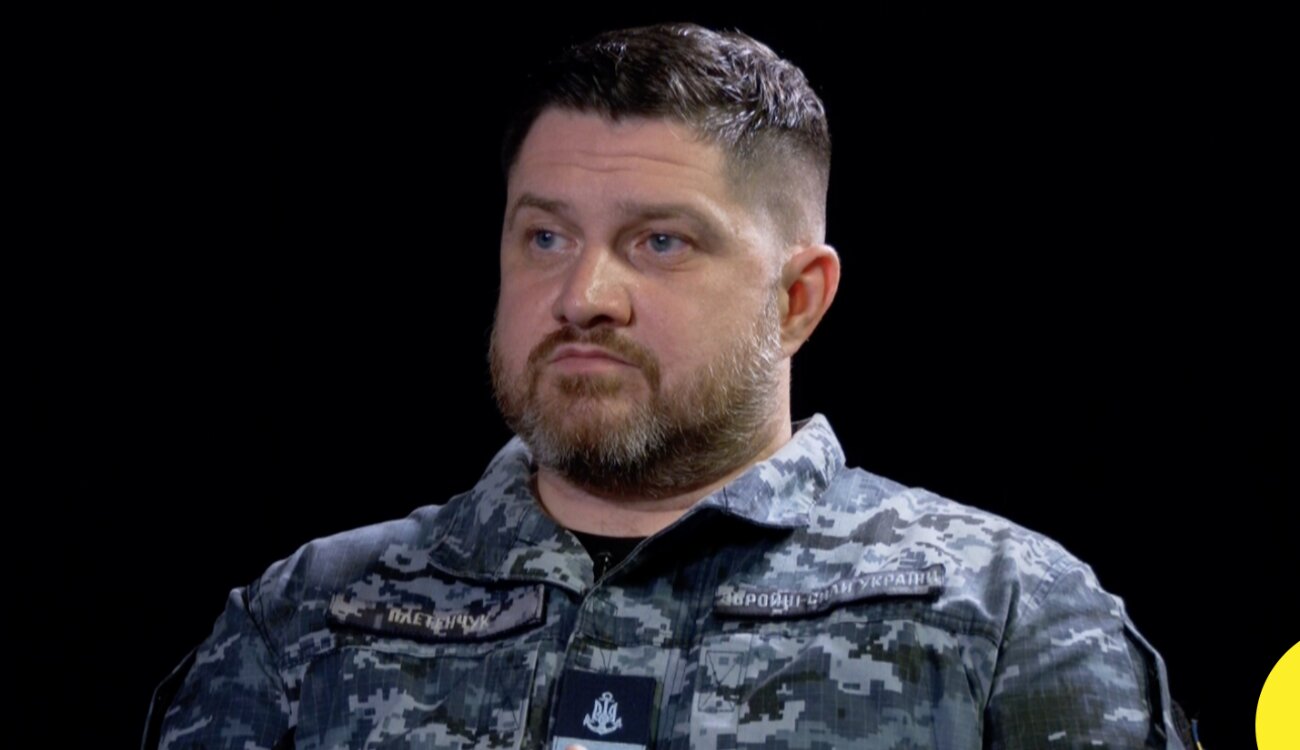
The EU approved a €90 billion loan for Ukraine: why Russian assets did not work.

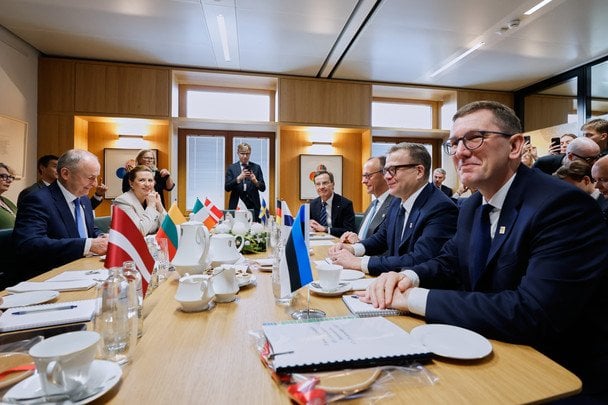
According to ТСН: Leaders of the European Union promised Ukraine a loan of €90 billion to meet urgent financial needs. However, they failed to reach an agreement on covering this loan from frozen Russian assets.
Negotiations among EU leaders to unblock Russian assets continued until the morning of December 19 and ended shortly before three o'clock in the morning. Belgium expressed objections, stating that most assets are held in the Brussels clearing house, making them legally vulnerable to possible reprisals from Russia.
However, with the support of other countries, including Italy, the Belgians proposed an alternative plan — jointly raising an interest-free loan of €90 billion, which will be taken from unspent EU budget funds. This will allow for a more even distribution of financial responsibility among member states, although three countries — Hungary, Czech Republic, and Slovakia — will not participate in the agreement.
Ukraine will need to repay the loan; however, no repayment dates have been set — only through possible reparations agreed with Russia. In turn, the EU has the right to use frozen assets if no agreement on reparations is reached between Ukraine and the Russian Federation.
“But Ukraine has its own money. However, the disagreements in Europe will not go unnoticed in Moscow, which will conclude that its threats regarding Europe have ultimately been justified,” summarizes Sky News.
Many EU leaders sought to secure a loan for Kyiv backed by frozen Russian assets amounting to €210 billion. However, plans failed due to Belgium's demands, which controls 88% of Russian funds in the EU, to obtain budgetary guarantees from other member states in case Moscow wins in the compensation lawsuit.
German Chancellor Friedrich Merz and other proponents of the plan noted that financing Ukraine from the EU budget is impossible due to the requirement of unanimity. However, three governments (Hungary, Slovakia, and the Czech Republic) were willing to agree to use the EU budget for financing, provided they are not required to participate in loan guarantees.
It was also revealed that the European Union decided to allocate €90 billion to support Ukraine in 2026-2027. Funding will be provided in the form of an interest-free loan to meet Ukraine's military and budgetary needs over two years.
German Chancellor Friedrich Merz confirmed that the funds will be available as early as the beginning of 2026 and noted that frozen Russian assets in Europe will be used to repay the loan if Russia does not voluntarily come to a decision after the war.
This situation highlights the complex financial relations between the EU and Ukraine amidst a prolonged war and creates new challenges for ensuring stability in the region. At the same time, the decision to grant an interest-free loan may become an important step in supporting the Ukrainian economy, which is suffering from the consequences of hostilities.
Read also
- Concrete fortifications and anti-tank ditches: Ukraine reinforces its border with Belarus
- Moldova and Romania Outraged by German Ambassador’s Remarks on Language and Religion
- Protests Erupt as Defense Minister Fedorov Resigns: Military and Public Push Back
- Germany Raises Threat Level to 'High' and Launches Joint Nuclear Drills with France
- Ukraine’s Ombudsman Calls for Mobilization Overhaul, Warns Impunity at Recruitment Centers Is Radically Polarizing Society
- Ukrainian Forces Shift the Naval Balance: Pletenchuk on Strikes Against Russian Ships