Hungary and Slovakia Block EU's 20th Sanctions Package Against Russia.

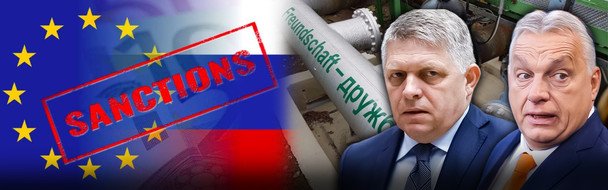
EU's New Sanctions Package Against Russia
According to TSN.ua: The European Union has agreed on a new, 20th package of sanctions targeting Russia, which includes a ban on providing maritime services for the export of Russian crude oil. However, the implementation of this sanctions package has been vetoed by Hungary and Slovakia. This move is linked to the halt of the 'Druzhba' oil pipeline, which was damaged by a Russian missile and drone strike on January 27.
Hungary's Political Stance
Hungary and Slovakia have also suspended diesel fuel supplies to Ukraine, though Budapest has not stopped electricity exports. Ukraine's Foreign Minister, Andrii Sybiha, has called on Hungary to address Russia directly regarding the situation. Under the leadership of Prime Minister Viktor Orban, who has held power for 16 years, Hungary has also blocked a €90 billion EU loan for Ukraine. Parliamentary elections in Hungary are scheduled for April 12.
Polls show a 20% gap between Orban's ruling Fidesz party and the opposition Tisza party led by Péter Magyar. Hungarian officials emphasize that their dispute is not with the people of Ukraine but with the Ukrainian state.
"Hungary does not want to harm the Hungarians of Zakarpattia," noted Péter Szijjártó.These developments highlight the complex political dynamics in Central Europe, which are significantly impacting Ukraine's energy security. The veto from Hungary and Slovakia underscores the internal political and economic pressures these EU members face in responding to Russian aggression, revealing a split within the bloc.
The situation surrounding the Druzhba pipeline and the suspension of energy resource supplies threatens the energy stability of Ukraine and the wider region. The upcoming election campaign in Hungary may further influence the country's foreign policy as politicians balance national interests with EU commitments. Consequently, these events could have long-term implications for energy security and political stability in Central and Eastern Europe.
Read also
- Positive Signals Emerge for Ukraine-Hungary Normalization After Zelenskyy-Orbán Meeting Announcement
- Hungary Probes Orbán Officials Over Alleged Misuse of €10 Billion in EU Funds
- Hungary Faces Potential Prosecution of Top Officials from Orbán Era, Integrity Chief Declares
- Orban Ordered the Seizure of an Oschadbank Convoy: What We Know About the Armed Operation in Hungary
- Orban Personally Led a Raid on Oschadbank Armored Vehicles: What We Know
- Immunity in Exchange for a UN Post: Orbán’s Potential Appointment Sparks Questions