Hungary's Ruling Party Deploys AI-Generated Execution Video to Intimidate Voters.

Fidesz Party's AI Video Controversy
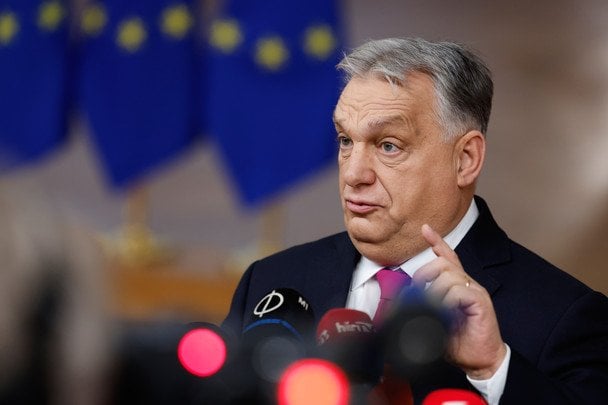
According to TSN.ua: Hungary's ruling Fidesz party, led by Prime Minister Viktor Orbán, has released a video generated by artificial intelligence. The disturbing footage depicts the execution of prisoners of war and is intended to frighten voters ahead of the parliamentary elections scheduled for April 12. The publication of this content has provoked outrage among opposition parties and the wider public.
Opposition Condemnation
Péter Magyar, leader of the opposition Tisza party, strongly criticized the video, stating:
“Using children, executions, and fear-mongering is not politics; it is soulless manipulation.” - Péter Magyar
He also expressed his disgust at Orbán's actions, declaring:
“Shame on you, Viktor Orbán!” - Péter Magyar
In response to the criticism, Gergely Gulyás, the head of Orbán's cabinet office, defended the video. He stressed that over a thousand people are killed or wounded daily in the conflict in Ukraine, a reality which he believes justifies this form of political communication.
This incident has sparked a broad public debate, as the use of artificial intelligence to create intimidating content raises serious ethical questions for political campaigning. With the parliamentary elections approaching, Fidesz's actions could have significant consequences for Hungary's electoral process. The use of AI in political campaigns presents novel ethical challenges, as the technology can be exploited to manipulate voters' perceptions. The opposition's reaction highlights growing concerns over how politicians may leverage fear and emotion to achieve their goals, potentially impacting voter behavior and public trust in Hungary's political institutions. Given the country's tense political climate, it is crucial to monitor how this situation develops and how voters respond to such manipulative tactics.
Read also
- Orban Ordered the Seizure of an Oschadbank Convoy: What We Know About the Armed Operation in Hungary
- Orban Personally Led a Raid on Oschadbank Armored Vehicles: What We Know
- Immunity in Exchange for a UN Post: Orbán’s Potential Appointment Sparks Questions
- Hungary Presents 11 Demands to Ukraine: Madjar Sets Conditions for Meeting with Zelenskyy
- June 16 Marks the Start of Ukraine's First EU Accession Negotiation Cluster
- Hungary Accuses Ukraine of Targeting TurkStream Pipeline: The Threat to Regional Energy Stability